Galleries, architecture & garden
90–150 min
Time for a considered look at selected exhibitions, followed by the canopy and nearby garden paths.
Modern & contemporary art centre · Gulbenkian gardens
Centro de Arte Moderna Gulbenkian
Modern Portuguese art, a sweeping timber canopy and garden paths that make the setting part of the visit.
At a glance
90–150 min
Time for a considered look at selected exhibitions, followed by the canopy and nearby garden paths.
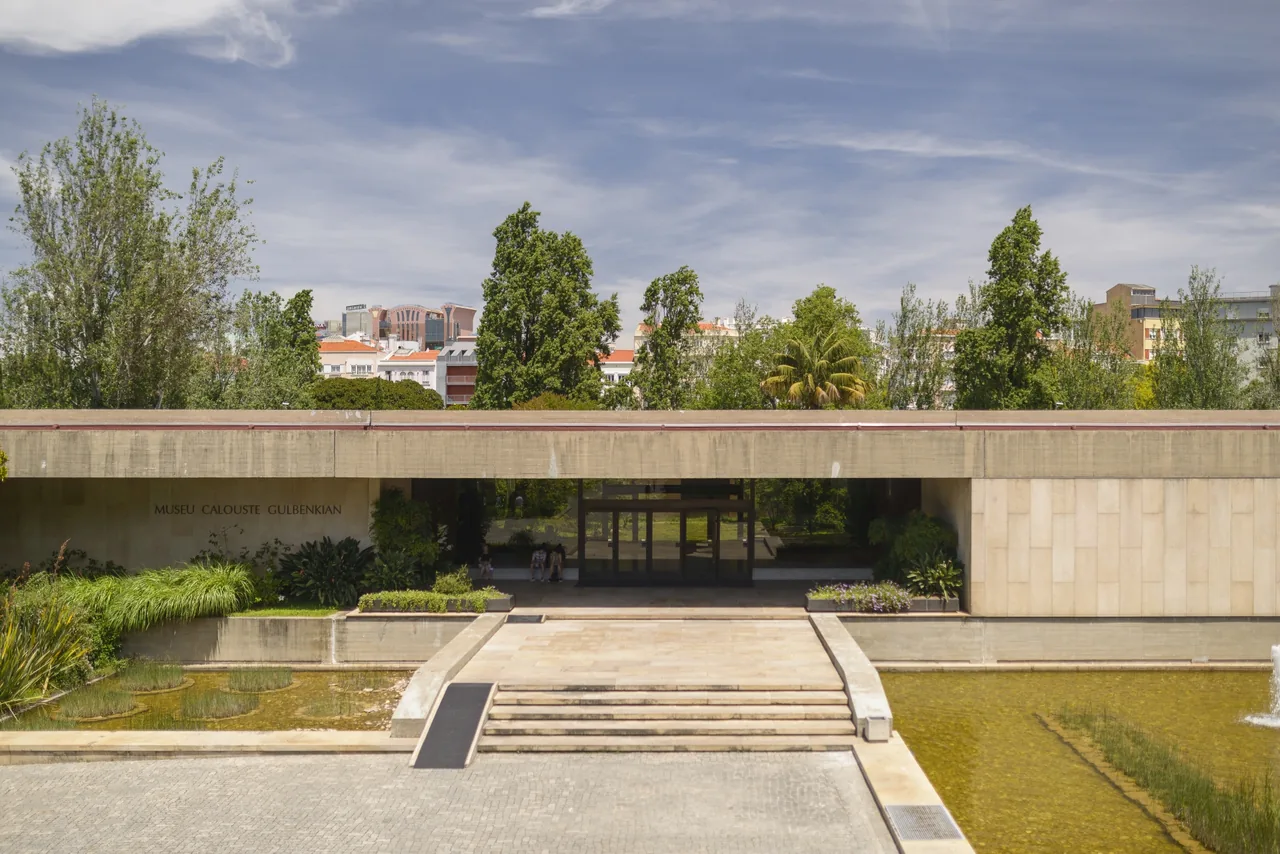
Photographs


What to see
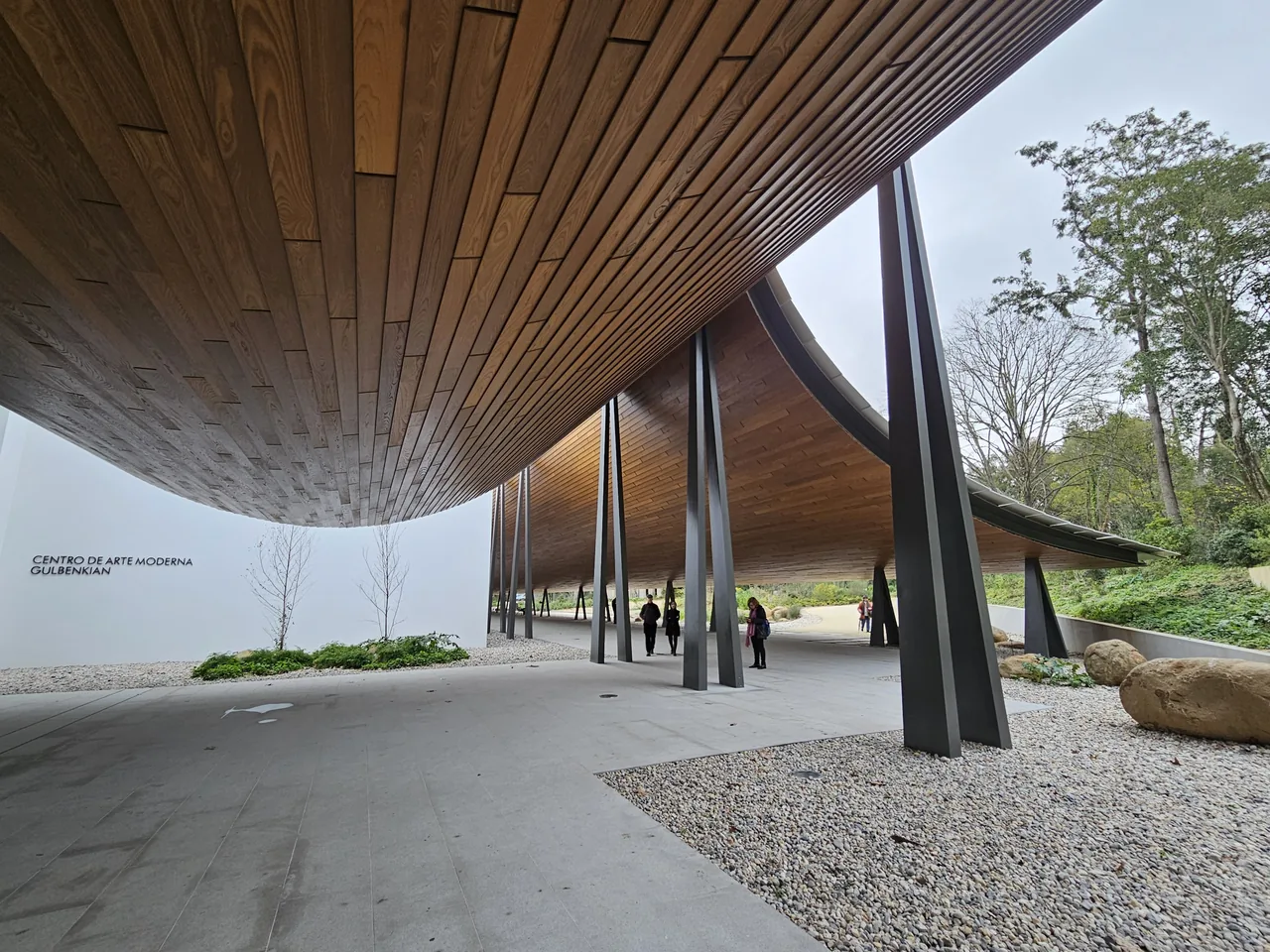
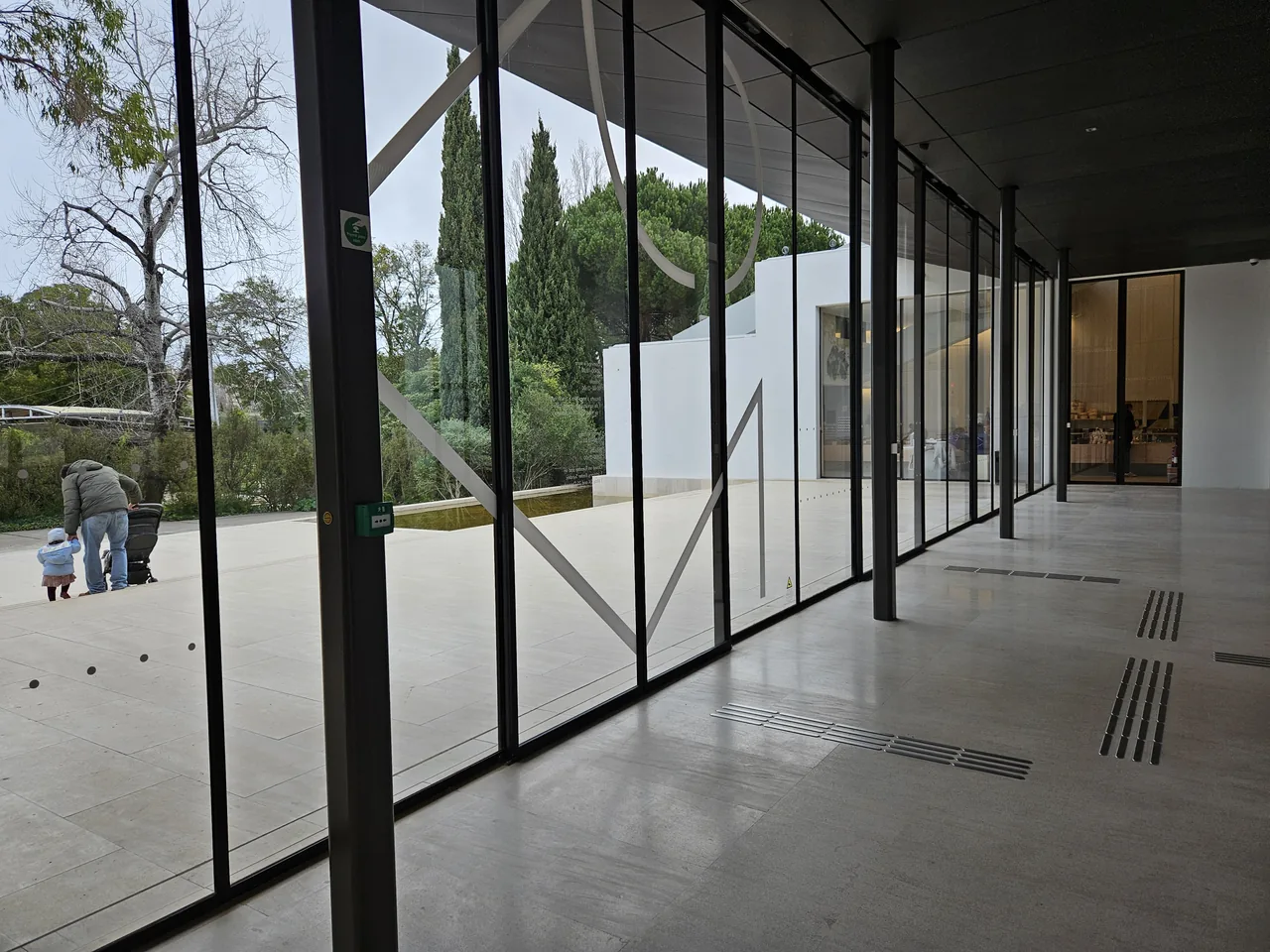
At the Gulbenkian Modern Art Centre, leave time for the approach. A broad canopy curves beside the building, drawing your eye along its timber underside and out towards the garden. Inside, CAM offers a route into modern and contemporary art with a strong Portuguese focus. The galleries and the architecture deserve attention in equal measure.
For visitors who know the big international names but little Portuguese art, this is an opportunity to widen the picture. The collection brings together different generations, media and artistic concerns. You do not need to recognise every artist to find something absorbing: a painting’s construction, a photograph’s viewpoint or the movement of an installation can give you a way in.
CAM is a good choice for art lovers, architecture enthusiasts and curious visitors willing to meet unfamiliar work on its own terms. It also suits a day when you want to alternate concentrated looking with time outdoors. Allow a separate visit for the Gulbenkian Museum, which houses the founder’s historical collection elsewhere in the grounds.
Look closer
Walk beneath the long roof and look along its changing curve. The architect drew on the Japanese engawa, a sheltered space between a building and its garden. Here that idea is large enough to shape the whole approach. Notice the difference between the warm timber underneath, the ceramic covering and the planting alongside it.
CAM’s holdings include artists such as Amadeo de Souza-Cardoso, Almada Negreiros, Vieira da Silva and Paula Rego. A collection list is not a fixed display, so use the gallery introductions to understand the selection in front of you. Look for connections between works before trying to memorise names or movements.
Modern art is not confined to a sequence of paintings. Depending on the exhibition, a visit may bring together sculpture, photography, film and installation. Give each medium its own time. A moving-image work will reveal little if you pass it at walking speed; a sculpture may make more sense when seen from another side.
Step outside before your attention begins to flag. Following a path through the planting gives you a different view of the roof and the building’s scale. The garden is a worthwhile part of the outing, not merely the route to the exit. It also provides a welcome interval if you plan to visit another collection.
The visitor perspective
The building makes a strong impression in recent visitor accounts. Even reviewers who feel less connection with the exhibitions single out the architecture, while more enthusiastic visitors enjoy the combination of art and setting. The gardens help make the visit feel like a fuller outing than time spent solely inside a gallery.
Responses to the work itself vary. Some visitors enjoy the installations and the opportunity to discover artists; others find particular pieces difficult to engage with. That difference in taste matters more here than a simple list of famous names. Look at the programme with your own interests in mind.
Keep time for both the galleries and the grounds. The accounts suggest that the building should be experienced as part of the visit, rather than treated as a container for the collection. If one exhibition leaves you unmoved, a slower look at the architecture may still make the outing worthwhile.
Visitor feedback reviewed:
The story
The Calouste Gulbenkian Foundation began acquiring twentieth-century works in 1958. When CAM opened in 1983, it gave that growing collection a dedicated home. Its emphasis on Portuguese art developed alongside international connections, including the experience of artists who travelled and worked abroad with foundation support.
The centre occupies a different place in the foundation’s story from the museum of Calouste Gulbenkian’s own collection. The founder assembled historical works across many cultures and centuries. CAM’s collection developed through the foundation’s continuing engagement with artists and the changing art of their time.
A major transformation completed in 2024 reworked the building and its relationship with the garden. Kengo Kuma’s architectural project and Vladimir Djurovic’s landscape design made the southern approach more open and inviting. The canopy is the most recognisable gesture, but its purpose becomes clearer as you move between interior, shelter and planting.
Planning your visit
For current opening hours and ticket details, visit the official website.
Official visitor information ↗The area
CAM stands in the southern part of the Gulbenkian grounds, with an entrance from Rua Marquês de Fronteira. São Sebastião is a useful metro stop for approaching from this side. The paths connect it with the wider garden and the separate Gulbenkian Museum. Check which building you want before setting off across the grounds.
 Open map
Questions about this place
No. They are separate institutions within the same grounds. CAM focuses on modern and contemporary art. The Gulbenkian Museum presents the founder’s historical collection.
CAM has works by Paula Rego in its collection, but ownership does not guarantee that a particular painting is on display. If one work is essential to your visit, confirm its availability with the centre.
The building and garden form a strong architectural visit. Walk along the canopy and look back from the planted areas. You will appreciate the project more fully if you also explore the public interior spaces.
Around 90 minutes to two and a half hours allows for selected galleries and the setting. Art enthusiasts who want to watch films or examine several exhibitions may need longer.
More of Lisbon
Visitar editorial team
Based on official visitor information, historical and collection records, and a sample of individual traveller reviews.
Visit times are estimates. The guide is based on published sources; it does not include an on-site inspection. Photographs come from credited sources and may show earlier displays or arrangements.
Content reviewed: · Visitar.com
Image resized for display; full source and licence linked.