The garden & three growing environments
60–90 min
An unhurried circuit of the shaded garden, ponds and warmer and drier plant collections.
Botanical garden & glasshouses · Parque Eduardo VII
Estufa Fria de Lisboa
Leave the formal lawns of Eduardo VII behind for winding paths, water and dense planting beneath a lattice of shade.
At a glance
60–90 min
An unhurried circuit of the shaded garden, ponds and warmer and drier plant collections.
Photographs


What to see
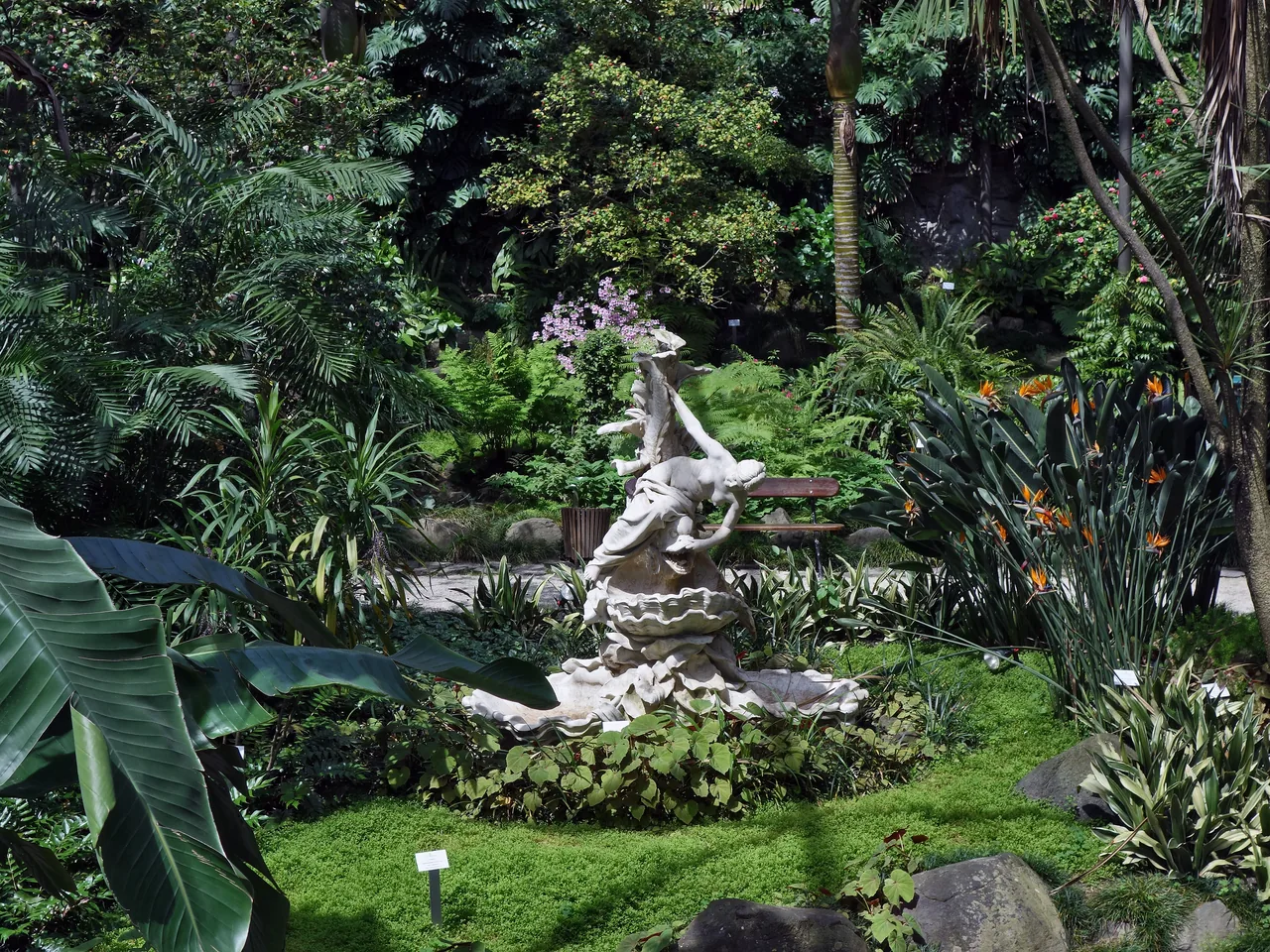
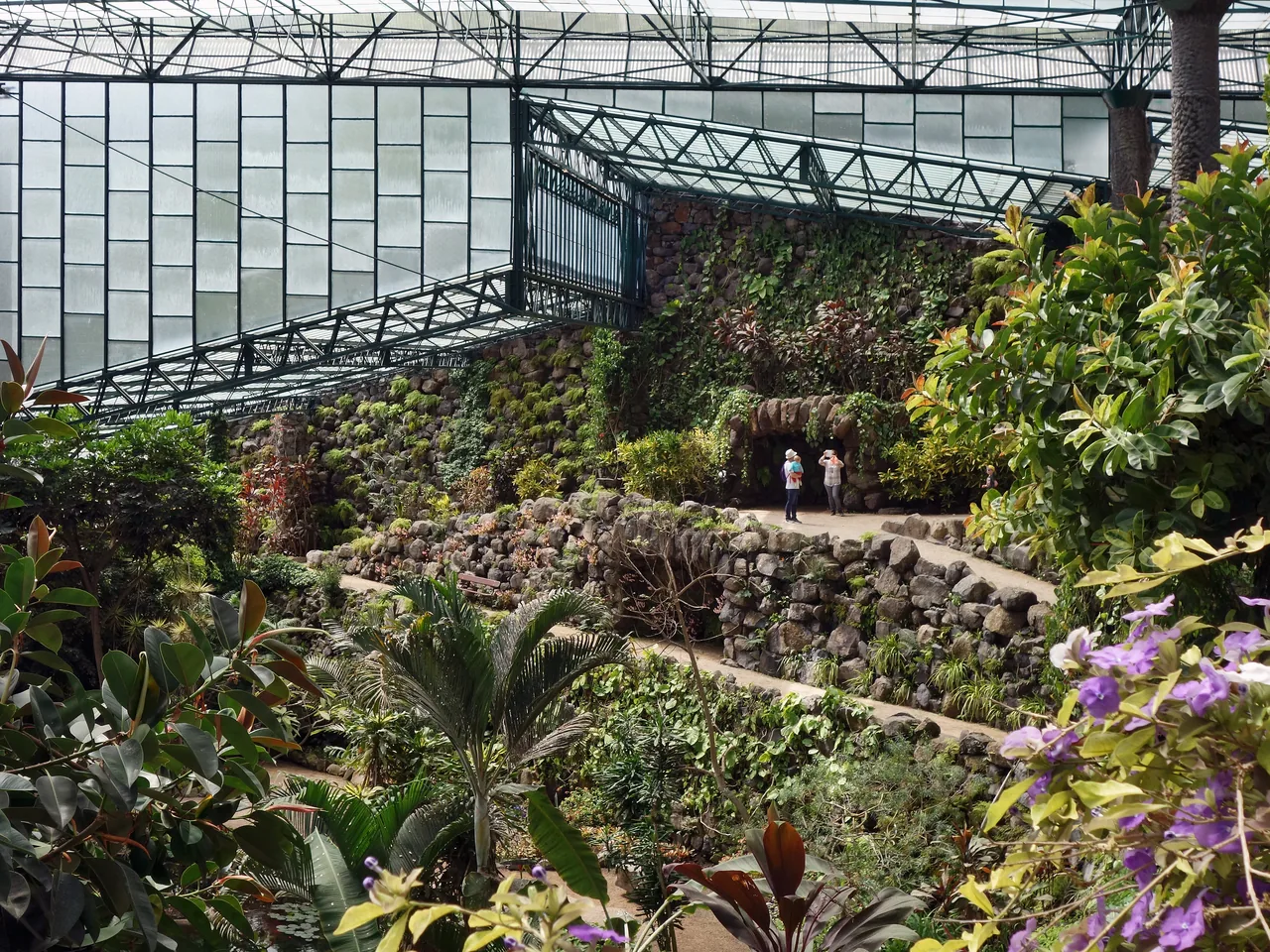
Estufa Fria is tucked into the western side of Parque Eduardo VII, but feels quite separate from the broad lawns outside. Paths lead between thick planting, rockwork and ponds, while the roof filters the light into the garden below. The pleasure is in following the smaller paths, pausing by the water and looking up through the leaves.
The name covers a complex of three growing environments. The large cold house provides shade without turning the garden into a sealed indoor room; warmer and drier sections support different plants under glass. Moving between them makes the contrasts easy to notice, even if you cannot name a single species.
Garden lovers will find plenty to examine, but the appeal is not purely botanical. Photographers, families who enjoy exploring paths and anyone wanting a change from busy streets can enjoy the setting. Treat it as a garden in its own right, rather than a quick look inside a greenhouse while crossing the park.
Look closer
Look upwards as well as through the planting. The slatted covering moderates the sunlight while leaving the garden connected to the weather outside. Beneath it, broad leaves and taller plants overlap at different heights. The effect is particularly attractive when light catches one layer of foliage while the rest remains in shade.
The garden occupies an old quarry site, and its paths make use of changes in level and pockets of space. Ponds, small water features and rockwork interrupt the planting. Resist the urge to choose the quickest route through. A side path or a different angle can reveal a view you missed only a few steps earlier.
Estufa Quente creates a warmer, more humid environment for tropical plants. Compare the shapes and scale of the leaves with what you have just seen in the cold house. The difference is something you can feel as well as observe, which makes this a useful place to explain to children why plants need particular conditions.
Estufa Doce is the drier section, with cacti, succulents and other plants adapted to limited water. After the dense greenery elsewhere, their compact forms and protective surfaces become more noticeable. Look at how differently plants solve the same problem of surviving in their surroundings.
The visitor perspective
Visitors frequently describe the pleasure of finding such dense greenery within the city. The paths, water and changes between growing environments feature strongly in the accounts we read. Several people were surprised by how much there was to explore, with the garden becoming a longer and more absorbing stop than they had expected.
The appeal is as much the setting as the individual plants. Reviewers mention wandering between levels, finding small corners and taking time beside the water. Those looking for a straightforward indoor attraction should understand that the main garden is only partly sheltered.
Allow enough time to explore all three environments. The accounts that convey the most enjoyment tend to describe a leisurely visit, with room for photographs or a pause. Estufa Fria works well as a deliberate change of pace after the more exposed walks and busy streets nearby.
Visitor feedback reviewed:
The story
Before there was a garden here, the site was worked as a basalt quarry. Water from natural springs eventually made extraction impractical. Municipal gardeners later used the sheltered ground to acclimatise plants intended for Avenida da Liberdade, and the planting gradually established itself.
The garden developed through the early twentieth century and opened to the public in 1933, following a project by the architect and painter Raul Carapinha. Its unusual origins help explain the enclosed setting and the importance of water: the conditions that made the quarry difficult were useful to a garden.
Later work connected Estufa Fria more closely with the redesigned Parque Eduardo VII. The warmer and drier glasshouses were added in 1975, expanding the range of plants that could be grown. The result is a collection of contrasting environments rather than one uniform conservatory.
Planning your visit
For current opening hours and ticket details, visit the official website.
Official visitor information ↗The area
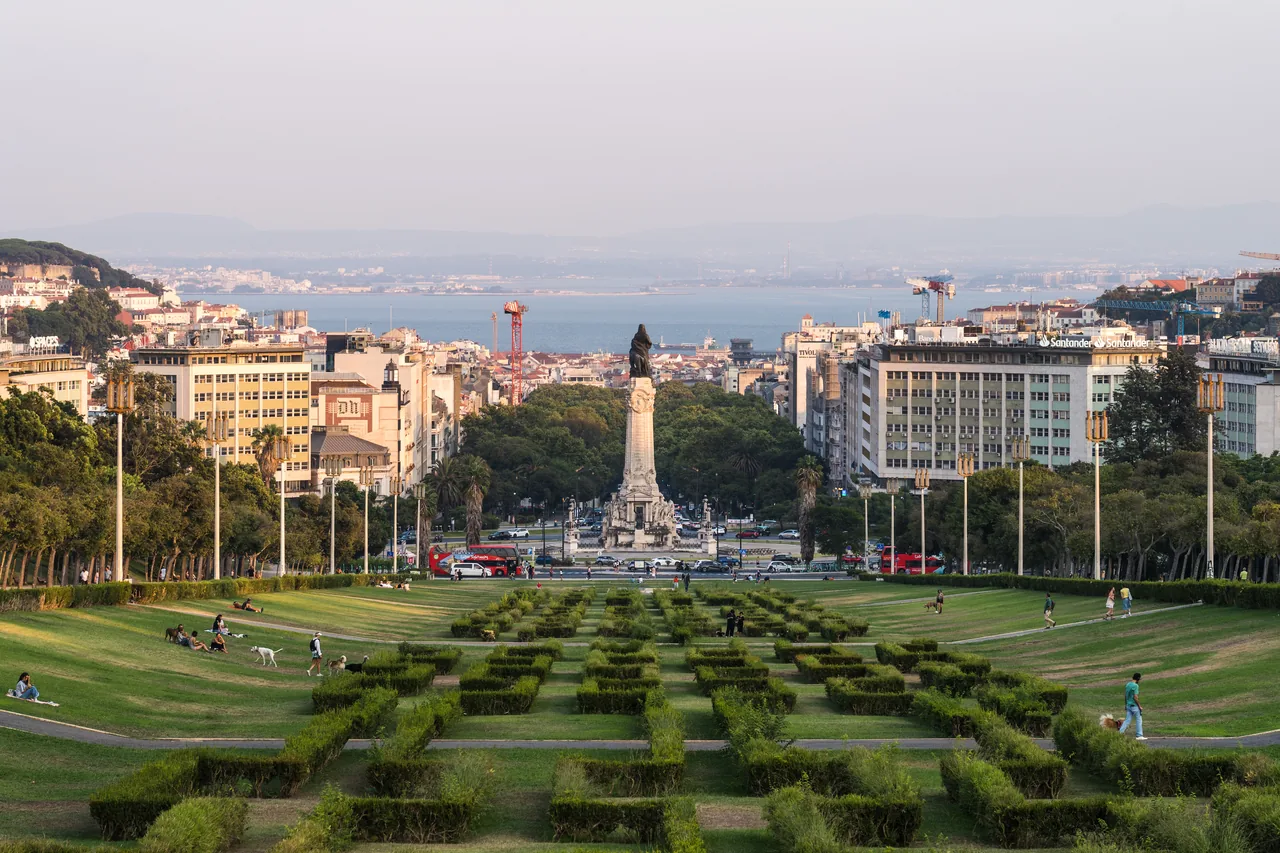
Estufa Fria lies on the western side of Parque Eduardo VII, below the upper viewpoint and within walking distance of Marquês de Pombal. The two places combine well, but offer different experiences: open formal gardens and a long city view outside, dense planting and enclosed paths within. Leave enough time to enjoy the contrast.
This is a route through the city. The map marks a reference point to help you find your bearings.
 Open map
Questions about this place
It means cold greenhouse or cold house. The main garden uses shade and its sheltered position rather than the enclosed glass roof of a conventional heated conservatory.
The complex includes Estufa Fria, Estufa Quente and Estufa Doce, with different growing conditions. They form parts of the same garden visit.
No. The main shade house is partly sheltered but remains affected by the weather. The warmer and drier sections are under glass.
Allow about 60–90 minutes to explore without rushing. Visitors who enjoy plant photography or sitting in the garden may want longer.
It sits within the park but is a separate visitor attraction. A walk through the open park does not include the paths and plant collections inside Estufa Fria.
More of Lisbon
Visitar editorial team
Based on official visitor information, historical and collection records, and a sample of individual traveller reviews.
Visit times are estimates. The guide is based on published sources; it does not include an on-site inspection. Photographs come from credited sources and may show earlier displays or arrangements.
Content reviewed: · Visitar.com
Image resized for display; full source and licence linked.