The museum collection
90–150 min
Time to explore the main collection at a comfortable pace. Add around half an hour for the garden, or longer if you also want to visit CAM.
Art museum & gardens · Avenidas Novas
Museu Calouste Gulbenkian
Lalique jewels, Ottoman tiles and European paintings fill a museum built around one collector's extraordinary taste. Leave time for the art, then step out into the gardens.
At a glance
90–150 min
Time to explore the main collection at a comfortable pace. Add around half an hour for the garden, or longer if you also want to visit CAM.
Photographs



What to see
The Calouste Gulbenkian Museum brings together art collected over a lifetime, from ancient Egypt to the early twentieth century. Its range is unusually broad, but the setting is intimate: low galleries, carefully chosen objects and windows looking into gardens. It is one of the most rewarding places in Lisbon to spend a few unhurried hours.
You might come for a familiar painter and leave thinking about a piece of jewellery or a ceramic vessel. The collection moves between cultures and materials, making it easy to find something unexpected without needing to know much art history. René Lalique's fantastical jewels are a particular draw, while the building gives the visit its own rhythm. Views of planting and water provide a welcome pause between rooms full of detail.
Art lovers could spend much of a day here, but you need not know the artists in advance. The variety suits a first museum visit too. With children, choose a few striking objects to look for, then leave time to explore the garden together.
Look closer
Look closely at René Lalique's Dragonfly corsage ornament. A woman's green head and upper body emerge from an insect with broad enamelled wings, turning a piece of jewellery into a small, unsettling creature. Made around 1897–98, it combines gold, enamel and stones with astonishing invention. The articulated wings and the mixture of human and insect forms are as interesting as the precious materials.
Jean-Antoine Houdon carved the Roman goddess of hunting in marble in 1780. Her pose suggests movement, with a lifted leg and an extended arm, yet the whole figure has a remarkable sense of balance. Look at the plants by her feet: they help support the marble as well as belonging to the subject. Gulbenkian acquired the sculpture from the Hermitage collection in 1930.
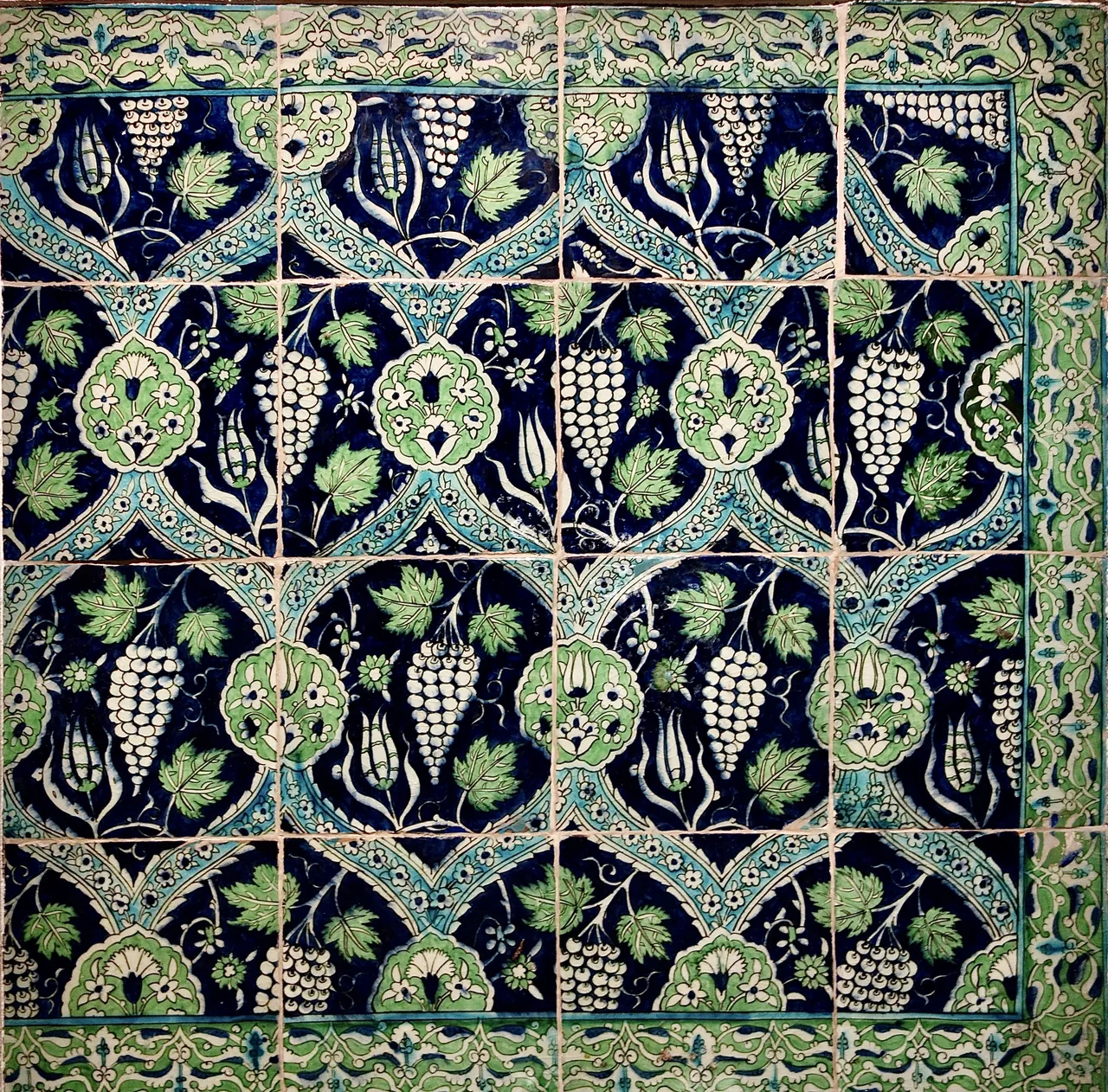
The Iznik pottery and tilework make an absorbing pause among the paintings and sculpture. Look for curling stems, flowers and the blues, greens and reds associated with these Ottoman workshops. One large sixteenth-century tankard is decorated like a garden, with flowers rising from its base. Its handle even recalls the stitching on the leather vessels from which this pottery form developed.
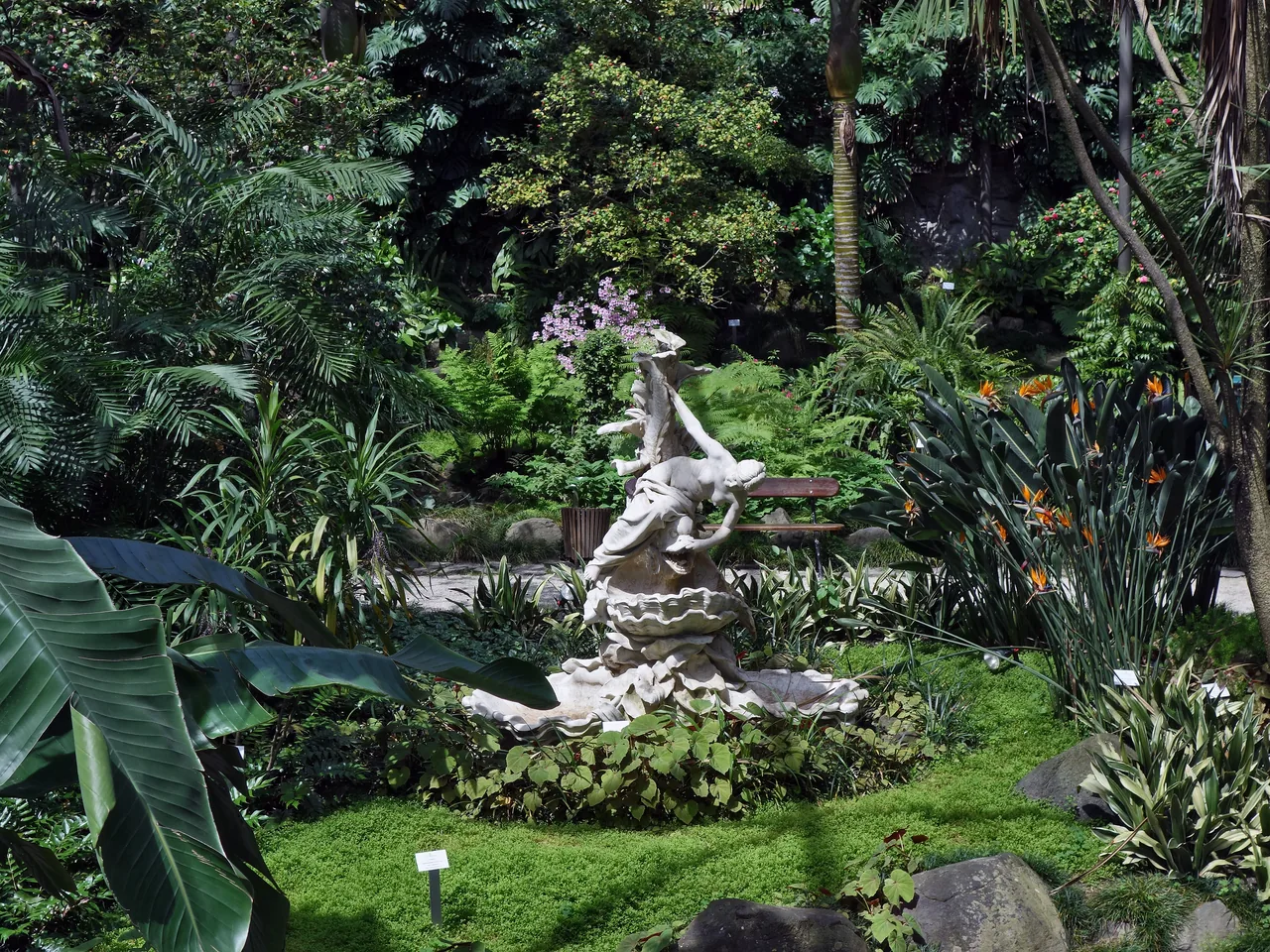
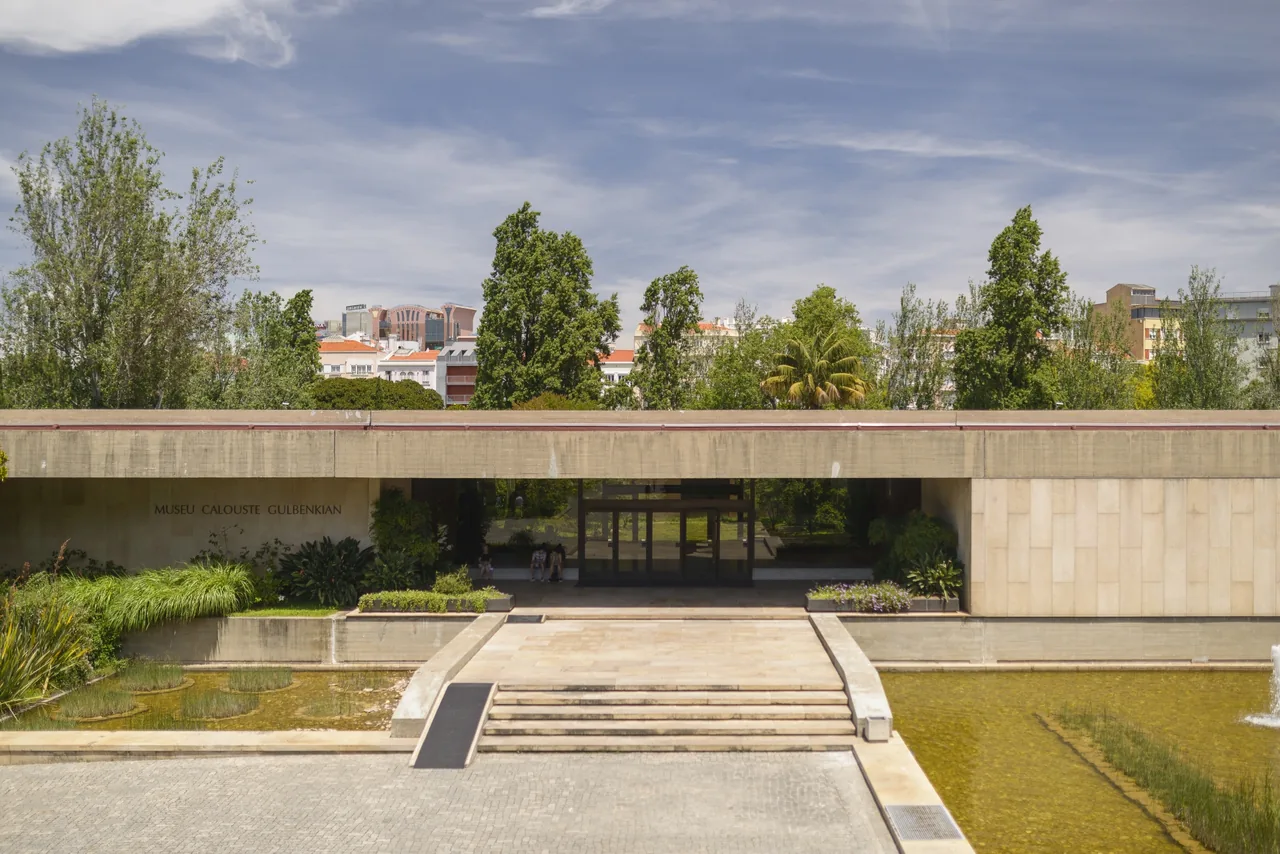
Look through the gallery windows as well as at the works on display. The building was designed around planted courtyards, bringing trees and changing daylight into the experience of looking at art. Outside, paths lead between lawns, pools and dense planting. A walk here gives you time to think about what you have seen before returning to the traffic of the surrounding avenues.
The visitor perspective
The breadth of the collection is a recurring pleasure in the accounts we read. Visitors single out European paintings, decorative arts and Lalique's jewellery, often alongside something they had not expected to enjoy. The garden also receives warm praise, making the setting part of the visit rather than simply the space around the museum.
Some reviews discuss both the founder's collection and CAM, although the two offer quite different experiences. Several people prefer the historic collection; others enjoy adding modern art. It is worth deciding which interests you, rather than assuming a visit must include every building. Older comments about the collection are useful for identifying favourites, but not for judging the display in a particular room.
Leave enough time for objects that are easy to pass quickly, particularly jewellery, ceramics and manuscripts. Looking closely at a handful can be more satisfying than rushing between famous paintings. Afterwards, the garden makes a pleasant place to pause before returning to the rest of your day.
Visitor feedback reviewed:
The story
Calouste Sarkis Gulbenkian was a businessman and art collector of Armenian descent who became a British citizen in 1902. His work in the oil industry gave him the means to buy art on an exceptional scale. Over more than fifty years he assembled a collection guided by his own tastes, with advice from specialists, rather than setting out to tell a complete history of art.
He came to Portugal during the Second World War and settled in Lisbon in 1942, living at the Hotel Aviz until his death in 1955. His will provided for a foundation, established the following year, and for the care of his collection. Bringing the works together in Portugal took time: pieces had been kept in different countries, and their transfer required lengthy negotiations.
The museum opened in 1969. Architects Ruy Jervis d'Athouguia, Pedro Cid and Alberto Pessoa designed it specifically for the collection, as part of the foundation's wider complex. Landscape architects Gonçalo Ribeiro Telles and António Viana Barreto shaped the surrounding garden. The close relationship between galleries and planting remains one of the most distinctive qualities of a visit.
Planning your visit
For current opening hours and ticket details, visit the official website.
Official visitor information ↗The area
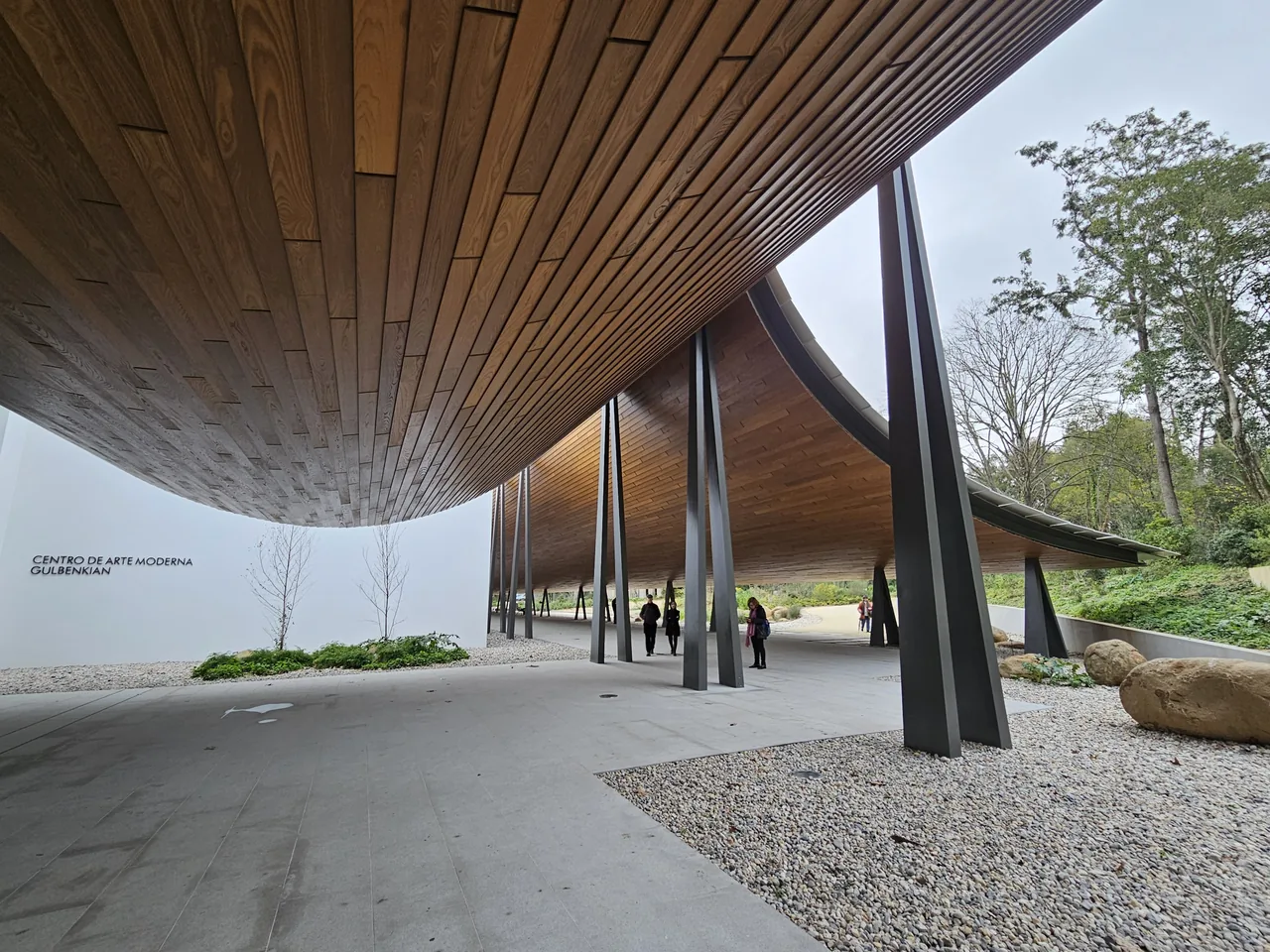
The museum is on the northern side of the Gulbenkian grounds, reached from Avenida de Berna. São Sebastião and Praça de Espanha are the nearest metro stations. The garden links the museum with the foundation's other buildings, including the separate Centro de Arte Moderna, so allow time to find the right entrance rather than heading for the first gallery you see.
 Open map
Questions about this place
The collection is especially admired for its range and quality, including René Lalique's jewellery and glass, European paintings, Islamic ceramics and textiles, and ancient art. The Dragonfly corsage ornament is one of its most recognisable works.
Allow roughly 90 minutes to two and a half hours for the main collection. Enthusiasts may want longer. Add time for the garden and make a separate allowance if you also plan to visit CAM.
No. They are separate museums within the Gulbenkian grounds. The Calouste Gulbenkian Museum presents the founder's historic collection; CAM focuses on modern and contemporary art, with a strong Portuguese collection.
No. The variety of objects gives you plenty to respond to, from the design of a jewel to the expression in a portrait. A short list of works to find can be more enjoyable than trying to study every gallery in detail.
Individual objects may be lent or moved for conservation. If seeing a particular work is the main reason for your visit, check directly with the museum before travelling. The guide highlights the collection rather than promising a fixed display in every room.
More of Lisbon
Visitar editorial team
Based on official visitor information, historical and collection records, and a sample of individual traveller reviews.
Visit times are estimates. The guide is based on published sources; it does not include an on-site inspection. Photograph dates appear in the gallery captions.
Content reviewed: · Visitar.com
Image resized for display; full source and licence linked.