Church ruins & museum
45–75 min
Time to walk through the open nave and explore the covered collection rooms, with space to stop for photographs and individual objects.
Church ruins & archaeology · Chiado
Convento do Carmo / Museu Arqueológico do Carmo
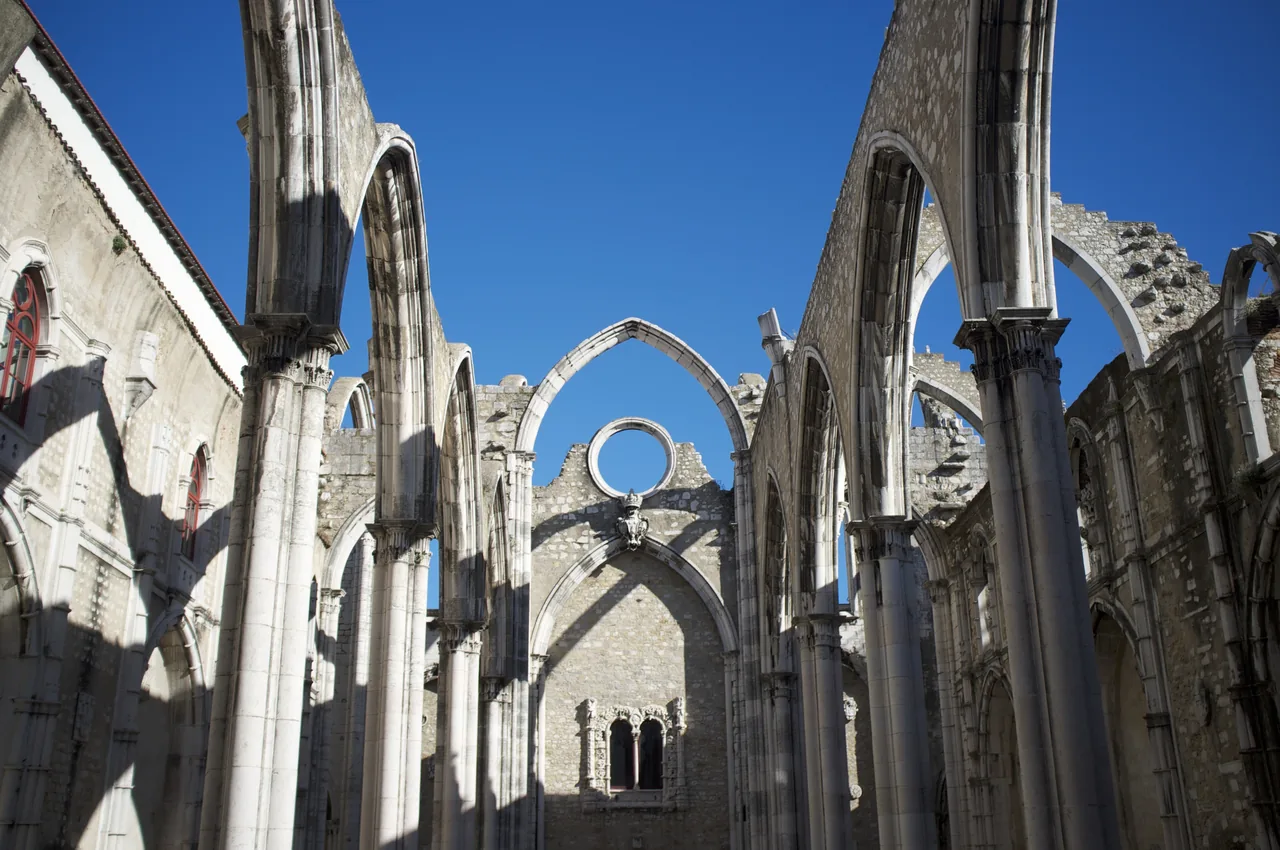
Gothic arches rise into the open sky above a church that was never fully rebuilt. Beyond the nave, a small museum brings together carved tombs, Roman stonework and objects from much earlier lives.
At a glance
45–75 min
Time to walk through the open nave and explore the covered collection rooms, with space to stop for photographs and individual objects.
Photographs


What to see
The roofless church of Carmo is one of the clearest reminders of the earthquake that struck Lisbon in 1755. Its arches frame the sky, with stone fragments and sculpture set around the open nave. The rooms beyond hold the Carmo Archaeological Museum, a collection that rewards a closer look after the first striking view.
The contrast between the building and the objects inside is part of Carmo’s appeal. First there is the height of the church and the changing light across its stonework. Then come the smaller details: figures on a tomb, a carved face, a worn inscription. The museum gives the ruins more depth, turning a photogenic space into a place to think about what survives when buildings and ways of life disappear.
Carmo suits anyone interested in architecture, archaeology or the earthquake’s effect on the city. You do not need specialist knowledge to enjoy it. Visitors who stop only for the famous arches will see the most dramatic part, but miss much of the reason to linger.
Look closer
Begin near the entrance and look along the length of the church. Without a roof, the arches become a series of frames for the sky. Move a little to either side and the view changes again. It is tempting to take one photograph and continue, but the proportions of the building become clearer when you walk slowly down the nave and look back towards the doorway.
The ruins are more complicated than a church left untouched after a disaster. Reconstruction began after the earthquake, and much of the visible Gothic-style framework belongs to that effort. Work stopped in the nineteenth century. Keeping this in mind changes the experience: you are looking at both the destruction of an older church and the remains of an unfinished attempt to restore it.
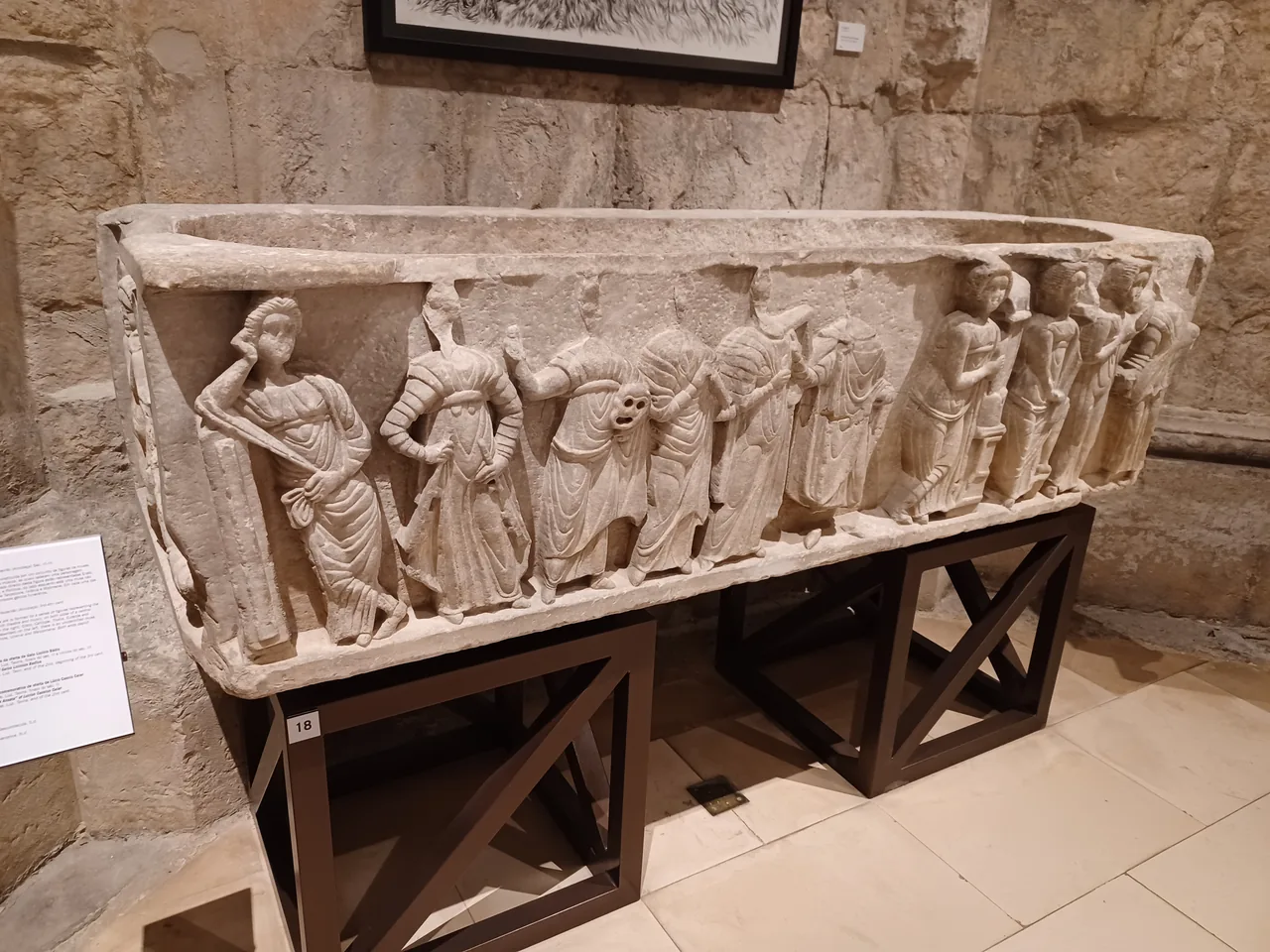
Look closely at the stone carving rather than treating the pieces around the church as background decoration. Faces, animals, clothing and heraldic details give individual objects their character. The museum collected material from buildings that had been damaged, altered or lost. These fragments preserve work that would otherwise be difficult to imagine from a plan or a written description.
Continue into the covered rooms at the far end. Roman stonework, medieval sculpture and much older archaeological objects broaden the story beyond Carmo itself. The collection is varied rather than a single orderly account of the church. Look closely at the carved sarcophagi, where small figures and folds of clothing bring the stone surfaces to life.
The visitor perspective
The open arches are the feature visitors return to most often in the reviews we read. People describe the unusual feeling of standing in a church beneath the sky, and many consider the ruins worth a place in their day. The setting makes a strong impression even on those who spend relatively little time inside.
Opinions about the museum are more varied. Some appreciate the historical explanation and the range of objects; others find the collection small or less compelling than the church. Value tends to depend on how much attention a visitor gives the contents beyond the nave, rather than simply on the size of the site.
Allow time to move between the two parts of the visit. After enjoying the arches, pick out a few carved objects and find out where they came from. That makes a more rounded experience than treating Carmo as a short photographic stop, while still leaving plenty of the day for Chiado and Baixa.
Visitor feedback reviewed:
The story
Nuno Álvares Pereira founded the church in 1389, choosing a prominent hilltop for a Carmelite convent and his intended burial place. Its position opposite the castle made it an important feature of the city. The earthquake and subsequent fire of 1755 left the church badly damaged.
Rebuilding began the following year. The project used Gothic forms, but was interrupted in 1834 when Portugal’s religious orders were dissolved. The incomplete church later came to be valued as a Romantic ruin. Its present appearance therefore reflects both the earthquake and later decisions about reconstruction and preservation.
The archaeological museum opened in 1864 through the work of Joaquim Possidónio Narciso da Silva and the association of Portuguese archaeologists. Saving objects from threatened buildings was an important part of its purpose. Over time, the collection expanded to include material from archaeological sites and objects from further afield. That history explains the mixture of architectural fragments, sculpture and antiquities inside.
Planning your visit
For current opening hours and ticket details, visit the official website.
Official visitor information ↗The area
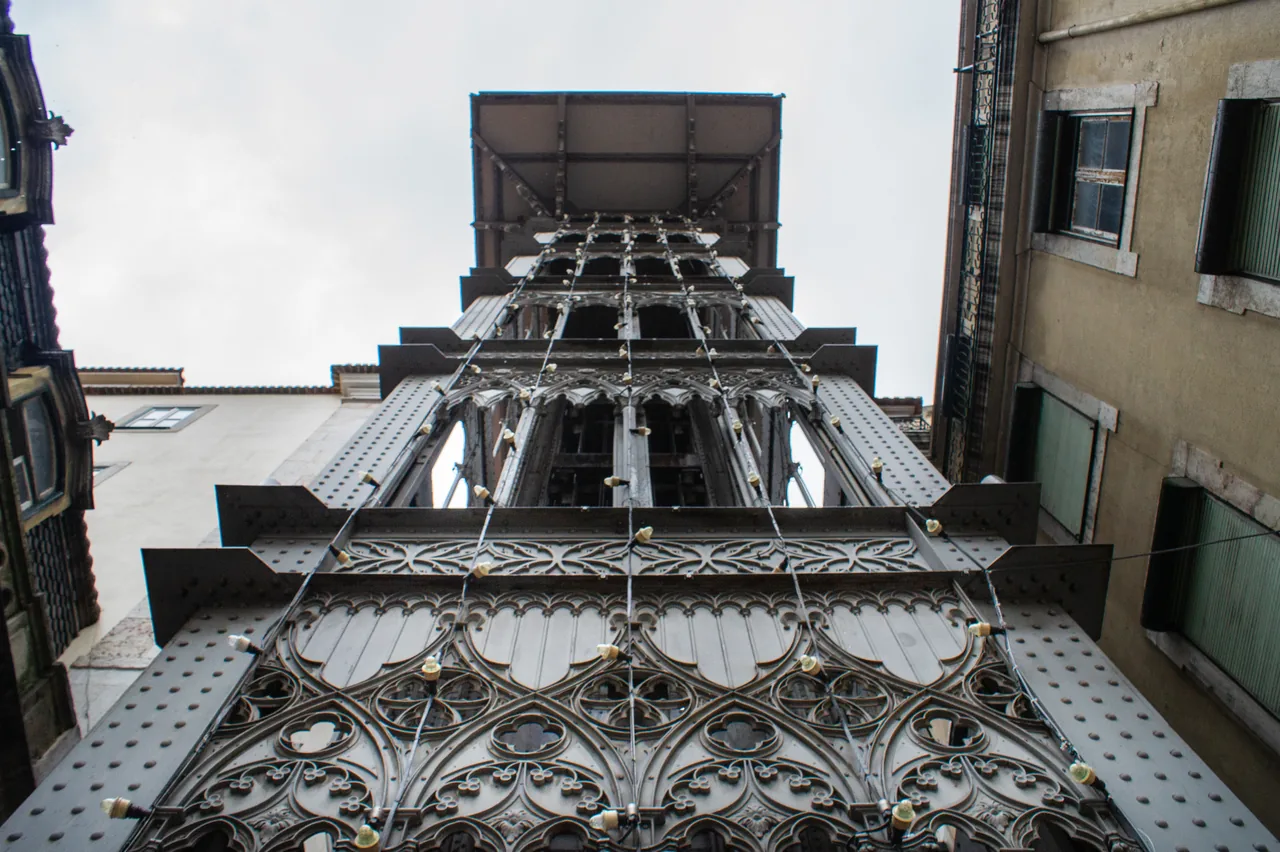
The entrance faces Largo do Carmo, a small square reached from Chiado. Baixa lies below the church, with Santa Justa Lift close by on the eastern side. Walk through the surrounding streets before or after your visit: the change in level between the square and the lower city helps explain the church’s commanding position.
Chiado area guideWhat to see, how to get around and where to stay. Open map
Questions about this place
The church was badly damaged in the 1755 earthquake and fire. Rebuilding began afterwards but stopped in the nineteenth century. The roofless church was subsequently preserved as a ruin, so its appearance reflects unfinished reconstruction as well as the original disaster.
They form one visit. The roofless church leads to the covered rooms of the Carmo Archaeological Museum. Allow time for both rather than assuming the museum is somewhere else.
Around 45–75 minutes works well for the ruins and museum. You may want longer if you enjoy archaeology or spend time studying the tombs and architectural fragments.
The open arches are easy to appreciate, and older children may enjoy spotting carved figures and unusual objects. The museum also displays human remains, which some families will prefer to discuss before entering the collection rooms.
Yes. The entrance is on Largo do Carmo, reached on foot through Chiado. The lift is not required to visit the convent. The streets between Baixa and the square involve a climb, so choose the approach that suits your day.
More of Lisbon
Visitar editorial team
Based on official visitor information, historical and collection records, and a sample of individual traveller reviews.
Visit times are estimates. The guide is based on published sources; it does not include an on-site inspection. Photograph dates appear in the gallery captions.
Content reviewed: · Visitar.com
Image resized for display; full source and licence linked.