The church & chapels
30–45 min
Time to take in the nave, painted ceiling and a selection of chapels without rushing the detail.
Church & sacred art · Chiado & Bairro Alto
Igreja de São Roque
A plain façade gives little away. Inside São Roque, gilded chapels, coloured stone and an extraordinary painted ceiling reward a much closer look.
At a glance
30–45 min
Time to take in the nave, painted ceiling and a selection of chapels without rushing the detail.
75–120 min
A fuller visit combining the church with its collections of sacred art and precious objects.
Photographs


What to see
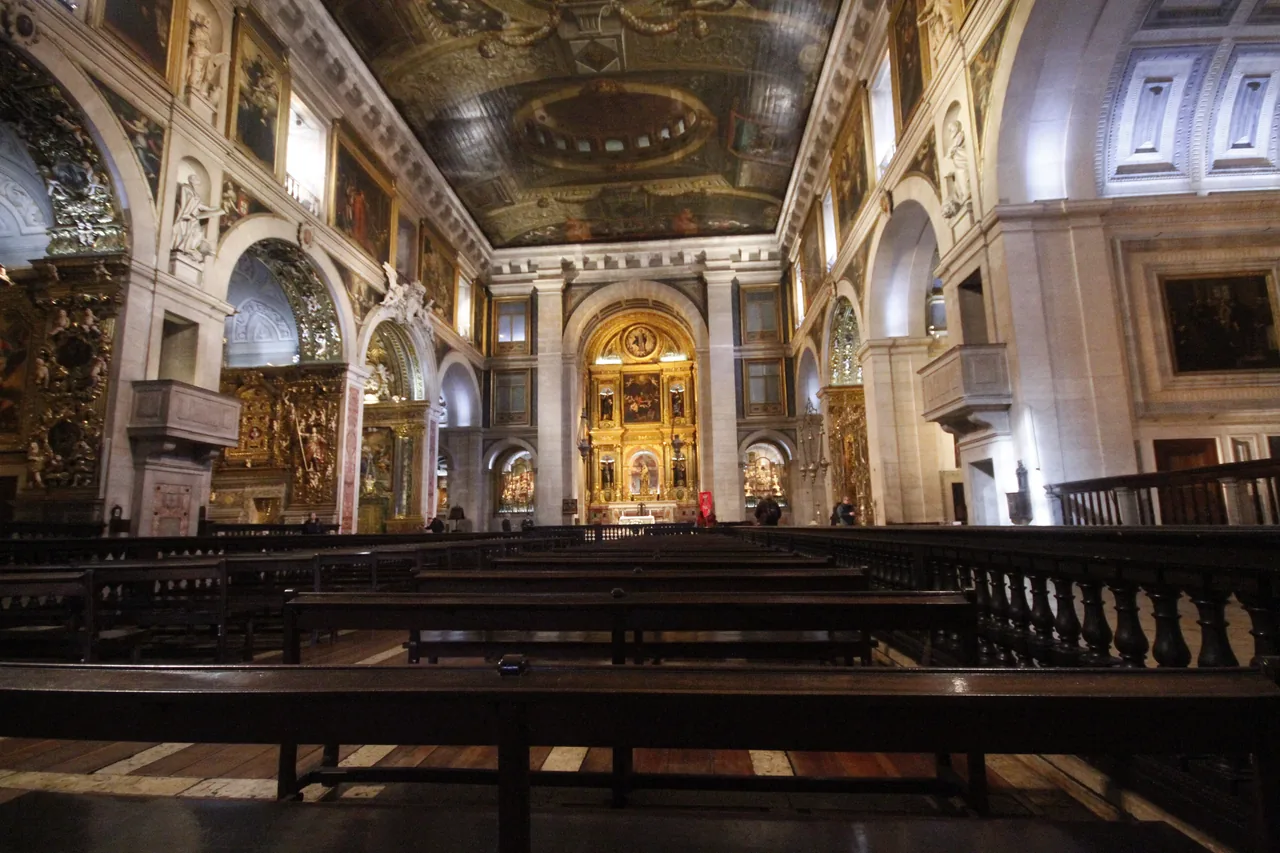
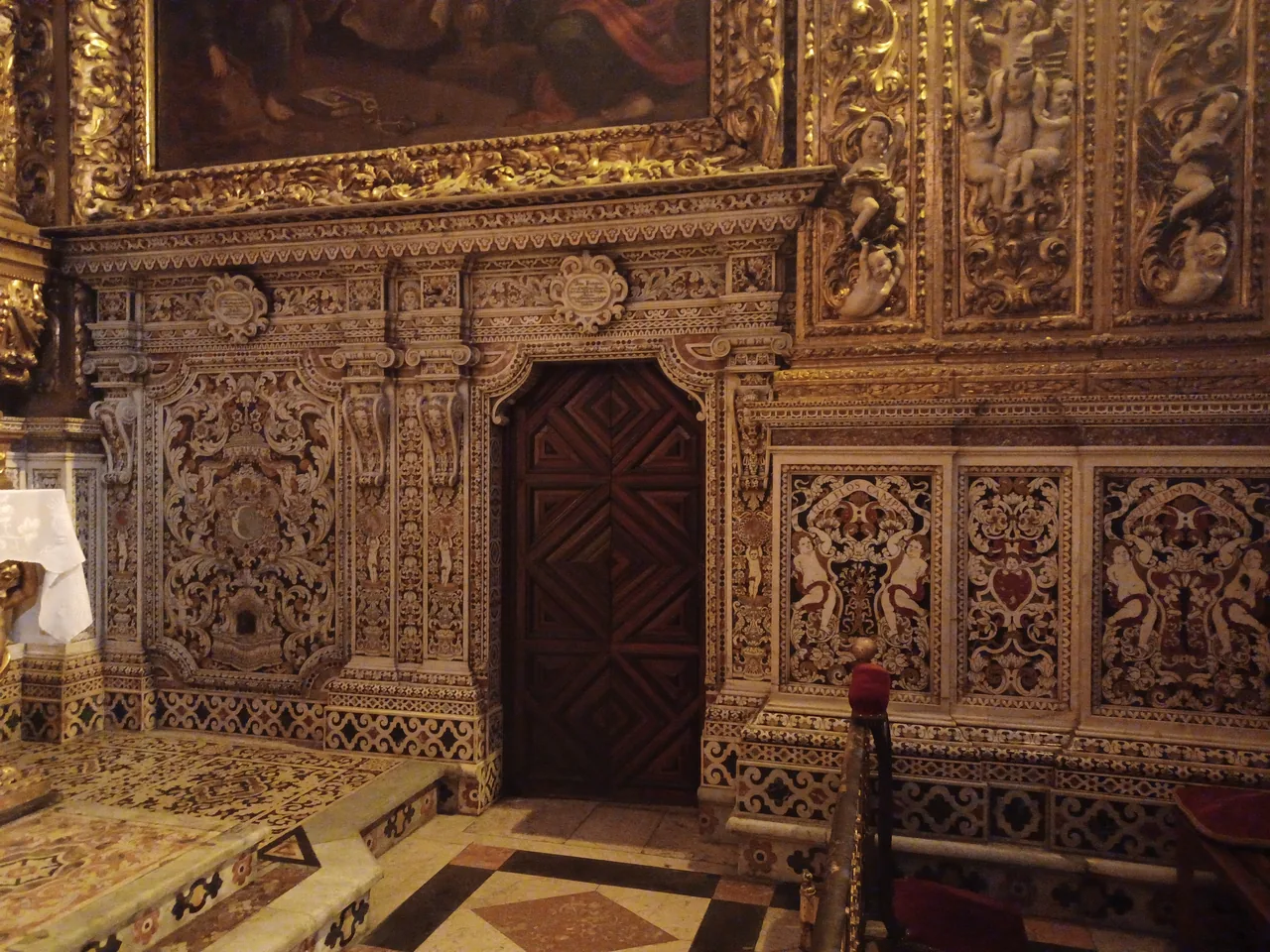
São Roque stands on Largo Trindade Coelho, where the streets of Chiado meet Bairro Alto. From outside, its restrained frontage could hardly prepare you for the church within. The broad nave is lined with chapels so richly worked that a first glance tends to become a long examination of the walls.
There is more variety here than the first wash of gold suggests. Some chapels rely on densely carved wood; others use polished stone, painting or tiny pieces of mosaic. Above them, a flat wooden ceiling creates the illusion of architectural depth. The most celebrated chapel, dedicated to St John the Baptist, was made in Rome before being brought to Lisbon. Seeing how these different materials work together is the real pleasure of the visit.
You do not need a specialist interest in churches to enjoy São Roque. Anyone who notices craftsmanship, colour or the way a room is put together should find plenty to hold their attention. The adjoining museum is worth a separate allowance if religious art and precious objects particularly interest you.
Look closer
Look up from several points in the nave. Painted domes and arches appear to give the ceiling a depth that the timber structure does not possess. The effect is easier to appreciate after you have recognised the trick. Let your eye follow the painted architecture rather than trying to identify every figure in the religious scenes.
The Chapel of St John the Baptist brings together coloured stones, metalwork and exceptionally fine mosaics. The figurative scenes can look like paintings from a distance, so take time to study their surface from the permitted viewing position. Its materials and precise workmanship give it a different character from the more exuberant carved chapels nearby.
Work along the sides of the nave instead of looking only towards the main altar. Compare the framing of each chapel: columns, patterned stone, gilded foliage, painted scenes and figures all compete for attention. Choosing two or three to examine carefully is more rewarding than photographing every altar and moving on before noticing the differences.
The Museu de São Roque gives smaller objects the space they deserve. Reliquaries, vestments and the treasure associated with the Chapel of St John the Baptist help explain the expense and care involved in worship. The reliquaries are particularly revealing: these elaborate containers were made to honour remains regarded as sacred, not simply to decorate a room.
The visitor perspective
The surprise of stepping from a plain exterior into such an ornate church runs through the accounts we read. Visitors pick out the ceiling, gilded chapels and the Chapel of St John the Baptist, often describing a stop that proved more interesting than expected. The pleasure is in looking closely, rather than covering a large building.
Not everyone finds it equally remarkable after several church visits. Some mention the dim interior, while others are content with a short look. That is a useful distinction: the appeal rests on decoration and craftsmanship, so interest in those details matters more than how many famous churches you have already seen.
Give yourself time to inspect a few chapels properly. If that leaves you wanting to understand the objects and materials, continue into the museum. If you mainly wanted to see the church, there is no need to turn a rewarding half-hour stop into a much longer visit.
Visitor feedback reviewed:
The story
The Jesuit church was inaugurated in 1573. Its broad, largely unobstructed interior suited an order for which preaching mattered greatly. The modest exterior and richly furnished chapels reflect different parts of that purpose, and different periods of patronage. Much of the decoration was added after the main building was established.
João V commissioned the Chapel of St John the Baptist in 1742 from the Roman architects Luigi Vanvitelli and Nicola Salvi. Made in Rome and subsequently assembled in Lisbon, it brought Italian craftsmanship and costly materials into an existing Portuguese church. That journey is worth remembering when you consider the precision of the finished space.
The complex passed to the Santa Casa da Misericórdia de Lisboa in 1768, following the expulsion of the Jesuits. The museum opened in 1905 in the former professed house beside the church. Its collections include the chapel’s treasury and a substantial group of reliquaries, whose history reaches back to a major donation by João de Borja in 1588.
Planning your visit
For current opening hours and ticket details, visit the official website.
Official visitor information ↗The area
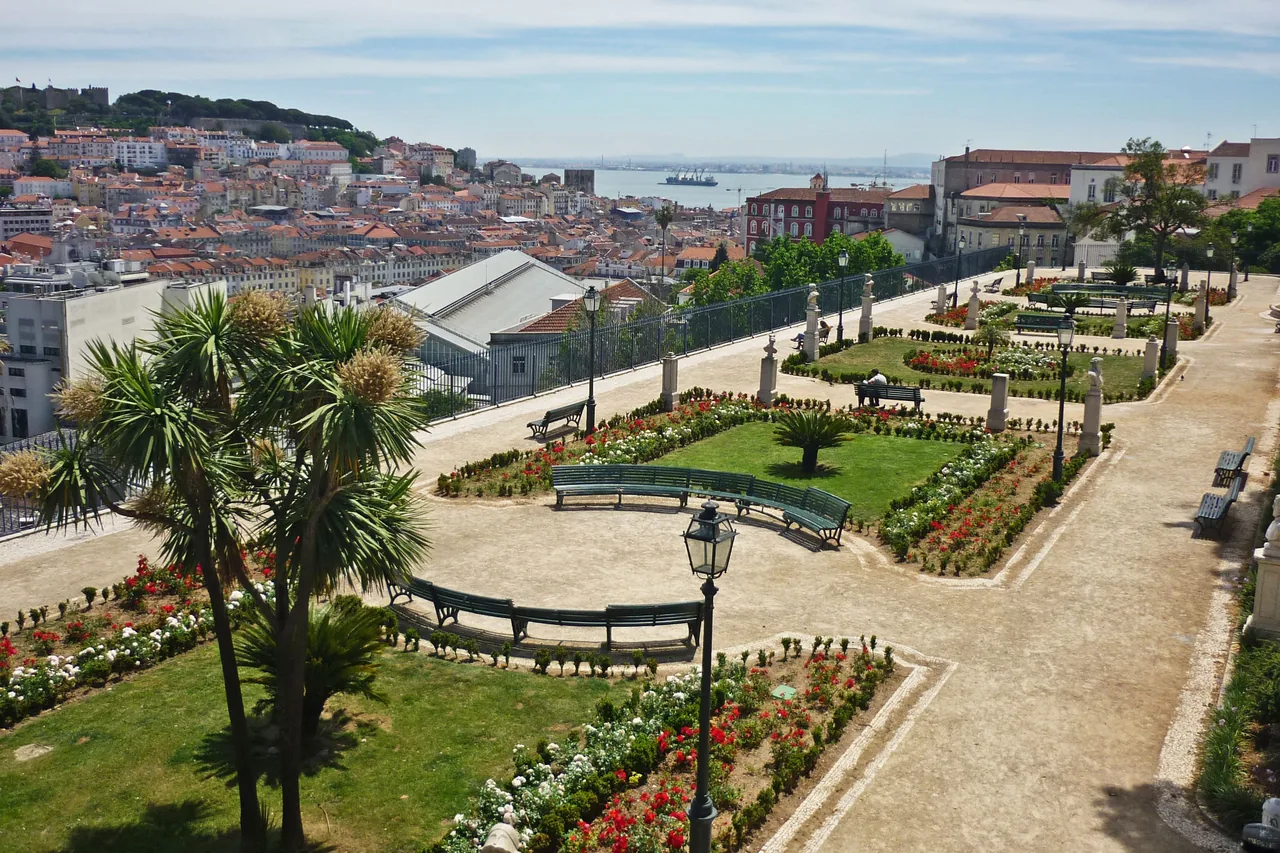
The church faces Largo Trindade Coelho, a useful pause between the streets of Chiado and the lanes of Bairro Alto. São Pedro de Alcântara’s garden viewpoint lies farther along Rua de São Pedro de Alcântara. Together they make a satisfying short walk: a richly decorated interior followed by an open view across the city.
Bairro Alto area guideWhat to see, how to get around and where to stay. Open map
Questions about this place
Its richly decorated interior, especially the painted wooden ceiling and the Chapel of St John the Baptist. The plain façade makes the contrast all the more striking.
The great ceiling over the nave is wooden and substantially flat. Painted architecture creates the impression of domes and arches above you. Look again once you know this and the illusion becomes part of the enjoyment.
They are neighbouring parts of the same historic complex, with separate visitor arrangements. The church contains the chapels; the museum displays collections of sacred art, including objects associated with those spaces.
About 30–45 minutes works for an attentive look around the church. Allow roughly 75–120 minutes for the church and museum together, longer if you enjoy studying decorative arts.
More of Lisbon
Visitar editorial team
Based on official visitor information, historical and collection records, and a sample of individual traveller reviews.
Visit times are estimates. The guide is based on published sources; it does not include an on-site inspection. Photograph dates appear in the gallery captions.
Content reviewed: · Visitar.com
Image resized for display; full source and licence linked.