The stadium visit
90–120 min
Time for the visitor route and photographs, allowing for the format of the tour you choose.
Football stadium & club museum · São Domingos de Benfica
Estádio do Sport Lisboa e Benfica / Museu Benfica Cosme Damião
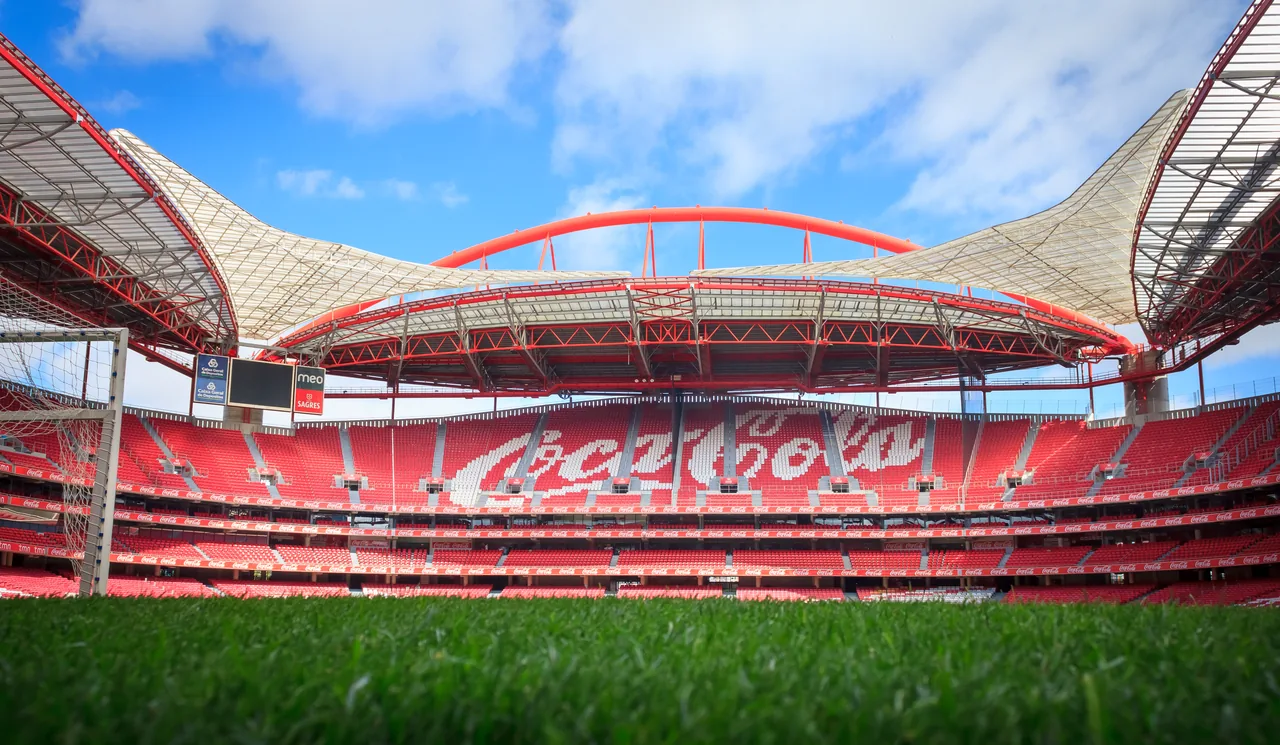
See the sweep of red seats inside Estádio da Luz, then follow Benfica’s story through trophies, photographs and objects in the museum. The two visits offer different sides of the club.
At a glance
90–120 min
Time for the visitor route and photographs, allowing for the format of the tour you choose.
150–240 min
A combined visit with a proper allowance for the museum after seeing the stadium. Football enthusiasts may want longer with the displays.
Photographs


What to see
Estádio da Luz is Benfica’s home ground, a large modern football stadium in São Domingos de Benfica. A visitor tour shows the scale of the stands and selected areas used around match days. Beside it, the Museu Benfica Cosme Damião follows the club’s history through far more than a line of trophies.
The stadium delivers the immediate impression: a broad green pitch enclosed by tiers of red seating and an open sweep of roof. The museum provides the detail behind that spectacle. It sets sporting achievements alongside the club’s development and the city around it, with personal objects and archive material that make the history more tangible. Football enthusiasts will usually find the combination more rewarding than either part alone.
Benfica supporters and football fans have the clearest reason to make the journey. Families with a keen young player may enjoy sharing the stadium’s scale and the museum’s displays. If football holds little interest, think carefully about how much of your day you want to devote to a specialist visit.
Look closer
The pitch looks surprisingly small within the surrounding tiers of seating. Look up at the roof structure as well as across the grass. A tour of an empty or partly occupied stadium is a different experience from attending a match: it gives you time to study the setting, but not the noise and collective excitement of a full crowd.
Visitor routes can include spaces associated with the players’ journey and the organisation of a match. The particular rooms and access points depend on the tour format and stadium activity, so choose the visit for the overall experience rather than a promised photograph in one room. The contrast between corridors, working rooms and the enormous seating bowl is part of the interest.
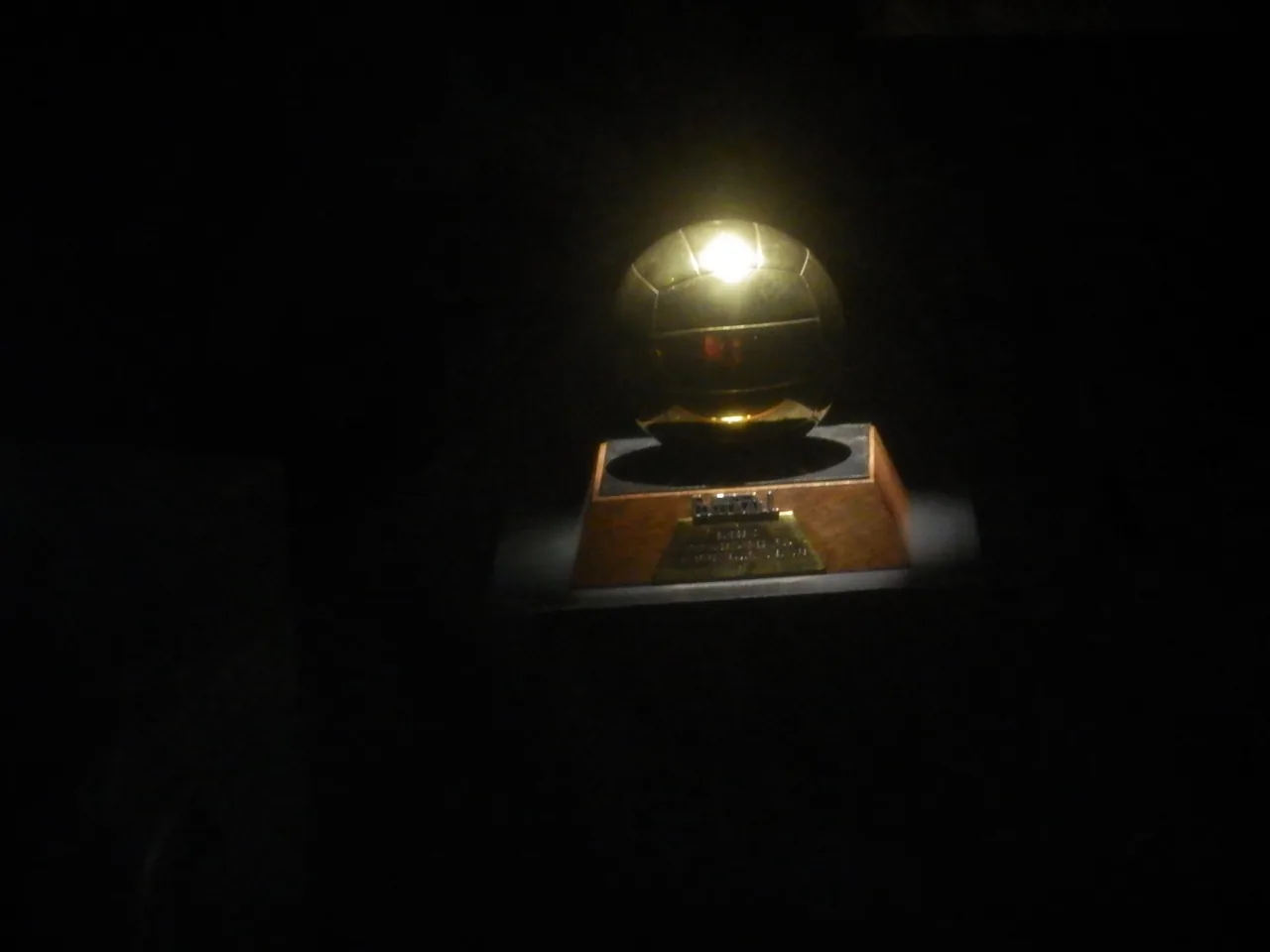
The museum gives context to names that may otherwise be familiar only from shirts or old match footage. Eusébio is central to Benfica’s story, but the interest lies in the objects, images and achievements that explain his place in it. Take time with the personal material as well as the major trophies. It brings a human scale to a history often told through results.
Football dominates many visitors’ expectations, but Benfica’s history includes other sports and the life of the institution itself. The museum places sporting material alongside a broader chronology. Follow a few threads that interest you, whether players, changing grounds or the club’s relationship with Lisbon. There is more here than a single room celebrating recent victories.
The visitor perspective
Football fans often describe a strong sense of occasion on seeing the stadium from inside. In the accounts we read, the museum also receives considerable praise, sometimes exceeding expectations after the tour. Families with an enthusiastic supporter can find enough interest in the combination to spend a substantial part of the day here.
The reservations are often about what visitors expected from the route. Some wanted more detailed guiding or access to particular rooms; others were happy with the format they received. These differences make it important to distinguish the experience being booked from older accounts of another tour.
Read the visit description carefully and keep enough time for the museum. The stadium supplies the immediate visual impression, while the objects and archive material explain why the place matters to supporters. For anyone who enjoys football history, rushing the displays after the tour would miss a significant part of the visit.
Visitor feedback reviewed:
The story
Benfica traces its origins to the foundation of Sport Lisboa in 1904. The club developed into one of Portugal’s major sporting institutions, with a following that extends far beyond its immediate neighbourhood. Its museum treats that history as part of the wider life of Lisbon and Portugal, rather than simply a sequence of football seasons.
The current Estádio da Luz opened in 2003, replacing the earlier ground of the same name. Its broad roof and large seating bowl belong to a different generation of stadium design. The name carries the memory of the old ground, but the building visited today is the modern stadium.
The Museu Benfica Cosme Damião opened in 2013. Named after one of the key figures in the club’s early history, it brings together trophies, archive material and objects associated with players and other sports. The stadium and museum complement each other: one explains the setting of the present-day club, while the other gives depth to the history behind it.
Planning your visit
For current opening hours and ticket details, visit the official website.
Official visitor information ↗The area
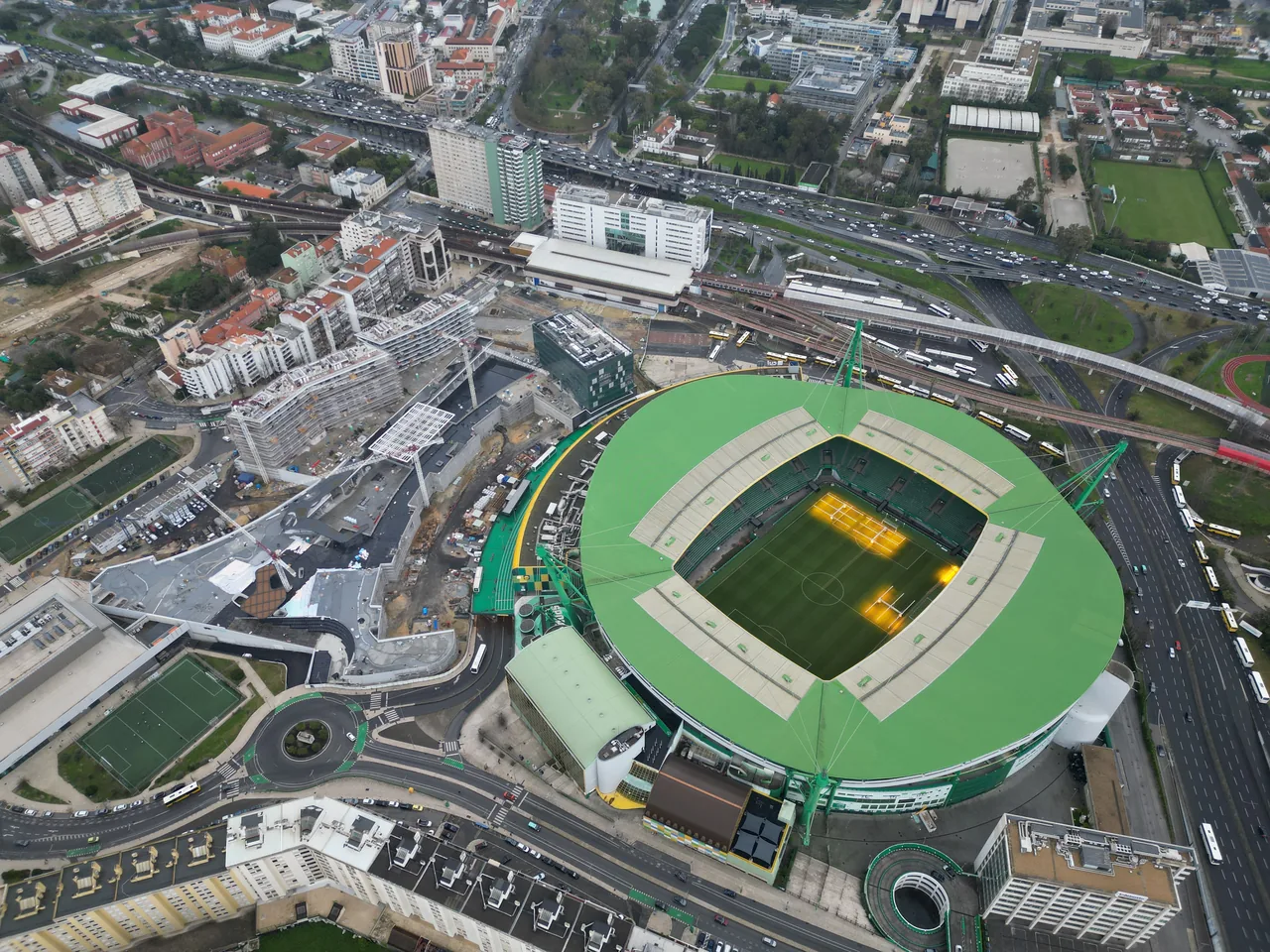
The stadium stands beside Avenida Eusébio da Silva Ferreira, near the Colombo shopping centre and Colégio Militar/Luz Metro station. It is a separate outing from the historic centre. The visitor route, museum and match-day entrances serve different purposes, so follow the directions for your booked visit when you arrive at the stadium complex.
This is a route through the city. The map marks a reference point to help you find your bearings.
 Open map
Questions about this place
No. A tour is a visitor experience around the stadium. Match tickets are a separate purchase and offer a very different experience. Check carefully which one you are booking.
Choose the stadium for the architecture, pitch views and the experience of being inside the ground. Choose the museum for the club’s history and sporting collections. Football fans will usually get the most from allowing time for both.
Do not assume that every behind-the-scenes space is included. The rooms and route depend on the visit format and stadium operations. Read the description of the experience you are booking rather than relying on photographs from someone else’s tour.
Allow roughly two and a half to four hours for the stadium and museum together. The stadium-only visit needs a smaller allowance, around 90 minutes to two hours. Your booking instructions determine the exact tour timing.
No. Football is a major part of it, but the museum also covers other sports and the history of the club as an institution. Trophies sit alongside archive material, personal objects and a wider historical chronology.
More of Lisbon
Visitar editorial team
Based on official visitor information, historical and collection records, and a sample of individual traveller reviews.
Visit times are estimates. The guide is based on published sources; it does not include an on-site inspection. Photograph dates appear in the gallery captions.
Content reviewed: · Visitar.com
Image resized for display; full source and licence linked.