The stadium tour & club museum
90–120 min
Time for the guided stadium experience and museum, with a little room to examine the displays. The exact route depends on stadium operations.
Football stadium & sports museum · Campo Grande
Estádio José Alvalade e Museu Sporting
See Sporting’s home ground from inside, then discover a club whose history extends well beyond the football pitch.
At a glance
90–120 min
Time for the guided stadium experience and museum, with a little room to examine the displays. The exact route depends on stadium operations.
Photographs


What to see
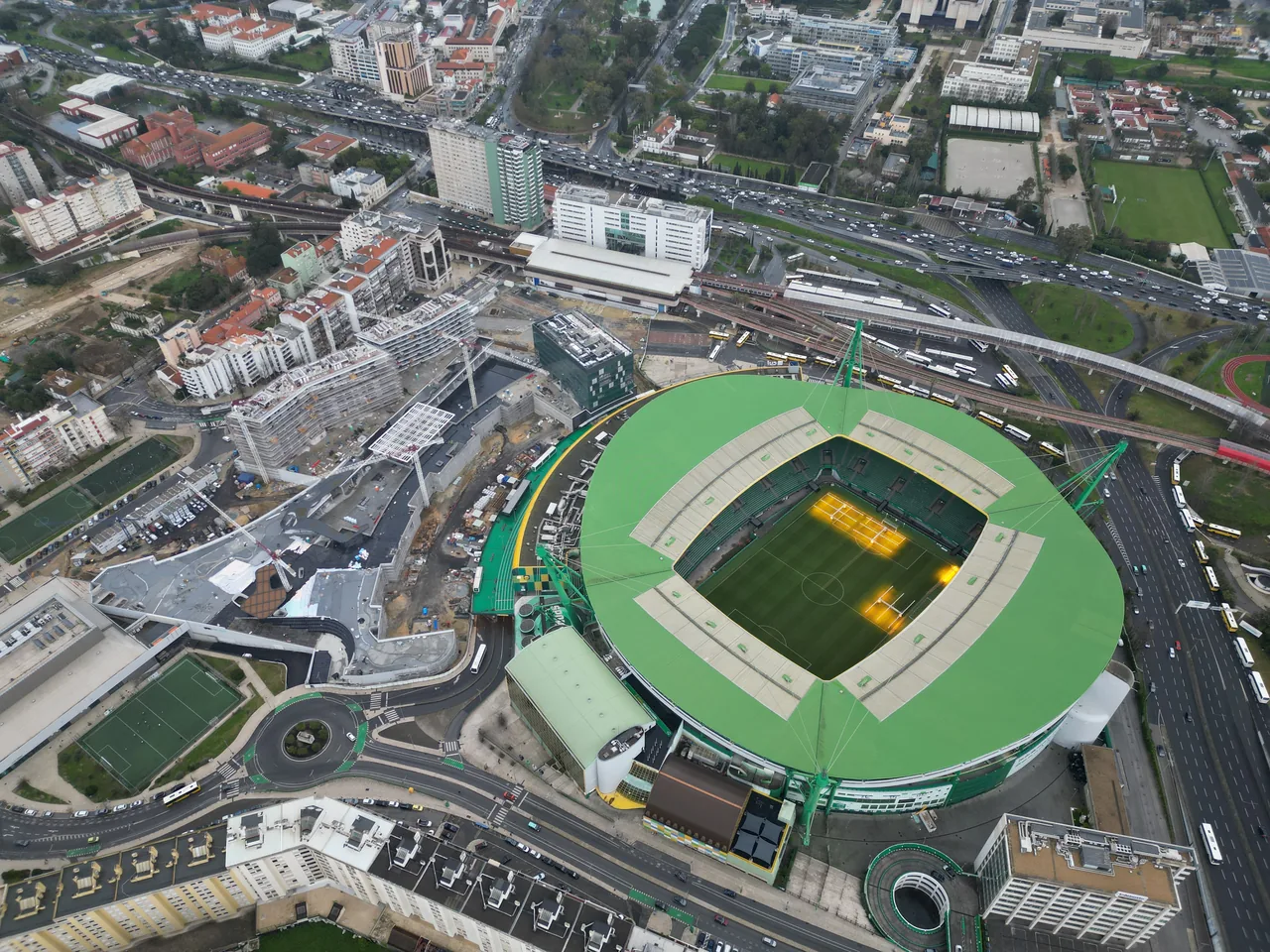
Estádio José Alvalade is Sporting Clube de Portugal’s home ground, in the north of the city beside Campo Grande. A stadium visit gives you a sense of the scale that television flattens: the sweep of the stands, the shape of the roof and the distance across the pitch. The accompanying museum puts the building into the much longer story of the club.
Football is the obvious draw, especially for anyone interested in the club that helped develop Cristiano Ronaldo and Luís Figo. Yet Museu Sporting is broader than a gallery of famous footballers. Athletics and other sports form an important part of its identity. That range gives the visit more substance than a succession of trophy photographs.
Supporters and football-minded families are the most natural audience. A visitor with a wider interest in sport can also enjoy the museum, especially if they are curious about Portuguese club culture. If nobody in your group cares much about sport, this is unlikely to be the best use of a journey away from the central sights.
Look closer
An interior view lets you appreciate the steepness and sweep of the seating, the roof structure and the relationship between the stands and pitch. Take a moment to look around before concentrating on photographs. A tour gives you time to inspect the building; the noise and atmosphere of a match are a different experience.
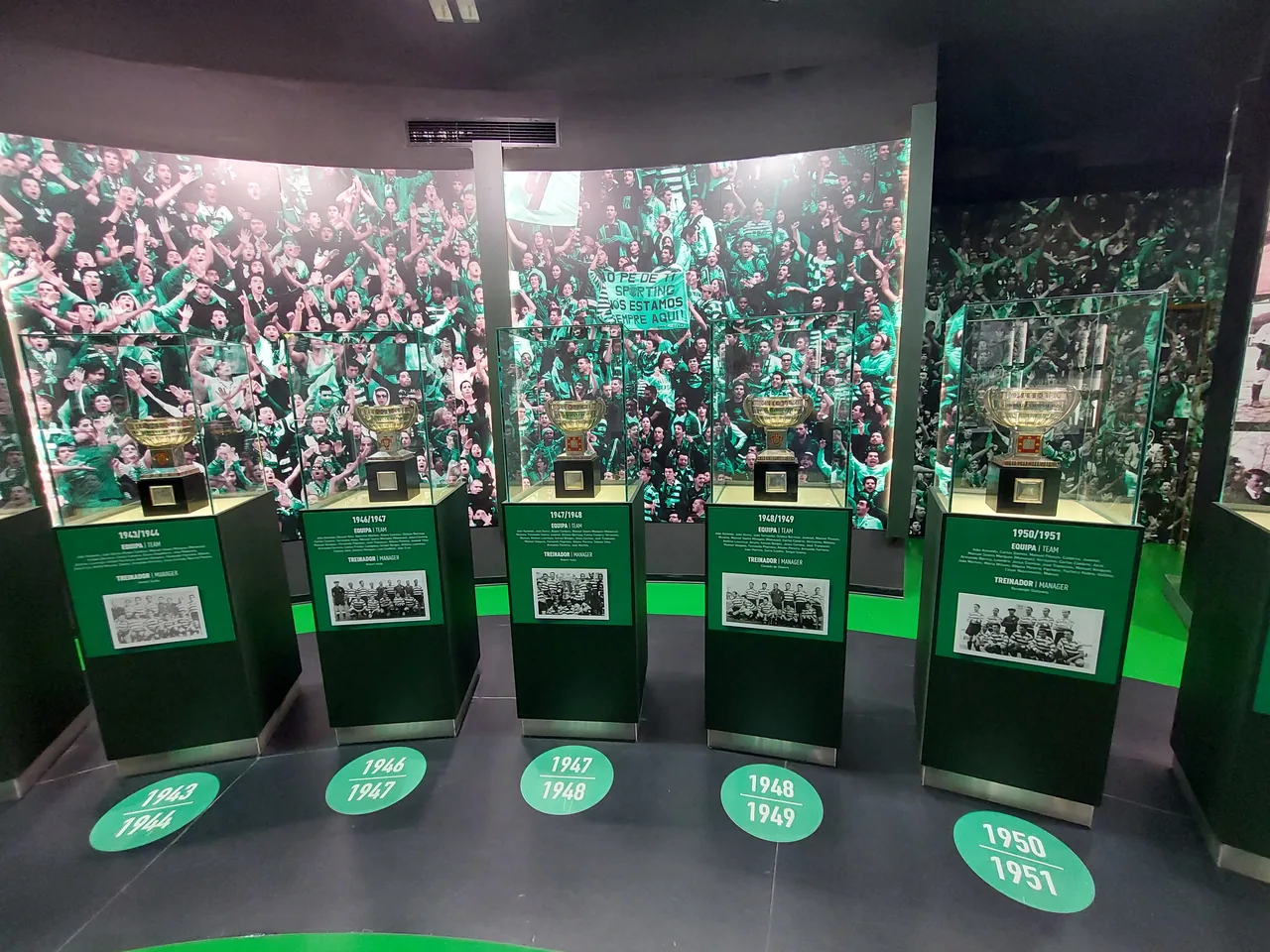
The museum places trophies and memorabilia within Sporting’s story. Look for the periods, teams and players behind the objects, rather than treating every cup as interchangeable. A little attention to those connections makes the collection more interesting even if you arrived knowing only the most internationally famous names.
The athletics displays and trophies from other sports are an important part of the visit. They explain the broader meaning of a sporting club in Portugal, where one institution can sustain several competitive disciplines. Give these sections time instead of assuming the football display tells the entire story.
The stadium was designed by Tomás Taveira, whose work gives the building a strong visual identity. From outside and inside, notice the roof supports and the way the structure encloses the bowl. Comparing the present ground with the museum’s record of earlier years also helps separate the age of the club from the age of this stadium.
The visitor perspective
Enthusiastic tour accounts often mention the guide’s knowledge and enjoyment of talking about the club. Visitors also appreciate the scale of the stadium and the museum’s wider sporting history. For supporters and football-minded families, those elements can make the outing feel personal rather than simply architectural.
Not every account is equally positive. Some visitors feel the tour is brief or that the explanations and access fall short of what they expected. Specific rooms and route details should not be treated as guaranteed, particularly in a stadium that continues to host matches and events.
Come for Sporting’s history as a whole, not only a connection with one famous player. The museum’s athletics and other sporting displays give the experience greater range. A willingness to explore those sections is likely to make the combined visit more rewarding.
Visitor feedback reviewed:
The story
Sporting Clube de Portugal was founded in 1906. Its identity developed across many sports and successive grounds, long before the present stadium existed. José Alvalade, one of the club’s founders, gave his name to its home ground.
The current stadium opened on 6 August 2003 with a match against Manchester United. Sporting won 3–1, and Cristiano Ronaldo’s performance became closely associated with his move to the English club soon afterwards. The building was part of Portugal’s preparations for Euro 2004.
The museum opened within the new stadium in 2004. Its collections connect that modern setting with earlier generations of footballers and athletes. This distinction matters when thinking about famous names: Sporting’s youth development history belongs to the club and its wider facilities, not solely to the building you are visiting.
Planning your visit
For current opening hours and ticket details, visit the official website.
Official visitor information ↗The area
The stadium stands beside the Campo Grande transport interchange, north of the historic centre. This is a separate outing rather than a stop on an Alfama or Baixa walk. Follow the meeting-point instructions supplied with your booking: the stadium has several gates, and arriving at the nearest entrance does not necessarily put you at the tour departure point.
This is a route through the city. The map marks a reference point to help you find your bearings.
 Open map
Questions about this place
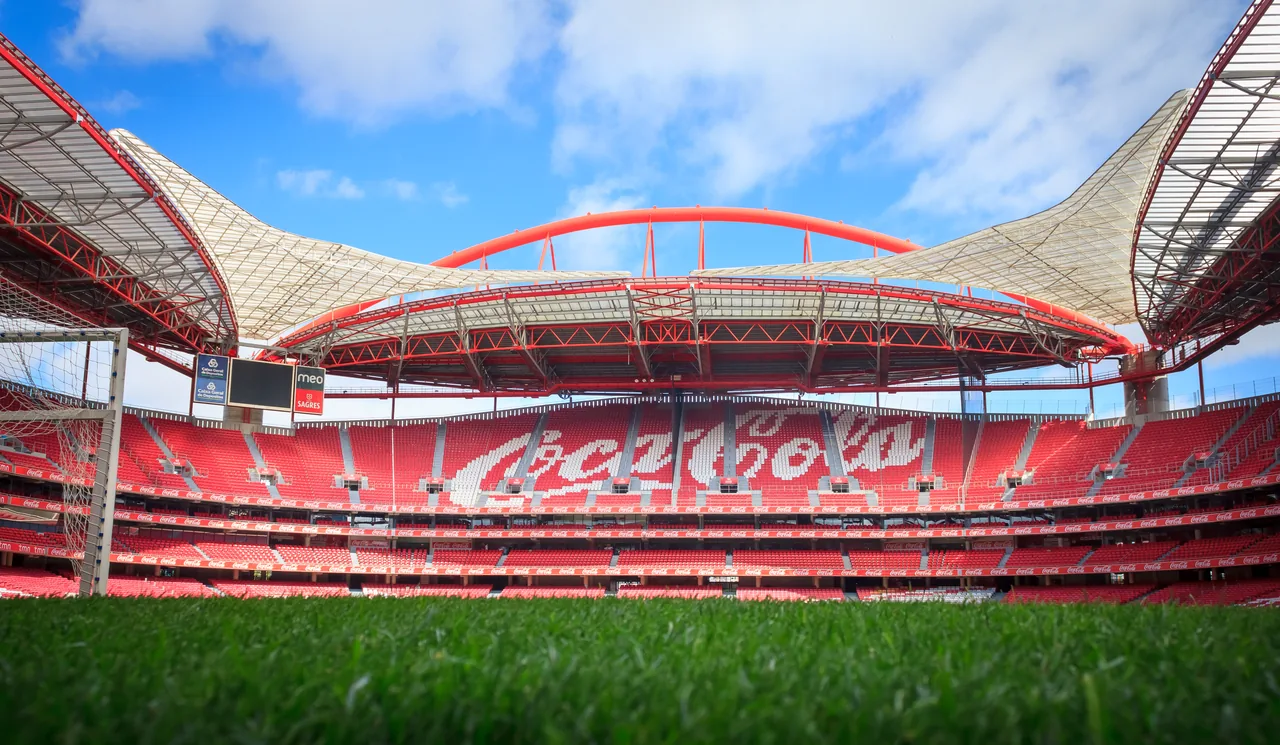
Estádio José Alvalade is Sporting’s home. Benfica plays at Estádio da Luz, a different stadium with its own tour and museum.
No. A stadium tour and museum visit are separate from attending a match. They offer different experiences and need separate arrangements.
No fixed route can be assumed at a working football ground. Access to particular rooms and pitchside areas can change with matches, events and other operational requirements.
No. Sporting has a substantial history in athletics and other sports, and these form part of the museum’s appeal.
The operator describes the combined experience as roughly 90 minutes. Allow about 90–120 minutes for the visit, plus a margin beforehand to locate the meeting point.
More of Lisbon
Visitar editorial team
Based on official visitor information, historical and collection records, and a sample of individual traveller reviews.
Visit times are estimates. The guide is based on published sources; it does not include an on-site inspection. Photographs come from credited sources and may show earlier displays or arrangements.
Content reviewed: · Visitar.com
Image resized for display; full source and licence linked.