Animals, gardens & a break
180–300 min
A substantial visit with time for selected habitats and a rest. Add longer if you want a leisurely circuit of most of the grounds.
Zoo & gardens · Sete Rios
Jardim Zoológico de Lisboa
Spend a few hours among giraffes, big cats and leafy paths in Sete Rios. The cable car gives a different view over the zoo, but the best moments often come from standing still and watching.
At a glance
180–300 min
A substantial visit with time for selected habitats and a rest. Add longer if you want a leisurely circuit of most of the grounds.
Photographs


What to see
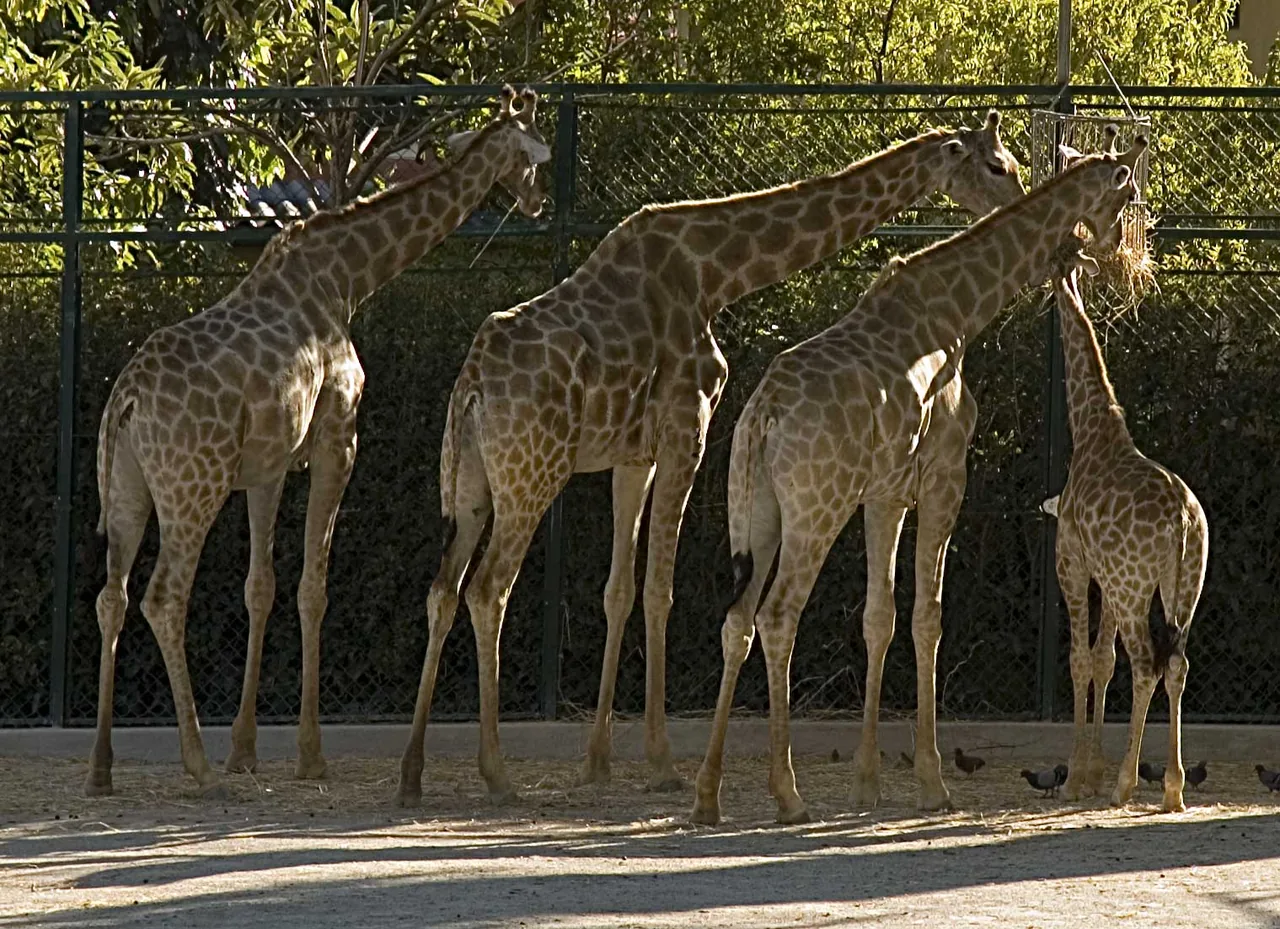
Lisbon Zoo occupies an old estate in Sete Rios, with animal habitats, trees and gardens spread across a substantial site. Giraffes, elephants and big cats are among its best-known residents. A cable car circles above the grounds, adding an unusual perspective to a day that is otherwise spent largely on foot.
The variety gives families plenty of choice, but trying to see everything at the same pace can turn a pleasant visit into a long march. Choose a few animals you particularly want to watch and let those shape the day. A quiet interval beside one habitat can be more memorable than a rapid circuit of the whole zoo. The planting and shade help make those pauses enjoyable.
The zoo suits visitors who want a substantial outdoor outing, particularly families with an interest in animals. It can also appeal to adults travelling without children. Anyone with strong views about captive wildlife or animal presentations should consider the kind of experience they want before choosing it.
Look closer
The scale of the larger animals is part of the appeal, especially for children seeing them closely for the first time. Watch how they move and feed rather than immediately looking for the next enclosure. Use the zoo map to choose the animals that matter most to your group, then leave time for the smaller things you notice along the way.
Tigers and other cats reward patience. An animal resting in shade may be difficult to see at first, and it is better to return later than to expect constant activity. Read the information beside the habitat while you wait. It helps distinguish the species and connects an individual animal with the pressures facing its wild relatives.
The open gondolas give a different sense of the zoo’s size, passing above habitats and treetops. The ride is an additional way to see the site, rather than a means of reaching a particular enclosure. Treat it as a bonus: operation depends on conditions, and a windy or wet day may mean it cannot run. The zoo remains a substantial visit without it.
Do not give all your attention to the largest mammals. Birds, reptiles and smaller animals can be just as absorbing, especially when you stop to look for movement and behaviour. The established planting is part of the experience too. Break up the visit with time in the shade, rather than saving every pause until everyone is tired.
The visitor perspective
Variety, greenery and the cable car are recurring pleasures in the reviews we read. Families describe spending several hours watching animals, while some visitors are pleasantly surprised by the gardens and shade. The ride above the grounds is often a highlight when it is running, adding something different to the walking route.
The reservations deserve attention too. Some visitors find admission expensive, and a number describe certain enclosures as dated. Views on animal presentations are divided, with some people objecting particularly to performances involving dolphins. These are visitors’ assessments of the experience, not an independent welfare inspection.
Plan around the animals you want to observe, leave time for breaks and accept that not every animal will be visible. Time spent watching a few favourite animals often produces the most memorable moments. If the cable car is unavailable, the day should still have enough interest on the ground to justify the trip.
Visitor feedback reviewed:
The story
Lisbon Zoo opened in 1884 at São Sebastião da Pedreira. It moved to Palhavã before settling at Quinta das Laranjeiras in Sete Rios in 1905. The estate setting helps explain the mature grounds and the mixture of garden features and purpose-built animal spaces.
Its early history reflects the collecting practices of nineteenth-century Europe, when animals were brought from overseas for public display. The institution later changed its emphasis as ideas about animal care and the purpose of zoos developed. Modernisation became a major part of its work from the late twentieth century.
Today the zoo describes conservation, research and education as central to its role. Its work includes participation in managed breeding programmes and support for projects concerned with animals in the wild. Those activities are different from a claim that every animal on display will be released. Reading about individual species can make that distinction clearer during a visit.
Planning your visit
For current opening hours and ticket details, visit the official website.
Official visitor information ↗The area
The entrance is on Estrada de Benfica, close to the Jardim Zoológico Metro station and Sete Rios transport interchange. This is north of the historic centre, so it works best as a planned part of the day. Give the zoo its own block of time rather than trying to squeeze it between short visits in Baixa or Belém.
This is a route through the city. The map marks a reference point to help you find your bearings.
 Open map
Questions about this place
Allow roughly three to five hours, depending on your interest and the pace of your group. Families who want frequent breaks or a more complete circuit may prefer to give it most of the day.
It is a distinctive extra, but the animal habitats and grounds form the main visit. The ride passes above the site and returns to its starting point. Weather and operational conditions can affect whether it runs.
Yes, if you enjoy watching animals and want time outdoors. There is no need to follow a family-style programme. Choose a few species you are interested in and take time to observe them.
The zoo is a largely outdoor visit with a broad range of land animals, birds and other species. The Oceanarium centres on marine life in a predominantly indoor setting. They offer different experiences, so choose according to your interests rather than assuming you need both.
No. Animals may be resting, sheltering or using parts of their habitat out of view. Patience and a return visit to a favourite enclosure are often more useful than expecting every animal to be visible at once.
More of Lisbon
Visitar editorial team
Based on official visitor information, historical and collection records, and a sample of individual traveller reviews.
Visit times are estimates. The guide is based on published sources; it does not include an on-site inspection. Photograph dates appear in the gallery captions.
Content reviewed: · Visitar.com
Image resized for display; full source and licence linked.