The nave & memorial
20–35 min
Time to examine the church’s surviving stonework and read the memorial in the square outside.
Historic church · Rossio
Igreja de São Domingos
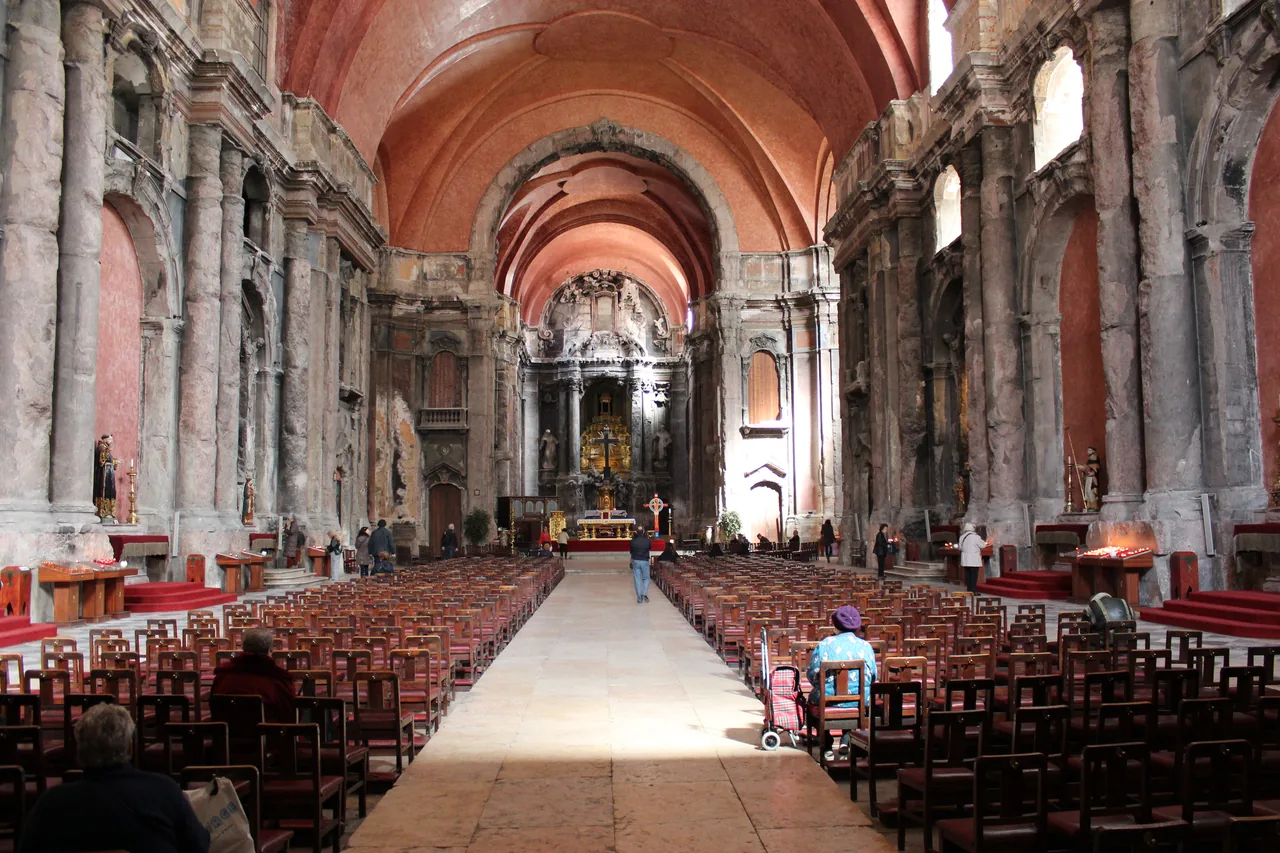
Darkened columns and fractured stone remain visible beneath a restored red vault, making São Domingos an unusually affecting church to visit.
At a glance
20–35 min
Time to examine the church’s surviving stonework and read the memorial in the square outside.
Photographs


What to see
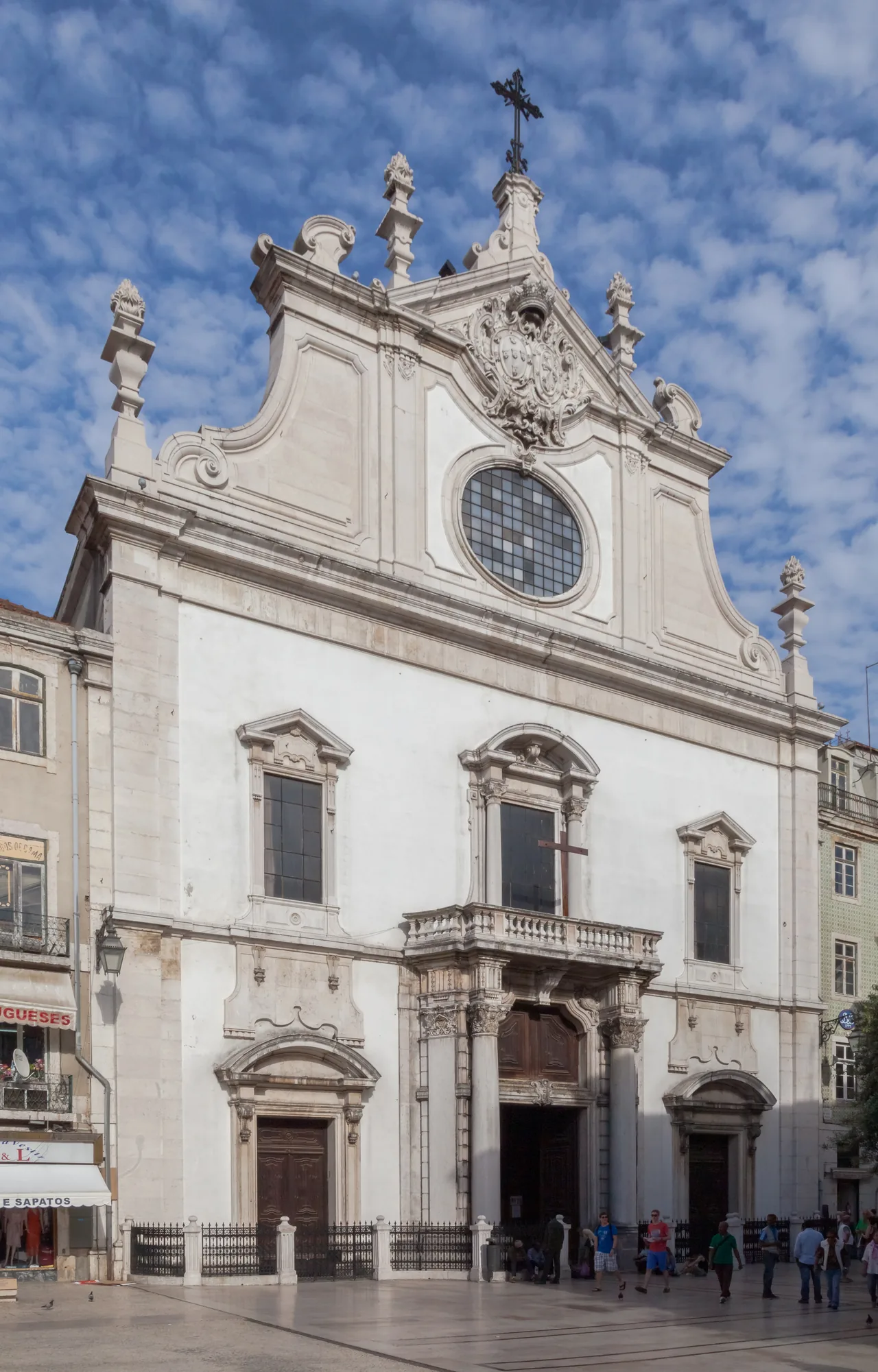
A few steps from Rossio, São Domingos looks unremarkable enough from the square. Inside, the damaged stonework changes everything. Columns and altar surrounds still carry the scars of a devastating fire, while the warm colour of the restored vault gives the nave an almost startling contrast. This is a working church, not a ruin.
The decision to leave so much damage visible makes you look differently at the building. Surfaces that would normally form a polished background become the subject of the visit. Outside, a memorial recalls the massacre of 1506, connecting the church to a much older and deeply troubling episode. Both deserve attention; they tell different stories and should not be confused.
São Domingos suits visitors interested in architecture, religious history and the way a city remembers difficult events. It is a compact stop that can leave a strong impression. Come prepared to look quietly, particularly when people are praying, rather than treating the damaged interior simply as an unusual photograph.
Look closer
Look at the columns from close enough to see the changes in their surface, while keeping to the visitor areas. The roughness, dark patches and fractures are not a decorative treatment. They are surviving evidence of the fire of 1959. Compare them with the restored vault above to understand how old damage and later repair coexist.
The red and ochre tones overhead give the church a striking appearance, especially after the brightness of the square. Take in the whole room before concentrating on details. The contrast between the warmer restored surfaces and the scarred stone is more revealing than any one close-up.
The main chapel retains the imposing architectural arrangement associated with João Frederico Ludovice. Its columns and framing help you imagine the church before the fire, without disguising what happened afterwards. Look at the proportions as well as the damaged surfaces: this was designed as an impressive setting for worship, and it still functions as one.
Outside, the memorial commemorates the victims of the massacre of 1506. Read it rather than passing it as another piece of street furniture. The violence targeted New Christians, people of Jewish origin who had been forced to convert. This part of the visit concerns persecution and remembrance, not the much later fire inside the church.
The visitor perspective
Visitors repeatedly describe being surprised by the interior. The combination of damaged stone and warm red vaulting stands out, even for people who have already visited several churches. In the accounts we read, learning about the fire often turns an initially puzzling appearance into the most memorable part of the stop.
Not everyone finds it beautiful. Some accounts describe the space as dark or unsettling, while others find the surviving scars deeply moving. Those responses are understandable: the church offers a very different experience from an immaculate gilded interior.
Allow a little time for the explanation as well as the photograph. The building is easier to appreciate once you understand why its surfaces look this way. A short visit can be enough, provided you also pause at the memorial outside and recognise that it recalls a separate event.
Visitor feedback reviewed:
The story
The Dominican church originated in the thirteenth century and was repeatedly altered over the centuries that followed. The earthquake of 1755 caused major destruction. What you see today therefore contains several periods of building and rebuilding, rather than a single intact medieval interior.
In April 1506, violence associated with events at São Domingos spread into a massacre of New Christians across the city. Dominican friars helped incite the attacks. The memorial installed in the square in 2008 acknowledges the victims and gives a public place to a history that cannot be understood through the architecture alone.
A fire in 1959 devastated the interior. During restoration, much of the damaged stone was left exposed. That choice explains the church’s appearance today: a roofed, functioning place of worship whose surfaces retain evidence of catastrophe. The roughness is part of what the building communicates, not a sign that you have entered an abandoned monument.
Planning your visit
For current opening hours and ticket details, visit the official website.
Official visitor information ↗The area
The church stands on Largo de São Domingos, off the north-eastern corner of Rossio. It is easy to combine with a walk around Praça da Figueira and the streets leading into Mouraria. Pause in the small square before or after going inside: the memorial to the victims of the 1506 massacre is essential context for the place.
Baixa area guideWhat to see, how to get around and where to stay. Open map
Questions about this place
A major fire damaged the church in 1959. Restoration retained much of the affected stonework, so the marks remain visible within a functioning church.
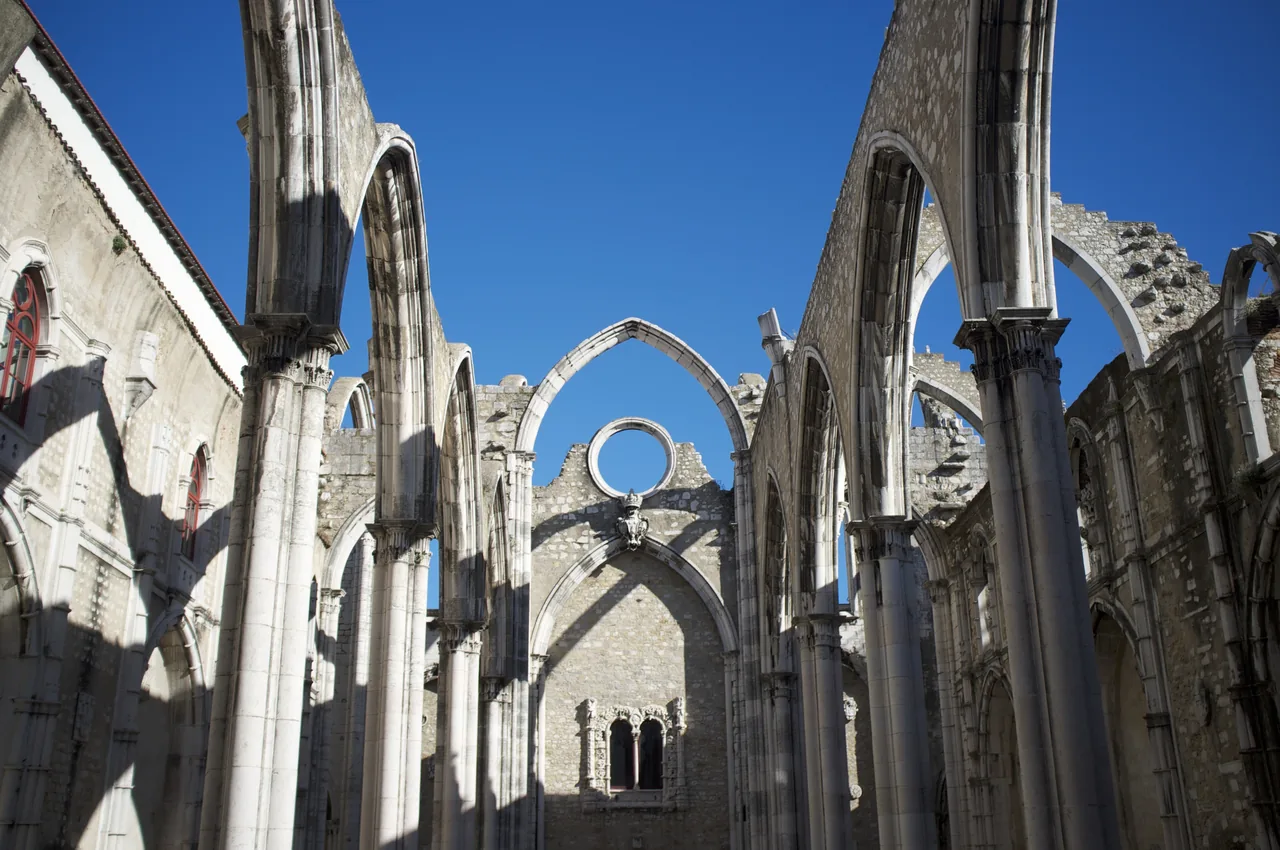
No. The church is roofed and remains a place of worship. Its scarred interior is quite different from the roofless nave at the Carmo Convent.
The victims of the Lisbon massacre of 1506, when violence targeted New Christians of Jewish origin. It is unrelated to the twentieth-century fire that damaged the interior.
About 20–35 minutes gives you time to look carefully at the nave and pause at the memorial. The importance of the stop lies in understanding what you see, rather than covering a large site.
More of Lisbon
Visitar editorial team
Based on official visitor information, historical and collection records, and a sample of individual traveller reviews.
Visit times are estimates. The guide is based on published sources; it does not include an on-site inspection. Photographs come from credited sources and may show earlier displays or arrangements.
Content reviewed: · Visitar.com
Image resized for display; full source and licence linked.