Collections & selected galleries
90–150 min
Time for an attentive visit to the museum, with space to linger over favourite works. Covering every exhibition may take longer.
Modern & contemporary art museum · Belém
MAC/CCB - Museu de Arte Contemporânea e Centro de Arquitetura
Modern painting, sculpture and contemporary art in Belém’s cultural centre, with courtyards and terraces for a pause between galleries.
At a glance
90–150 min
Time for an attentive visit to the museum, with space to linger over favourite works. Covering every exhibition may take longer.
Photographs


What to see
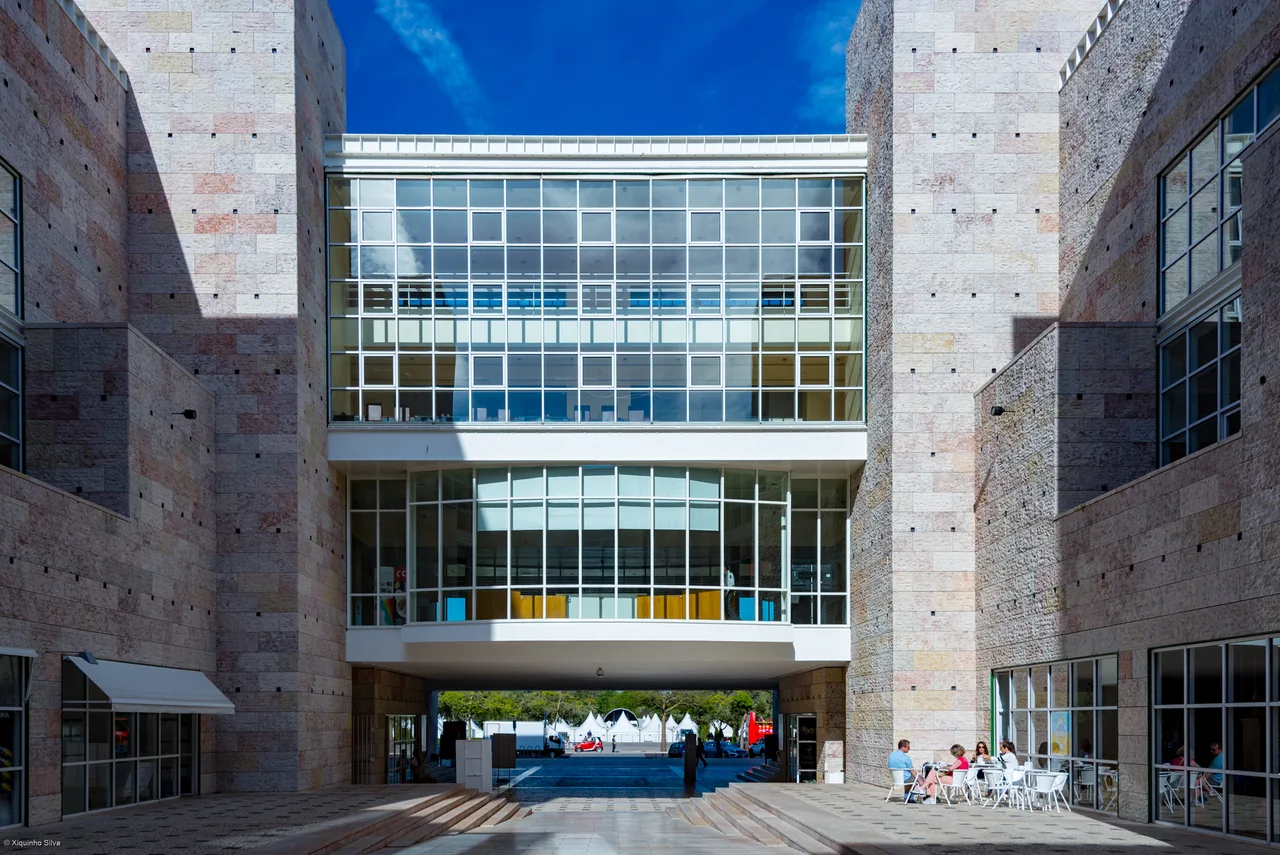
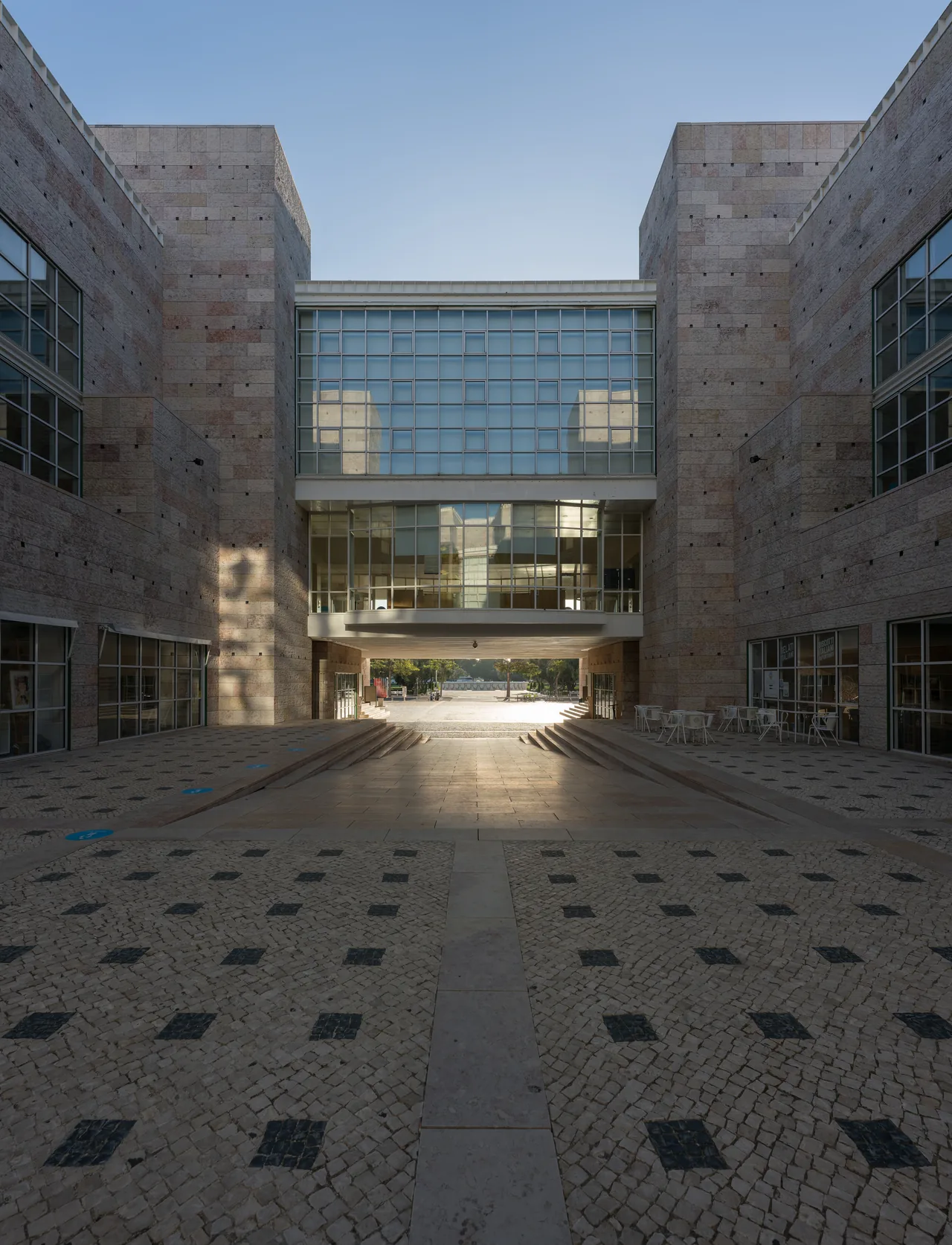
Inside the stone complex of Centro Cultural de Belém, MAC/CCB brings modern and contemporary art into a district better known for royal and maritime monuments. The museum draws on several collections, including the Berardo collection, and gives visitors a broad range of approaches to painting, sculpture and other forms of art.
You can come for familiar names, but the more interesting visit leaves room for unfamiliar work. Notice how an artist uses colour, how a sculpture occupies space or how an image changes when you see its true size. The galleries invite comparisons across different kinds of work. Give yourself time with the works that catch your eye, rather than feeling obliged to understand everything on display.
This is a strong choice for anyone interested in twentieth-century art, contemporary practice or architecture. It can also work for a curious newcomer willing to spend time with a few pieces. If your main interest is old master painting or furnished historic rooms, choose a museum with that focus instead.
Look closer
The collection covers a wide sweep of modern art, from early twentieth-century experiments to later movements. Its holdings include major international names, but a list of artists is not a promise that every work will be on display. Use the gallery introductions to understand the selection you encounter, then choose a few pieces to examine in depth.
A painting can behave very differently in front of you than on a screen. Look for the thickness of the paint, the relationship between neighbouring colours and the size of the work compared with your body. These simple observations are particularly useful when an abstract picture initially seems difficult to approach.
Alongside the Berardo collection, the museum works with other holdings, including the Ellipse and Teixeira de Freitas collections and the State contemporary art collection. The programme also includes architecture. This broader remit makes it worth reading the overview on arrival rather than assuming the visit will follow a single chronological history of painting.
The passages, stone walls and courtyards are part of the pleasure of coming here. After concentrating on art, step outside and look at the building itself. The repeated openings and shifts between enclosed and open space offer an architectural experience that is quite distinct from the monuments across the road.
The visitor perspective
The range of art and the opportunity to spend time with individual works are recurring strengths in the accounts we read. Visitors describe discovering unfamiliar artists alongside recognisable names, and several appreciate a less hurried gallery experience. The building and its outdoor spaces also contribute to the enjoyment of a visit.
Responses depend strongly on taste. Some reviewers enjoy the contemporary displays; others find particular exhibitions difficult to connect with. Dense explanatory language is another reservation. That is a reason to choose your focus, rather than assume every room will be equally rewarding.
Leave time to look without trying to master the entire collection. Follow the works that hold your attention, and use the cultural centre’s courtyards and terraces for a break. The combination of art and setting can make a fuller visit than simply working through the galleries as quickly as possible.
Visitor feedback reviewed:
The story
Centro Cultural de Belém established a substantial setting for exhibitions, performance and public life in the early 1990s. Architects Vittorio Gregotti and Manuel Salgado designed a complex of connected buildings and outdoor spaces, rather than a single isolated hall. That arrangement still shapes the way a visit unfolds.
The exhibition centre later became closely associated with the Berardo Museum. MAC/CCB opened in 2023 with a wider institutional remit for contemporary art and architecture. Older guidebooks may use the previous name, but it is the same cultural complex, not a second museum elsewhere in Belém.
The collections give the museum a broad range of work to draw on. The Berardo holdings provide an important account of international modernism; the wider collections and architecture programme extend the range. Displays change, so the enduring reason to visit is that breadth rather than a particular temporary exhibition.
Planning your visit
For current opening hours and ticket details, visit the official website.
Official visitor information ↗The area
MAC/CCB is part of Centro Cultural de Belém, close to Jerónimos Monastery and the gardens leading towards the waterfront. The cultural centre has several entrances and different venues, so follow the signs for the museum once inside the complex. Its courtyards and outdoor spaces provide a welcome pause between the galleries and the surrounding monuments.
This is a route through the city. The map marks a reference point to help you find your bearings.
 Open map
Questions about this place
It occupies the museum spaces within Centro Cultural de Belém. MAC/CCB opened in 2023 with a broader remit, and the Berardo collection remains an important part of its holdings.
Modern and contemporary art, drawn from several collections, alongside an architecture programme. Expect a range of media and approaches rather than a museum devoted only to traditional painting.
Collection ownership does not guarantee display on every visit. If one work is the main reason for coming, confirm that with the museum. The guide describes the collection’s scope rather than a fixed hanging.
Around 90–150 minutes works for a focused visit. Art enthusiasts who want to read closely and explore several exhibitions should allow longer.
More of Lisbon
Visitar editorial team
Based on official visitor information, historical and collection records, and a sample of individual traveller reviews.
Visit times are estimates. The guide is based on published sources; it does not include an on-site inspection. Photographs come from credited sources and may show earlier displays or arrangements.
Content reviewed: · Visitar.com
Image resized for display; full source and licence linked.