The viewpoint & shaded terrace
30–45 min
Time to study the panorama, see the memorial to Sophia and pause beneath the trees. Add a separate allowance for the uphill approach.
Viewpoint & public terrace · Graça
Miradouro da Graça / Sophia de Mello Breyner Andresen
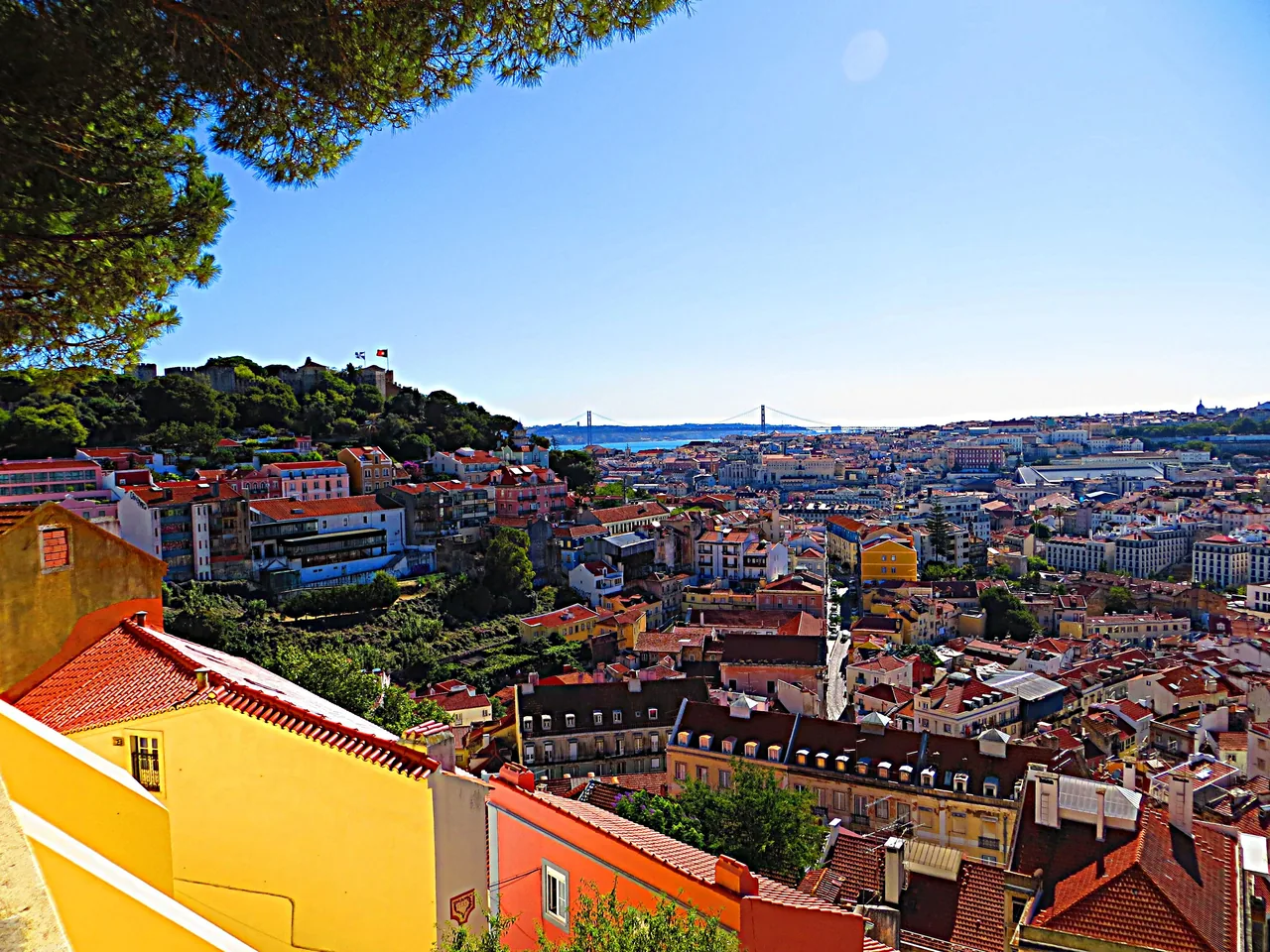
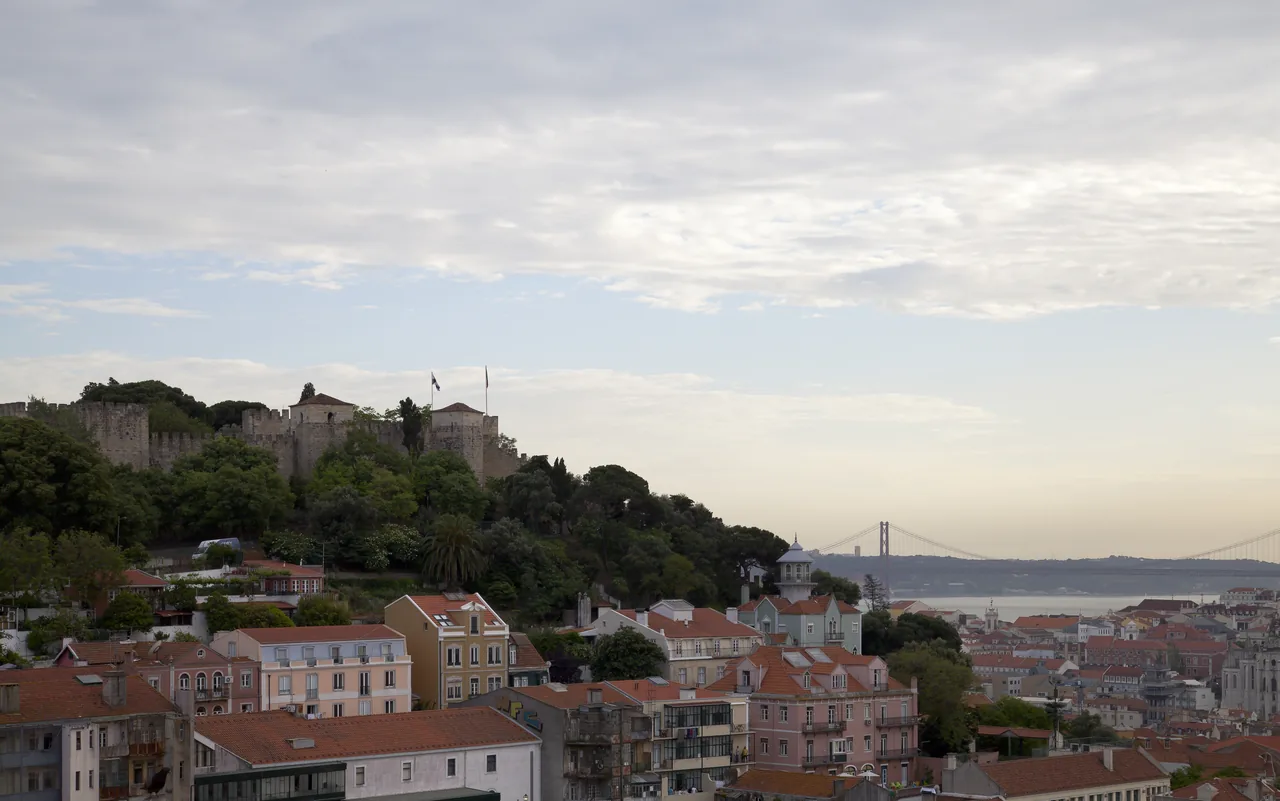
Pine trees shade a terrace beside Graça’s church, with the castle on the next hill and the Tagus beyond. Come with enough time to sit down and enjoy the view.
At a glance
30–45 min
Time to study the panorama, see the memorial to Sophia and pause beneath the trees. Add a separate allowance for the uphill approach.
Photographs


What to see
Miradouro da Graça offers more than a quick look over a parapet. The trees, café tables and broad terrace make it a place to spend time, with a view across the castle hill and the roofs of the centre. Its official name honours the poet Sophia de Mello Breyner Andresen, whose bust stands beside the panorama.
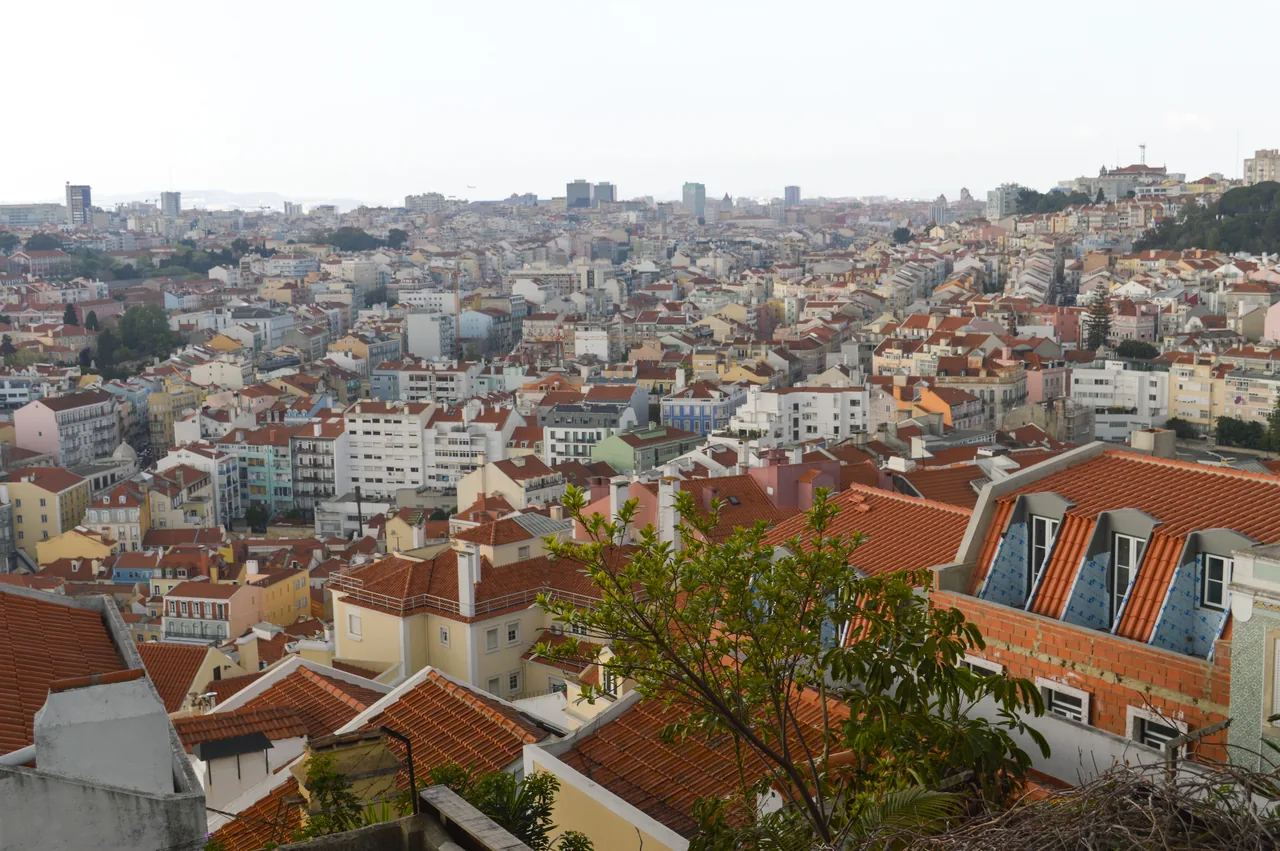
The castle is close enough to read as a building on a hill, rather than a tiny shape on the horizon. Beyond it, the city spreads towards the river. That clear arrangement makes Graça a useful place to understand the geography of a walk you have already taken. Find Baixa below, trace the slopes around it, then put the map away and enjoy sitting above it all.
The terrace suits anyone who would rather linger over one view than collect several in quick succession. It is a good stop for photographers and for travellers exploring Graça on foot. The approach through the hills is part of the outing, so make a realistic allowance for getting here as well as time at the viewpoint.
Look closer
Start with São Jorge Castle. From here, its walls sit clearly above the surrounding houses, making the shape of the hill easier to understand than it is from the lanes below. Let your eye travel down from the fortifications into the streets. The relationship between the monument and the residential city is what makes this angle especially useful.
The view continues across densely packed roofs towards the river. Baixa’s lower position gives you a point of reference between the hills. Rather than trying to fit everything into a single photograph, choose a smaller section and study how streets, roofs and larger buildings sit together. The broad panorama becomes more interesting when you can read part of it.
The trees give the viewpoint a different character from a bare rooftop. There is somewhere to stand back from the edge, sit for a while and let the scene change around you. A drink at the café is one way to do that, but the public terrace is an attraction in its own right.
The bronze bust commemorates Sophia de Mello Breyner Andresen, one of Portugal’s major twentieth-century poets. It gives the viewpoint a quieter subject than the city below. Read the name and pause beside the memorial before moving on; the official title of the terrace then becomes a person, rather than a long phrase on a map.
The visitor perspective
The view of the castle and river is the clearest attraction in the accounts we read, but visitors also appreciate having a terrace where they can pause. The trees and café setting make this more than a photograph stop for many people. Some describe a particularly welcome rest after walking up through the city.
The uphill approach is a recurring reservation, especially in hot weather. Others mention busy periods or café prices. These comments concern the experience around the view as much as the panorama itself: a rushed climb followed by a crowded table will feel different from an unhurried stop beneath the trees.
Allow a little breathing space in your route. Take in the view first, then decide whether to have a drink or continue through Graça. The public terrace gives you that choice without making a purchase the reason for being there.
Visitor feedback reviewed:
The story
The terrace takes its everyday name from the neighbouring church and convent of Graça. That position explains its character: a public space beside a religious complex, with a clear outlook from the edge of the hill. The church, terrace and surrounding neighbourhood are closely connected, but they should not be mistaken for one ticketed attraction.
The formal name, Miradouro Sophia de Mello Breyner Andresen, commemorates a poet born in 1919 who became the first Portuguese woman to receive the Camões Prize. Her writing holds an important place in Portuguese literature. The bust is based on a portrait by the sculptor António Duarte.
The dedication was made in 2009, five years after her death. Most visitors still know the spot simply as Miradouro da Graça. Both names refer to the same terrace, and both tell you something about it: one places it within its neighbourhood, while the other gives it a literary association.
Planning your visit
For current opening hours and ticket details, visit the official website.
Official visitor information ↗The area
The viewpoint sits on Largo da Graça, next to the church and convent complex. Shops and cafés along the neighbourhood’s main streets make it easy to continue your visit away from the terrace. Senhora do Monte is another viewpoint higher in the district; it is a separate place, with a different panorama and a further climb.
Graça area guideWhat to see, how to get around and where to stay. Open map
Questions about this place
Miradouro Sophia de Mello Breyner Andresen. It is widely known as Miradouro da Graça, after the neighbourhood and neighbouring church.
No. This guide describes the public outdoor terrace. Visits within the neighbouring church or to other roof spaces have their own arrangements.
No. Senhora do Monte is another viewpoint farther uphill. Graça has the pine-shaded terrace beside the church and a closer relationship with the castle hill.
Around 30–45 minutes is a comfortable allowance for the view and a short pause. It can be a much longer stop if you settle at a café, but the journey up should be planned separately.
More of Lisbon
Visitar editorial team
Based on official visitor information, historical and collection records, and a sample of individual traveller reviews.
Visit times are estimates. The guide is based on published sources; it does not include an on-site inspection. Photograph dates appear in the gallery captions.
Content reviewed: · Visitar.com
Image resized for display; full source and licence linked.