A short section of the route
15–30 min
A short stretch is enough to enjoy the historic carriage and the streets along the way. Time aboard depends on the stops you choose and the traffic.
Historic tram route · Graça, Alfama, Chiado & Estrela
Elétrico 28E
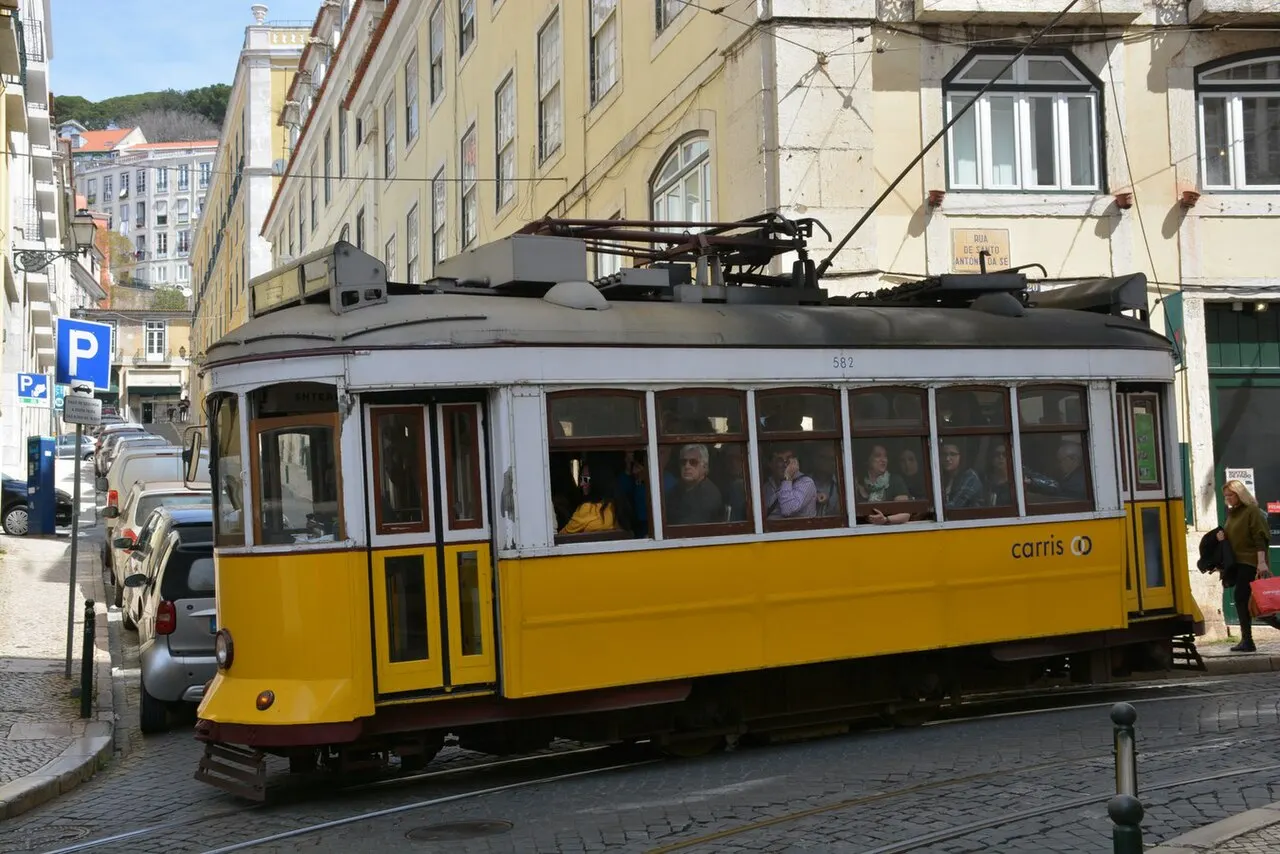
Ride a yellow tram through the narrow streets and steep hills of old Lisbon. A short journey leaves time to explore the neighbourhoods along the way.
At a glance
15–30 min
A short stretch is enough to enjoy the historic carriage and the streets along the way. Time aboard depends on the stops you choose and the traffic.
45–60 min
Allow more time for a longer journey through several neighbourhoods. Traffic can slow the ride, and a queue to board will add to the time you need.
Photographs


What to see
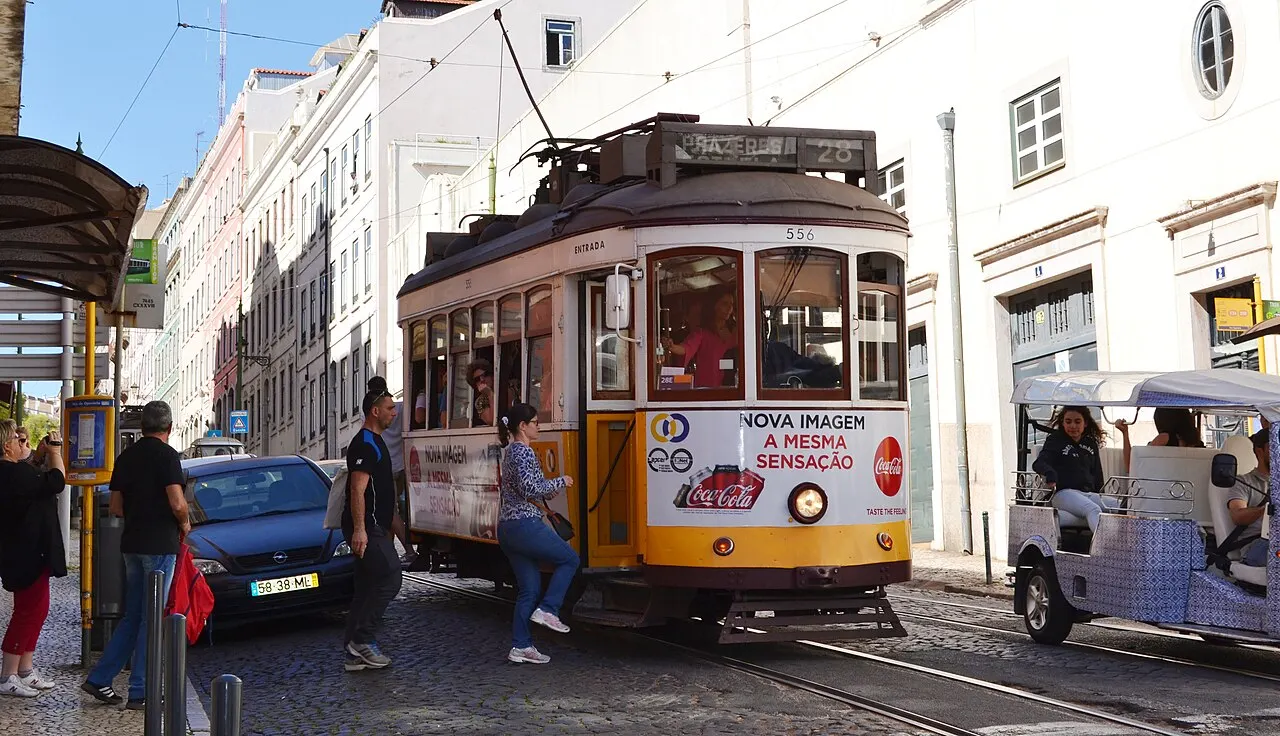
Tram 28 squeezes through narrow streets, rounds tight corners and climbs the hills of old Lisbon. At times, the tiled buildings seem almost within touching distance of the windows. The historic carriage is part of the attraction, but so is the view of everyday street life along the way. Choose a stretch that suits your plans and leave time to explore on foot afterwards.
The ride is most enjoyable when you can see out and have somewhere you want to get off. Use it to connect neighbourhoods you are already visiting, or take a longer journey if historic transport is a particular interest. A crowded tram can offer a limited view, especially if you are standing, so it is worth keeping your plans flexible. You can enjoy the carriage and its narrow streets without riding the entire line.
Transport enthusiasts will enjoy the historic carriages, and a short ride can be a memorable part of a first visit to Lisbon. Families and larger groups may need patience, since space is limited on busy services.
Look closer
Around São Vicente and Alfama, the tram passes close to buildings and turns corners that seem barely wide enough for it. Watch how the rails fit into the street as you travel. Keep arms and cameras inside the carriage; the gap between the windows and the buildings can be very small.
The viewpoints at Portas do Sol and Santa Luzia and the streets around the cathedral are worth exploring on foot. Use the tram for part of your journey, then leave time to walk through this side of the old city. You will see more of the neighbourhood once you are out of the carriage.
The streets broaden in Baixa before the route climbs again towards Chiado and Praça Luís de Camões. Finishing a ride around here gives you plenty of places to continue on foot. It is a useful option if you want a short journey followed by a walk through the centre.
A longer ride takes in Estrela and Campo de Ourique as well as the better-known old-city streets. These neighbourhoods give you another reason to continue if you have time to explore them. Allow for traffic and stops along the way, since the journey is part of the public transport network and has no guaranteed sightseeing duration.
The visitor perspective
Visitors who enjoy Tram 28 tend to mention the old-fashioned carriage, the bends and hills, and the buildings passing close to the windows. In the reviews we read, these details often make the journey memorable. Transport enthusiasts appreciate the tram itself, while other visitors enjoy seeing the streets from a different angle before getting off to explore.
The wait is the main drawback. Several reviewers describe enjoying the ride but question whether it was worth the queue. Crowding can also make it hard to see much, particularly when standing. An ordinary ticket does not reserve a seat, and the tram has none of the commentary you would get on a guided tour.
Choose a section that connects neighbourhoods you want to visit, and try another time if the queue is too long. A short ride lets you enjoy the tram while leaving much of the day for walking and sightseeing. The full route is more likely to suit someone with a particular interest in the trams or the neighbourhoods further west.
Visitor feedback reviewed:
The story
Lisbon's electric trams began running in 1901, replacing horse-drawn vehicles on rails. The small historic cars are still closely associated with the older neighbourhoods, where narrow streets and tight bends leave little room between the tram and the buildings. Their size makes more sense once you have seen them negotiating these streets.
The traditional appearance hides later engineering work. CARRIS completed a major refurbishment of the historic trams in 1996 while keeping their exterior character. There are only 20 seats in a historic carriage, with additional room for standing passengers. That small interior explains why a tram can fill quickly and why groups cannot always sit together.
Route 28 remains part of Lisbon's public transport network. Residents use it for everyday journeys alongside visitors taking a sightseeing ride. Keep the doors and aisle clear, let passengers get off before boarding and give up priority seats when needed. These are small courtesies, but they matter on such a compact tram.
Planning your visit
For current opening hours and ticket details, visit the official website.
Official visitor information ↗The area
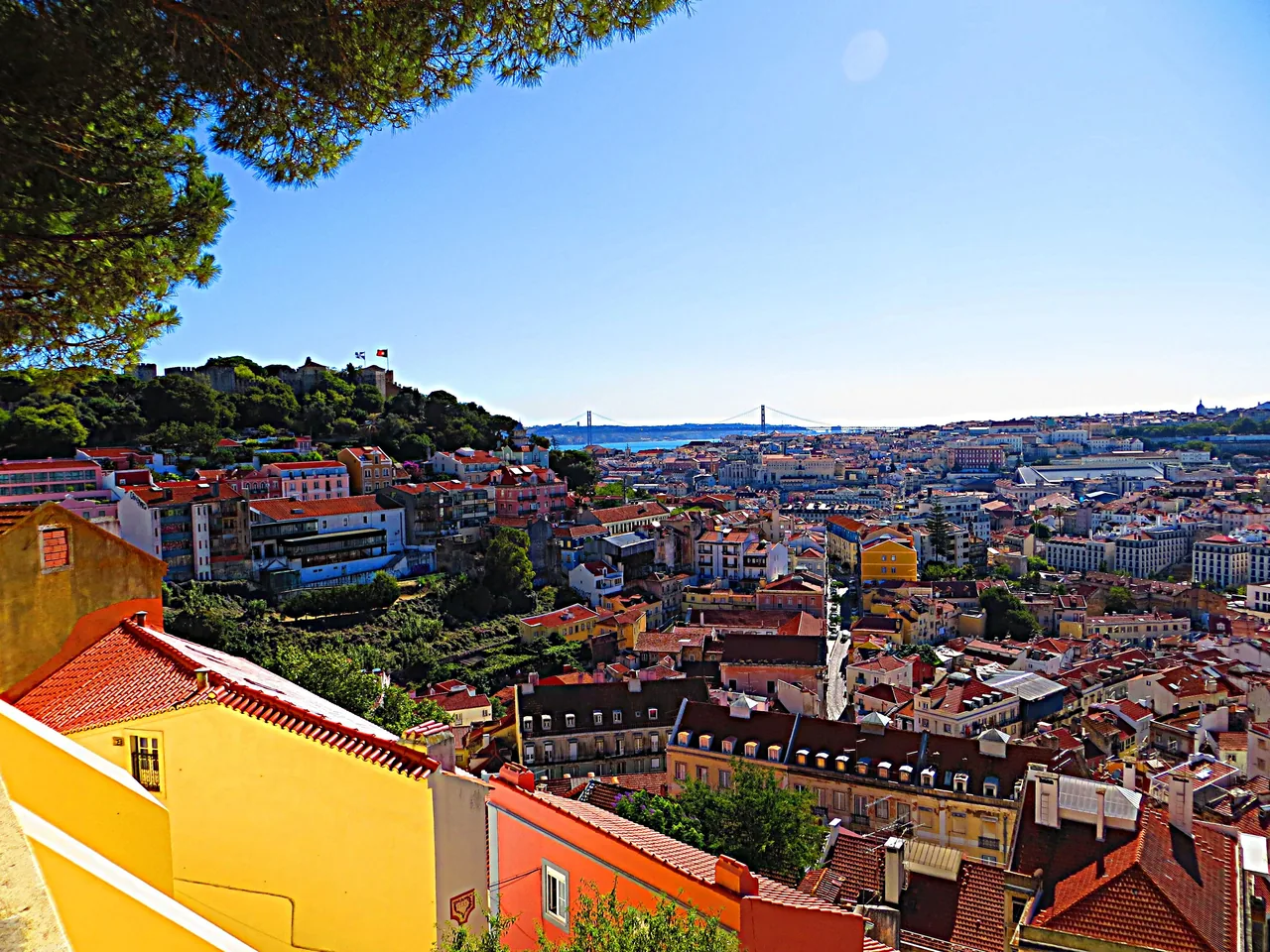
In Graça, you can combine a tram ride with a walk to the Miradouro da Graça, which looks across the city towards the river. The lanes and viewpoints around Alfama are also worth exploring on foot. Choose a section of the tram journey that brings you to somewhere you want to spend time.
This is a route through the city. The map marks a reference point to help you find your bearings.
 Open map
Questions about this place
No. It is a public transport service used by residents and visitors. There is no guided commentary or reserved seat. Whether your ticket covers another journey after you get off depends on the ticket you buy.
A longer ride can be worthwhile if you enjoy historic trams or want to visit Estrela and Campo de Ourique. For a short stay, a section linking places you already plan to see is often more useful. Crowding may limit the view, so keep some flexibility.
Yes, but allow time for a separate journey between them. Tram 28 runs through the old-city hills, while Belém is further west along the river. The monastery and tower each need time of their own, so avoid treating them as quick stops after a long tram ride.
The historic carriages have steps and do not offer continuous step-free access. CARRIS publishes information about adapted transport alternatives. Contact the operator about wheelchair or pushchair arrangements before relying on the tram for your journey.
More of Lisbon
Visitar editorial team
Based on official information, historical sources and a sample of traveller reviews.
Visitor information was checked on 16 September 2026. Visit times are estimates. The guide is based on published sources; it does not include an on-site inspection. Photograph dates appear in the gallery captions.
Content reviewed: · Visitar.com
Image resized for display; full source and licence linked.