The terrace & panorama
20–40 min
Time to enjoy the view, identify landmarks and look at the chapel exterior. Stay longer if you are waiting for a change in the light.
Hilltop viewpoint · Graça
Miradouro da Senhora do Monte
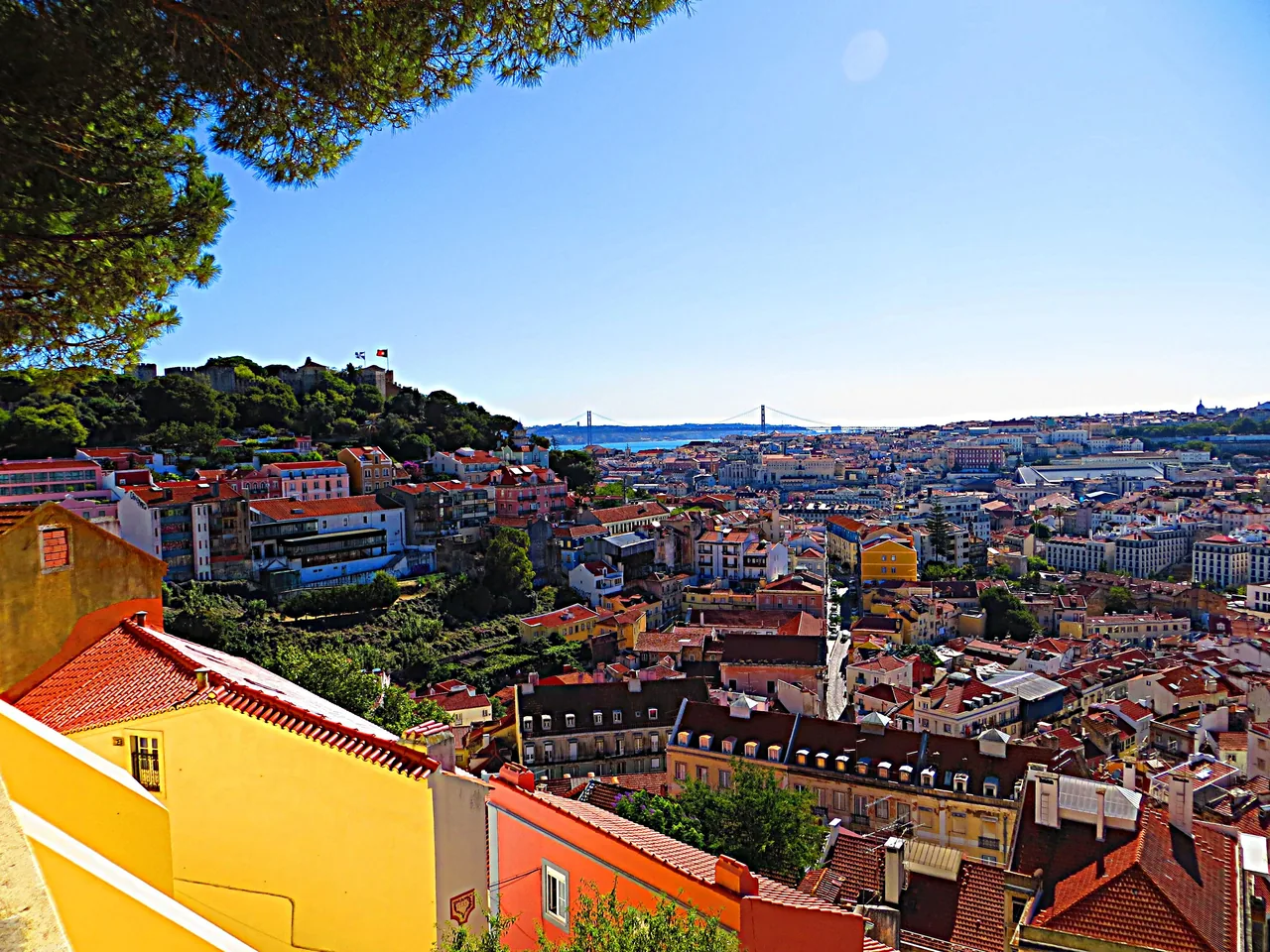
Climb above Graça for a broad view of the castle, the lower city and the Tagus. The small terrace beside the chapel is a place to stop and work out how the hills fit together.
At a glance
20–40 min
Time to enjoy the view, identify landmarks and look at the chapel exterior. Stay longer if you are waiting for a change in the light.
Photographs



What to see
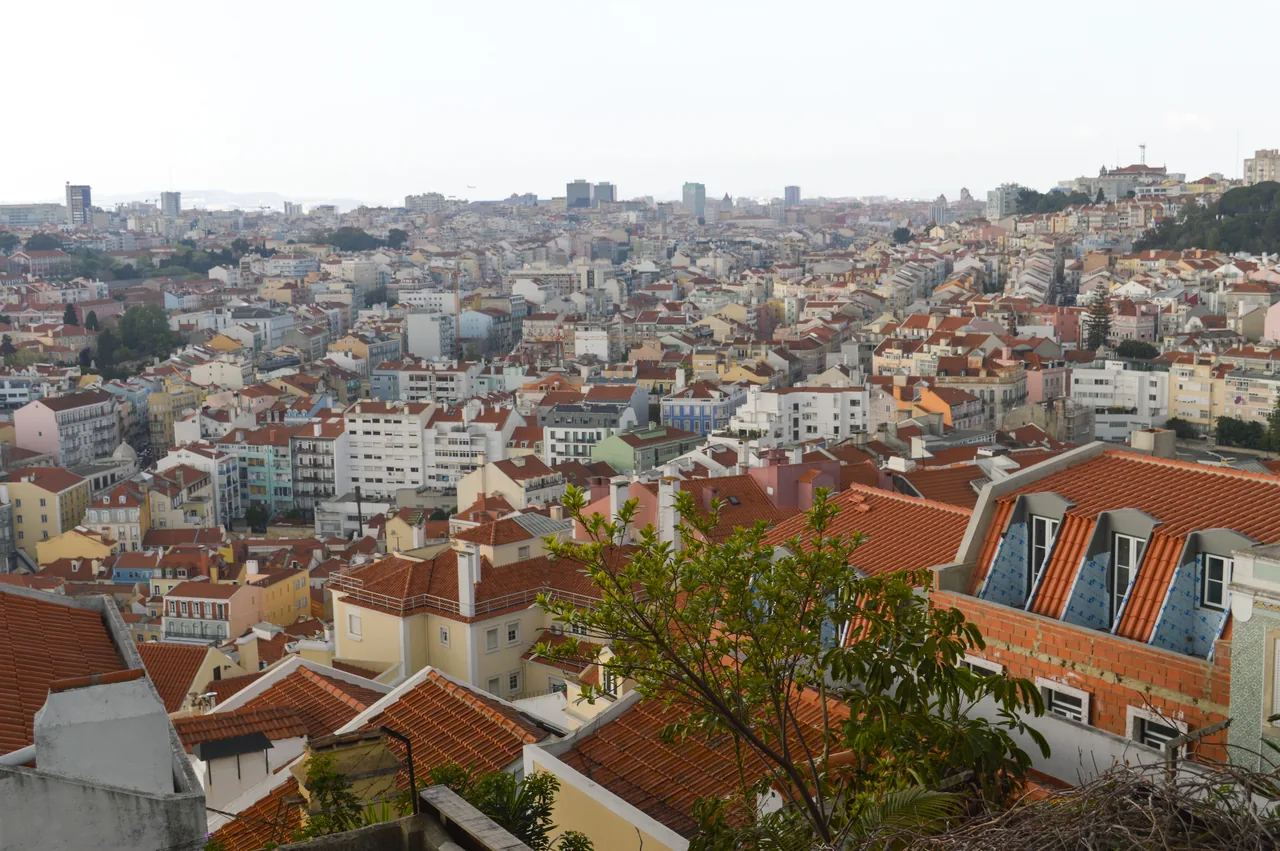
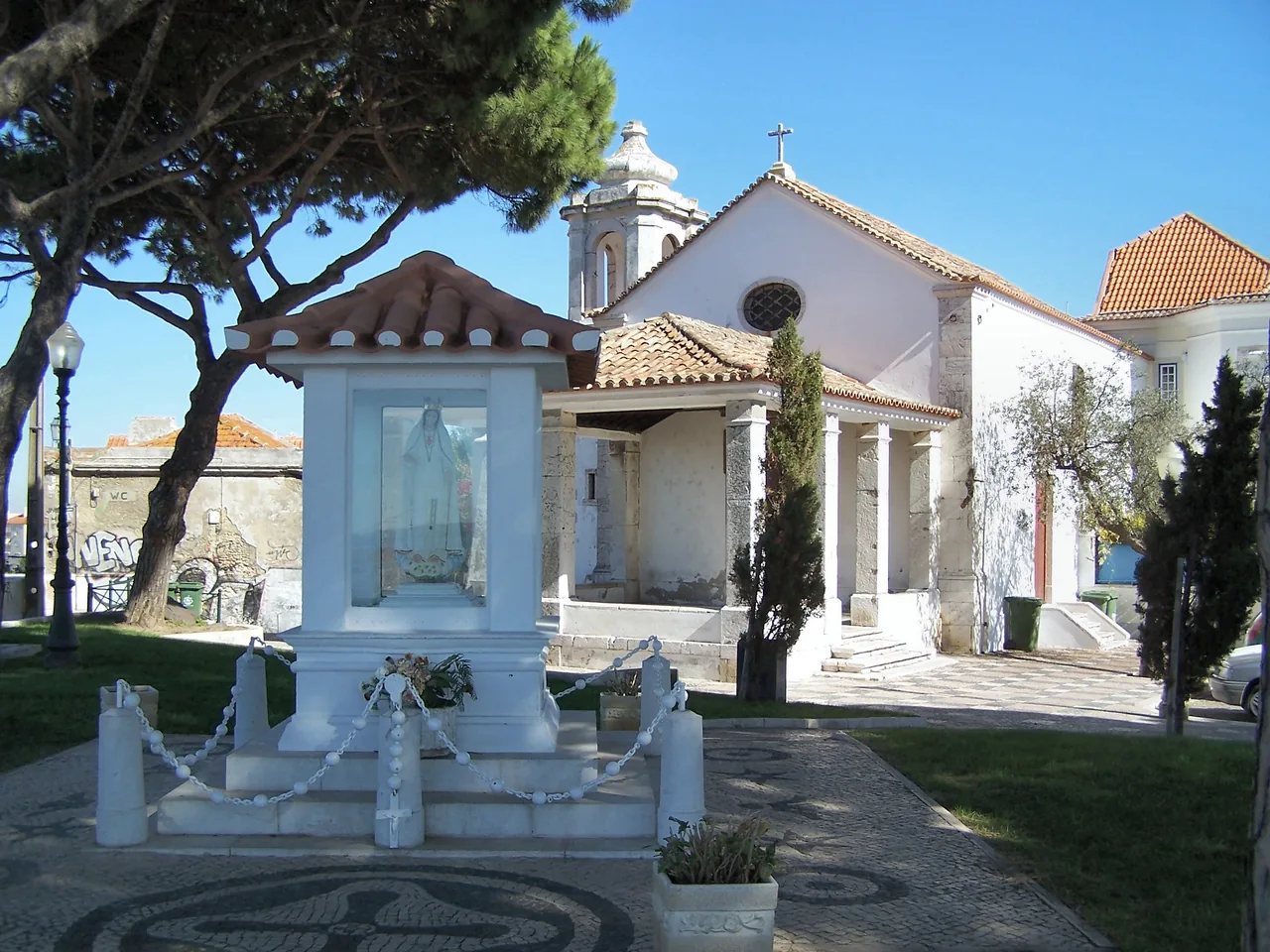
Senhora do Monte is a hilltop viewpoint above Graça, with a wide view across central Lisbon. The castle occupies a separate hill, Baixa lies below and the Tagus opens out beyond the roofs. A small chapel and trees soften the terrace, but it is the panorama that brings most people up here.
From this hill, you can see how the main landmarks relate to one another. Places that feel close together at street level occupy separate parts of a much larger scene. You can follow the line of a hill, find a church tower, then trace the lower streets towards the water. Stay long enough to identify a few places you have already visited, rather than taking a photograph and immediately heading downhill.
This is a good choice for anyone who enjoys city views and does not mind planning around a hilltop location. Photographers will find plenty to work with, but it is just as rewarding without a camera. A clear day matters more than reaching it at a particular hour.
Look closer
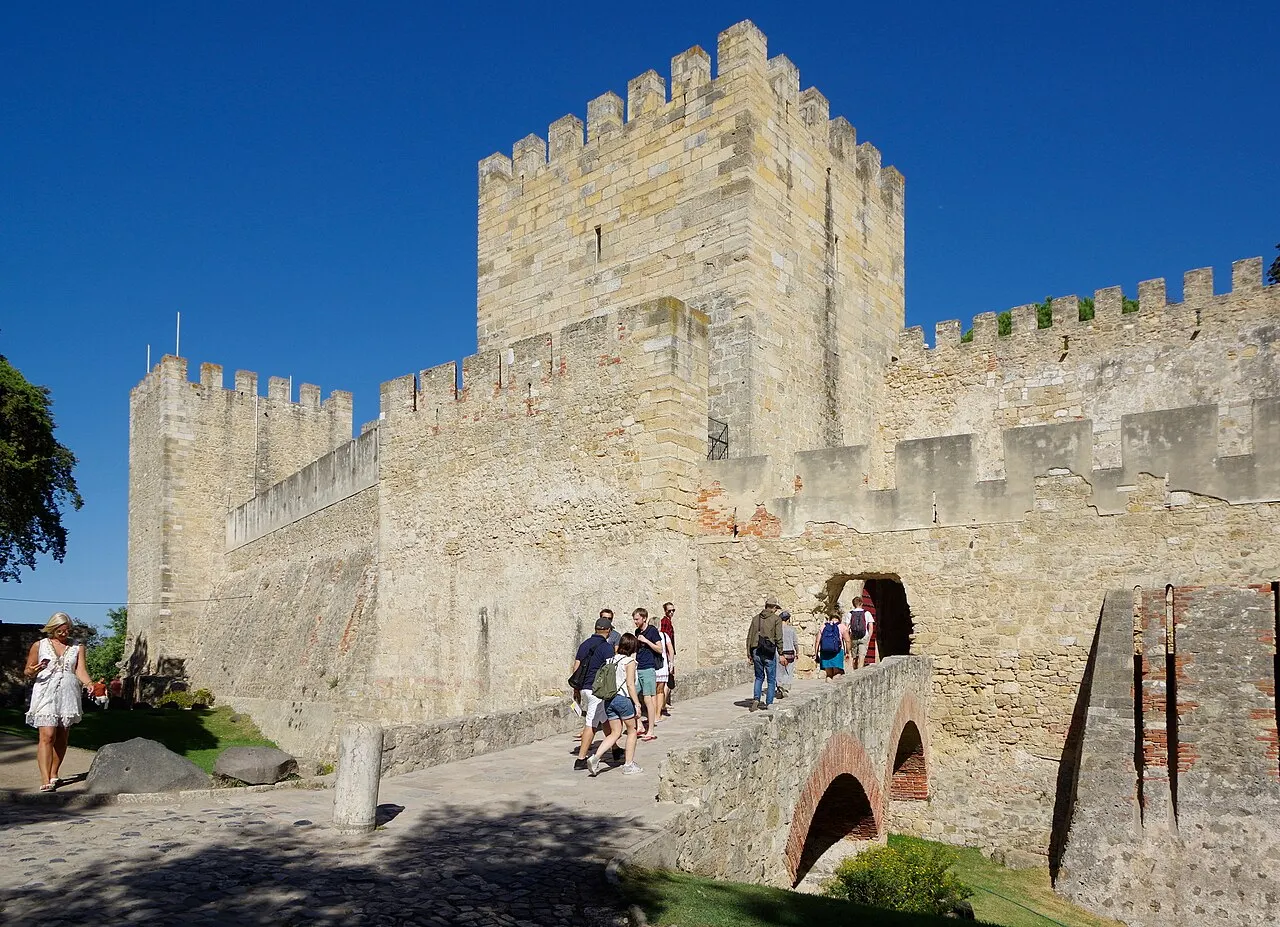
Find the castle first. From this distance, the walls sit within a larger landscape of houses, trees and sloping streets. It is a helpful change from views taken inside the castle, where you cannot see the whole hill it occupies. Look at the buildings immediately below the walls as well as the skyline: they show how closely the old city wraps around the fortifications.
Follow the roofs down towards the lower city and then towards the Tagus. The contrast between the hills and flatter central streets helps explain the route of many city walks. Rather than trying to fit everything into one wide photograph, choose a few smaller views. A church tower against the river or a cluster of roofs can be easier to appreciate than a distant panorama on a phone screen.
Turn away from the view for a moment to look at the small chapel. The hill has a religious history associated with São Gens, and the present building belongs to its later life after the earthquake. Its modest scale is a useful contrast to the city spread out below. Treat it as a place of worship, and do not assume that an interior visit forms part of a stop at the viewpoint.
The scene changes with the weather and time of day. Clear light helps you identify distant buildings; softer evening light draws attention to the roofs and river. If you stay as daylight fades, watch the city lights appear gradually rather than expecting a single perfect moment. Sunset is a popular reason to come, so the atmosphere may be sociable and busy rather than secluded.
The visitor perspective
The breadth of the view is the clear favourite in the accounts we read. Visitors enjoy seeing the castle, city and river together, often describing the stop as a reward for the uphill walk. Some particularly like the softer light late in the day, while others value a short pause that helps them understand the city’s geography.
The atmosphere is less predictable. Some accounts describe a peaceful stop; others mention groups, vehicles nearby and a busy terrace. Poor visibility can also make the climb feel less worthwhile. It is better to expect a popular viewpoint than a private retreat above the city.
Give yourself time to stand back and look, especially if people are gathered along the railing. If the weather is clear, there is plenty to enjoy without waiting for sunset. Combining the stop with a walk through Graça makes the outing worthwhile beyond the few minutes spent taking photographs.
Visitor feedback reviewed:
The story
Before it became a familiar stop for visitors, this hill was associated with São Gens, an early Christian figure in local tradition. The chapel keeps that connection alive. Its history gives the viewpoint a character beyond the view itself: people have climbed this hill for reasons other than photographs.
The chapel was rebuilt after the earthquake of 1755. A stone chair inside is linked in popular tradition with pregnancy and childbirth. That is a matter of religious belief and local custom, rather than a claim about medical effects. The small building remains part of the setting, even when its doors are closed.
The tiled panorama was made by the designer Fred Kradolfer in 1963. Such panels help turn a view into a readable picture of the city, naming places that can otherwise be difficult to distinguish. It belongs to a wider tradition of treating Lisbon’s terraces as places to spend time, with trees, seating and small details that reward more than a hurried stop.
Planning your visit
For current opening hours and ticket details, visit the official website.
Official visitor information ↗The area
The viewpoint is reached from Largo do Monte, north of the main streets of Graça. The neighbourhood’s other well-known terrace, Miradouro da Graça, lies closer to the church and convent of Graça. You can include both on a walk through the area, but they are separate viewpoints, with slopes between them.
Graça area guideWhat to see, how to get around and where to stay. Open map
Questions about this place
No. They are separate viewpoints in the Graça area. Senhora do Monte is further uphill beside its small chapel. Miradouro da Graça is beside the church and convent of Graça.
The panorama includes the castle hill, the roofs and lower streets of central Lisbon, and the Tagus beyond. How much detail you can see depends on the weather and visibility.
This is a public outdoor viewpoint, with no museum-style entry ticket. You can stop for a short look or spend longer enjoying the view.
Evening light can be lovely, but it also attracts visitors. Clear daylight is often better for identifying buildings and understanding the layout of the city. Choose the conditions and atmosphere you prefer.
Allow about 20–40 minutes for the terrace itself. That gives you time to look around without rushing. The journey uphill and any wider walk through Graça need their own allowance.
More of Lisbon
Visitar editorial team
Based on official visitor information, historical and collection records, and a sample of individual traveller reviews.
Visit times are estimates. The guide is based on published sources; it does not include an on-site inspection. Photograph dates appear in the gallery captions.
Content reviewed: · Visitar.com
Image resized for display; full source and licence linked.