Castle, walls & museum
90–120 min
Allow time for the walls, courtyards and small museum. Leave longer if you enjoy archaeology or want to linger at the viewpoints.
Castle & historic site · Castelo
Castelo de São Jorge
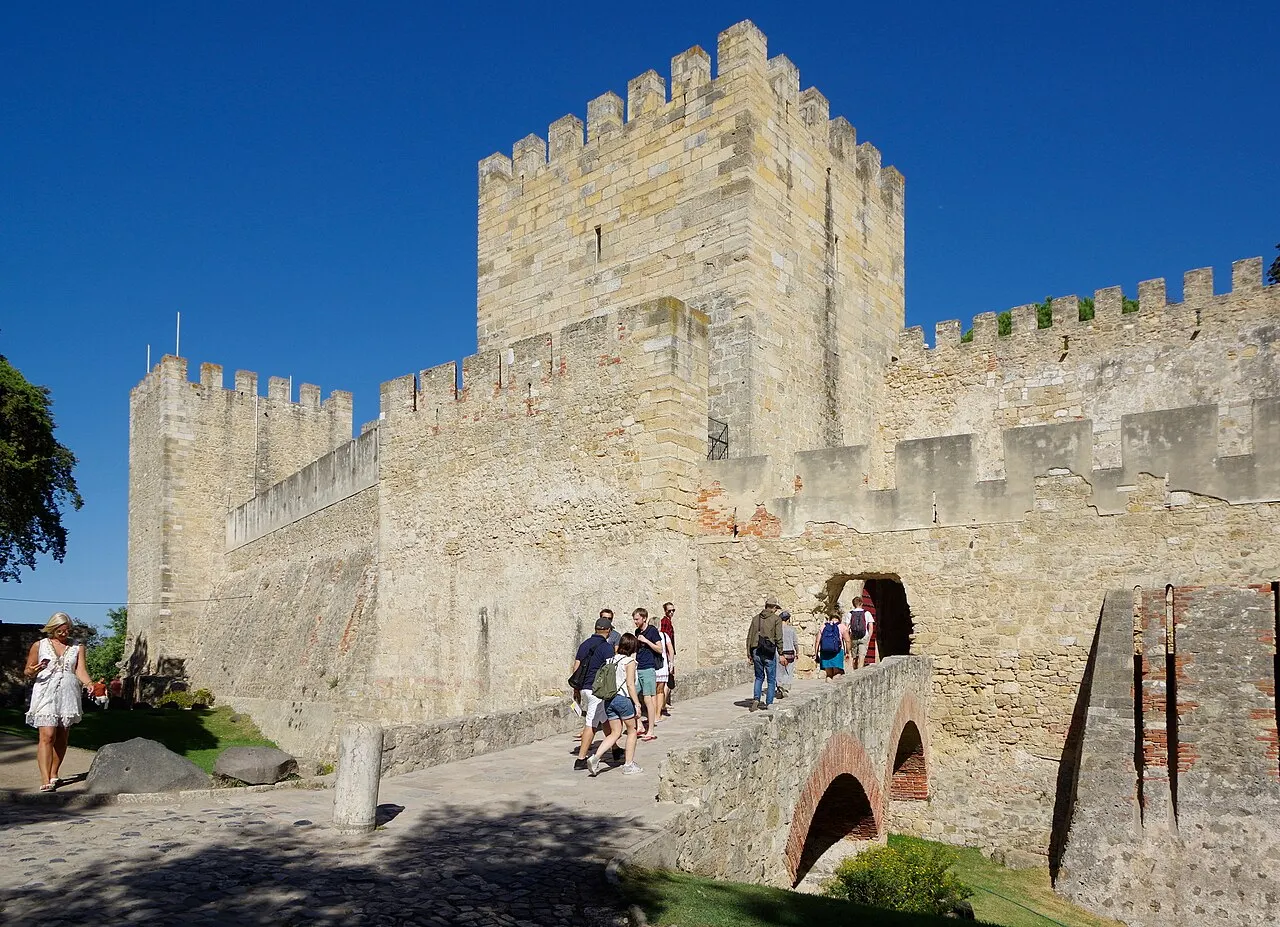
São Jorge Castle has some of the best views in Lisbon. Explore its walls and courtyards, look out across the city to the River Tagus, and leave time for the small museum.
At a glance
90–120 min
Allow time for the walls, courtyards and small museum. Leave longer if you enjoy archaeology or want to linger at the viewpoints.
45–75 min
A shorter visit concentrating on the lower viewpoints, courtyards and museum, without taking the wall circuit.
Photographs


What to see
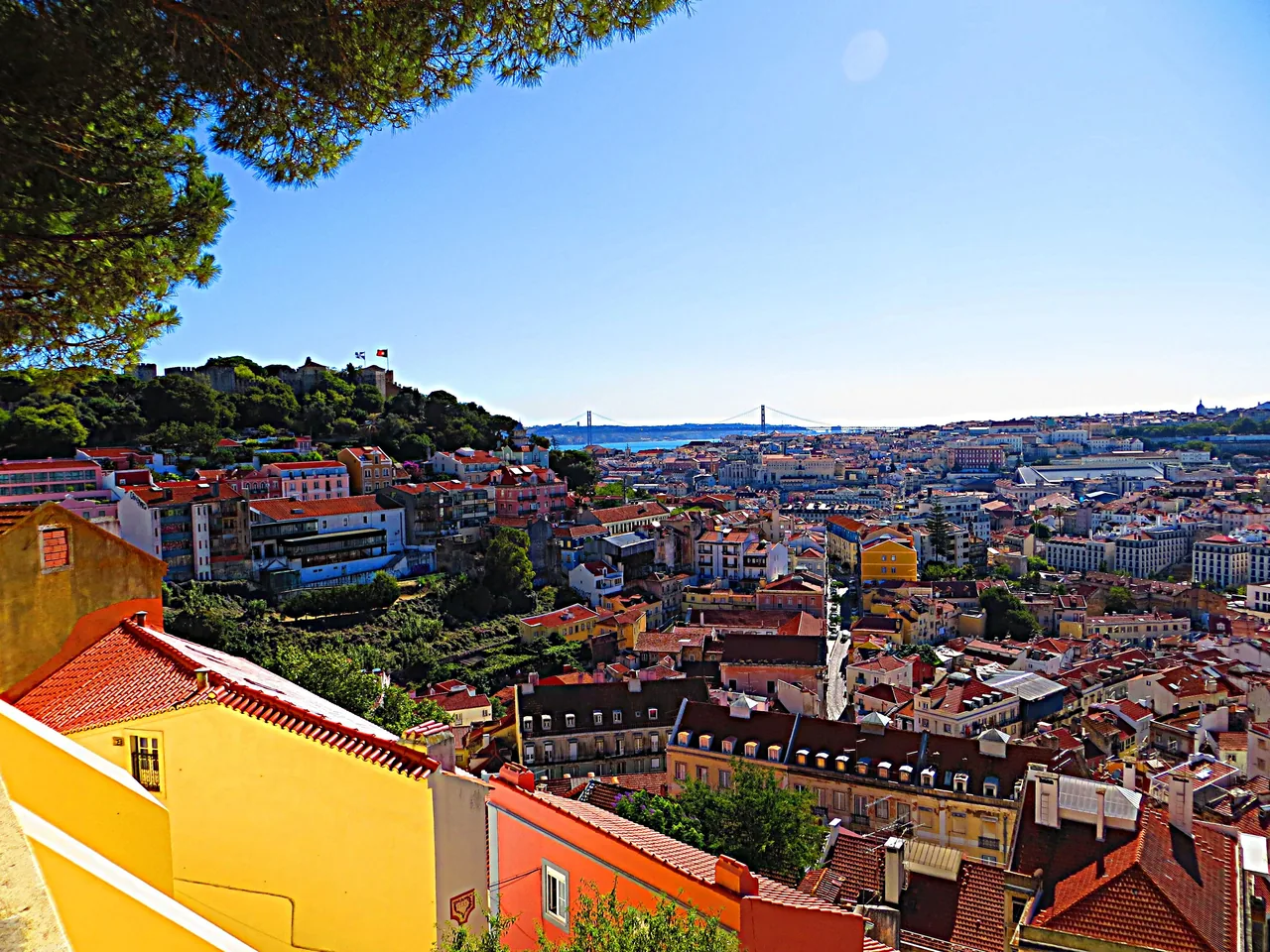
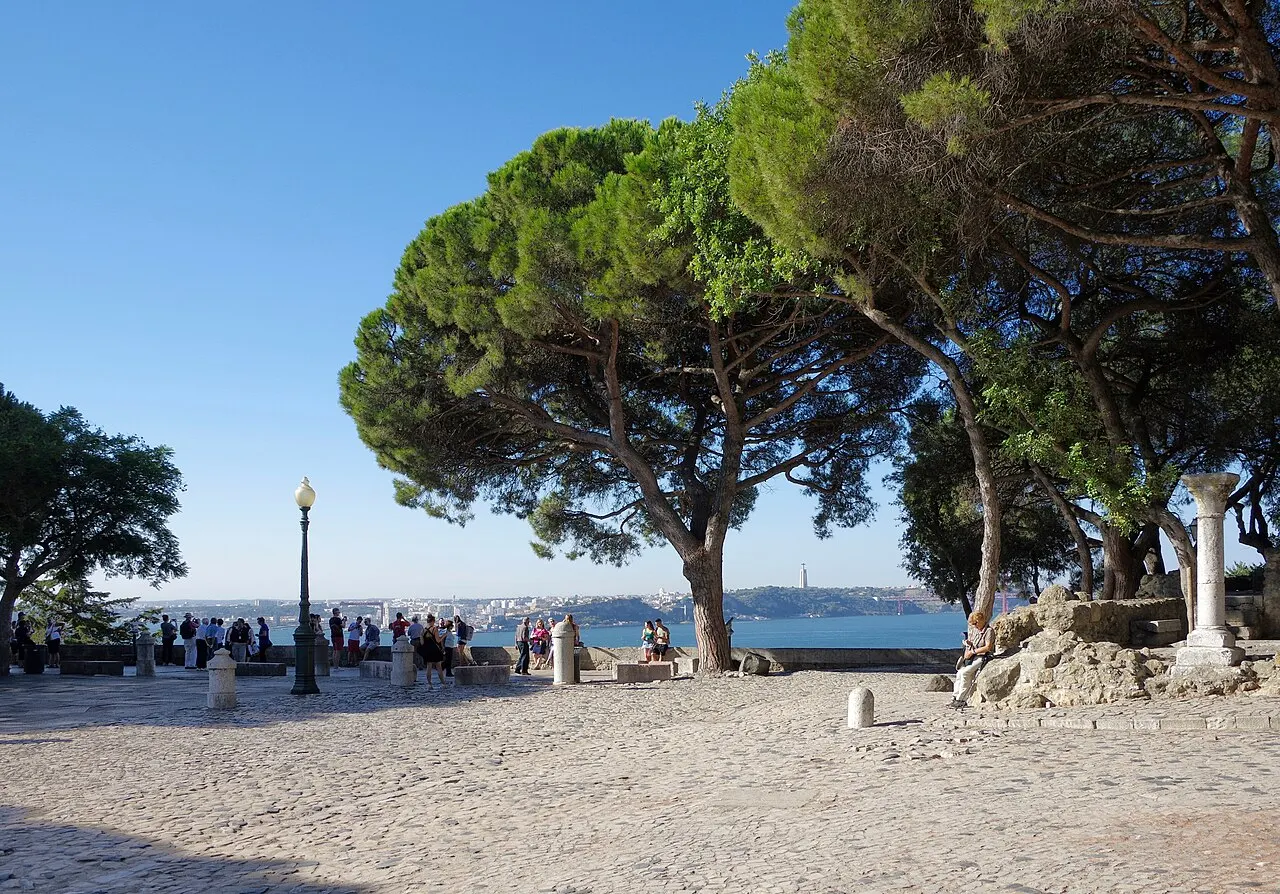
The views are the first reason to visit São Jorge Castle. From the terraces, you can pick out Baixa's straight streets among the red roofs, then look across the Tagus. There is plenty to explore once you put the camera away: towers and wall walks, open courtyards and a small museum with finds from centuries of life on this hill.
The castle is a place to explore on foot, moving between the fortifications, viewpoints and museum. Much of the visit is outdoors, and the royal palace survives only in part; you will not find a succession of furnished rooms. The museum is worth including for its ceramics and other objects recovered from the hill. If you mainly want the panorama, you can enjoy the lower viewpoints without completing the wall circuit.
This is a good choice for anyone interested in history or photography, and for families with children who enjoy exploring castles. The walls, courtyards and museum give you enough variety to spend a couple of hours here.
Look closer
Start at the broad viewpoint before heading into the castle. Baixa's straight streets are easy to pick out between the surrounding hills, with the Tagus beyond. It is a useful place to get your bearings before exploring the old city on foot, as well as one of the best spots for a photograph.
The wall circuit takes you between towers and elevated walkways, with different views at each turn. From above, you can see how the courtyards and defences fit together. You can also explore the lower grounds without climbing every tower or following the entire circuit.
Leave time for the small museum in the remains of the royal palace. Ceramics and other domestic finds show something of ordinary life here, particularly in medieval Islamic Lisbon. Objects damaged in the earthquake and fires of 1755 are especially striking after you have looked out over the city that was rebuilt below.
The remains of houses are a reminder that people lived on this hill as well as defended it. They are particularly useful for understanding the site during the Islamic period, before the Portuguese conquest. Seeing the excavations alongside the museum's domestic finds gives you a fuller picture than the fortifications alone.
The visitor perspective
The views across Lisbon and the Tagus receive the most consistent praise in the reviews we read. Visitors also enjoy walking the walls, exploring the courtyards and spotting the resident peacocks. Many describe spending longer in the grounds than they expected, with the chance to wander around the fortress adding to the appeal of the panorama.
The ticket price divides opinion. Some visitors feel that the setting justifies it; others expect more to see indoors and find the museum small or the historical explanations limited. Reviewers interested in the fortifications and archaeology generally describe more to enjoy than those who come chiefly for the view.
It helps to know what you are paying to see: a hilltop fortress with grounds and a small museum. Leave time for the wall walks and archaeological displays if these interest you. For a quick city view, a public viewpoint may be a better choice, particularly if you are short of time or watching your budget.
Visitor feedback reviewed:
The story
The hill was a stronghold long before Portugal became a kingdom. In Islamic Lisbon, the citadel overlooked the city and harbour; an Arabic inscription records repairs to the city walls in 985. Afonso Henriques captured Lisbon in 1147, bringing the fortress under Portuguese rule. Much of the castle you see today, however, comes from later building work.
Afonso III and Denis were among the kings who rebuilt the medieval castle. A royal palace stood beside the fortifications, making the hill a centre of court life and government as well as defence. In 1505, Manuel I decided to establish his residence by the river. The castle gradually became less important to the royal household and took on other uses, including military ones.
The earthquake of 1755 damaged the former palace. Major restoration in the twentieth century changed the site again, and even the bridge into the inner castle dates from the work of 1939–40. The museum helps fill in the history behind the buildings: domestic objects record daily life on the hill, while finds damaged in the earthquake and subsequent fires show the effects of the disaster.
Planning your visit
For current opening hours and ticket details, visit the official website.
Official visitor information ↗The area
The castle stands on the hill above Alfama. Beyond its gate, the lanes of Castelo lead downhill towards the Portas do Sol and Santa Luzia viewpoints. Visit the castle first, then explore Alfama on the way down to avoid climbing the same hill twice.
Alfama area guideWhat to see, how to get around and where to stay. Open map
Questions about this place
The ticket gives you access to the fortifications, grounds and small museum as well as the views. It is most worthwhile if you want to explore those too. If you only want a quick photograph of Lisbon from above, one of the city's public viewpoints may suit you better.
Allow about an hour and a half to two hours for the castle, viewpoints and museum, plus the journey up and any queue. Leave longer if you enjoy archaeology or want to spend more time looking out over the city. A shorter visit to the lower grounds and museum is also possible.
Yes. You can see the lower viewpoints and museum without taking the wall circuit. The castle publishes an accessible route to the eastern viewpoint and parts of the museum, but it does not cover all the grounds, ramparts or towers. Contact the castle to arrange any assistance you need.
More of Lisbon
Visitar editorial team
Based on official information, historical sources and a sample of traveller reviews.
Visitor information was checked on 16 September 2026. Visit times are estimates. The guide is based on published sources; it does not include an on-site inspection. Photograph dates appear in the gallery captions.
Content reviewed: · Visitar.com
Image resized for display; full source and licence linked.