Design galleries & the former bank
60–120 min
Time for the collection, selected exhibitions and a closer look at the banking interiors. Design enthusiasts may want longer.
Design & fashion museum · Baixa
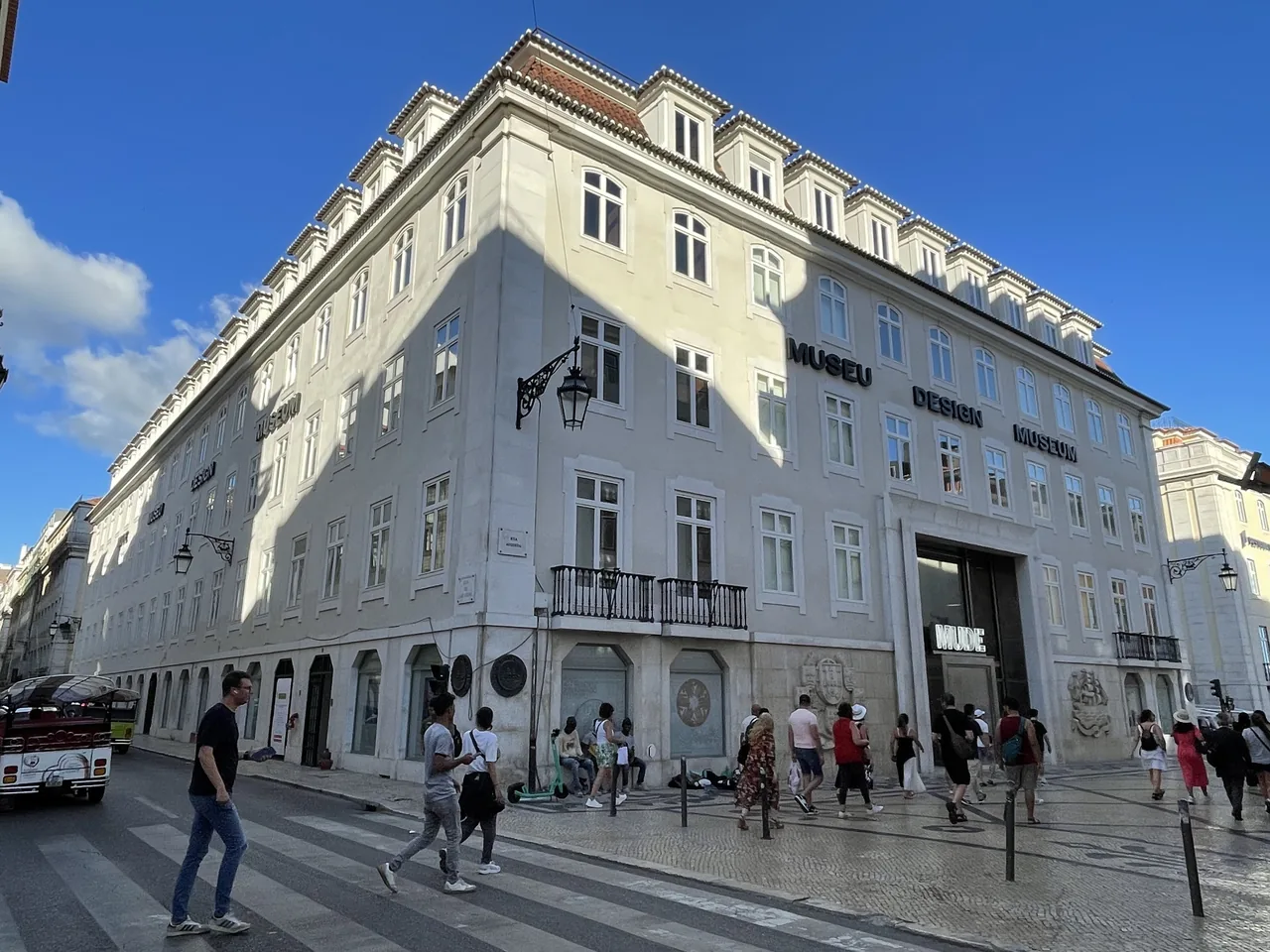
MUDE - Museu do Design
Familiar objects take on new interest inside a bank transformed into a design museum.
At a glance
60–120 min
Time for the collection, selected exhibitions and a closer look at the banking interiors. Design enthusiasts may want longer.
Photographs


What to see
A chair is an easy thing to walk past. At MUDE, it is worth stopping to ask why it has that particular shape, what it is made from and who it was intended for. Clothes, furniture and everyday objects become starting points for a much wider story about taste, technology and the way we live. The former bank around them is part of the fascination.
The museum gives Portuguese design a place alongside international work, helping you see connections you might miss in a display of famous names alone. Its appeal is practical as well as visual. You may recognise a familiar object, notice an ingenious solution or find yourself reconsidering something you use every day. The surviving banking interiors add another layer of interest.
This is an especially good choice for anyone interested in furniture, fashion, interiors or making things. You do not need specialist knowledge to enjoy comparing objects and materials. Children who like asking how things work may find plenty to discuss, although the displays are primarily for looking at rather than handling.
Look closer
Choose one chair or household object and look at how it is put together before reading the label. Is it economical with materials? Does it seem comfortable, durable or easy to manufacture? Comparing your first impression with the designer’s purpose makes the visit more engaging than simply identifying pieces you recognise.
Look for the relationship between Portuguese work and objects from elsewhere. Similar needs can produce very different solutions, while new materials can change what designers attempt. The museum’s approach gives local design a broader context, rather than presenting it as a separate appendix to international history.
A garment can reveal as much about a period as a piece of furniture. Notice its construction, silhouette and choice of material, then consider the kind of life it suggests. Clothing displays rotate to protect the objects, so come for the wider collection and the ideas behind it rather than one particular outfit.
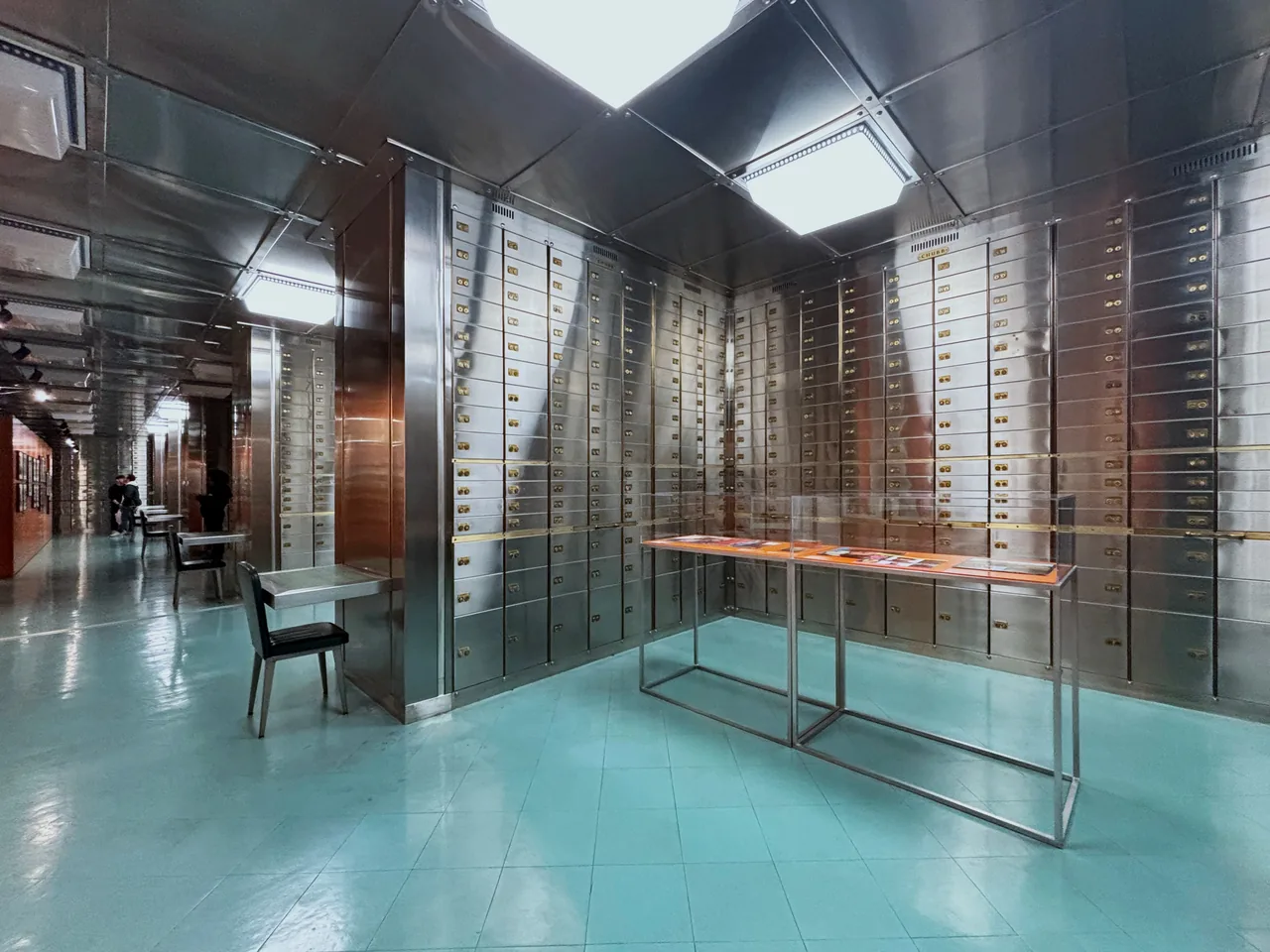
Pay attention to the building between displays. The marble banking counter and former strongroom belong to a world of solidity, security and carefully projected status. Compare those interiors with the more exposed structure around the galleries. The contrast makes the building itself an example of changing priorities in design.
The visitor perspective
The former bank is a recurring pleasure in visitors’ accounts. Reviewers single out the marble counter, the vault and the way the displays sit within the building. Those interested in fashion and furniture often describe a rewarding combination of familiar designs and discoveries, with the setting contributing as much as individual objects.
Enthusiasm is less uniform when visitors arrive expecting a dense parade of famous pieces. Some find the selection too limited for their tastes or question the value of the visit. Other accounts praise the space given to the work and the variety across different exhibitions. Your own interest in design will make a considerable difference.
Give yourself time to explore the architecture as well as the collection. The most enthusiastic reviews tend to appreciate both. Choosing a few displays to examine closely is likely to be more rewarding than treating the museum as a checklist of well-known designers or outfits.
Visitor feedback reviewed:
The story
MUDE opened in 2009, with the collection assembled by Francisco Capelo at the heart of the project. Lisbon’s municipal government had acquired that collection in 2002. Furniture, useful objects and fashion provided a basis for a museum concerned with how things are made and how they acquire meaning in daily life.
The address had previously housed Banco Nacional Ultramarino. Converting a substantial bank into a museum left visible traces of successive uses, from imposing polished surfaces to the practical structure behind them. A major rehabilitation completed in 2024 brought more of the building into public use while retaining evidence of its earlier life.
The museum’s collecting interests extend beyond furniture and clothes into other fields of design. That breadth is useful to keep in mind: MUDE is concerned with processes, communication and consumption as well as attractive finished products. The most rewarding visit connects those ideas with the objects in front of you.
Planning your visit
For current opening hours and ticket details, visit the official website.
Official visitor information ↗The area
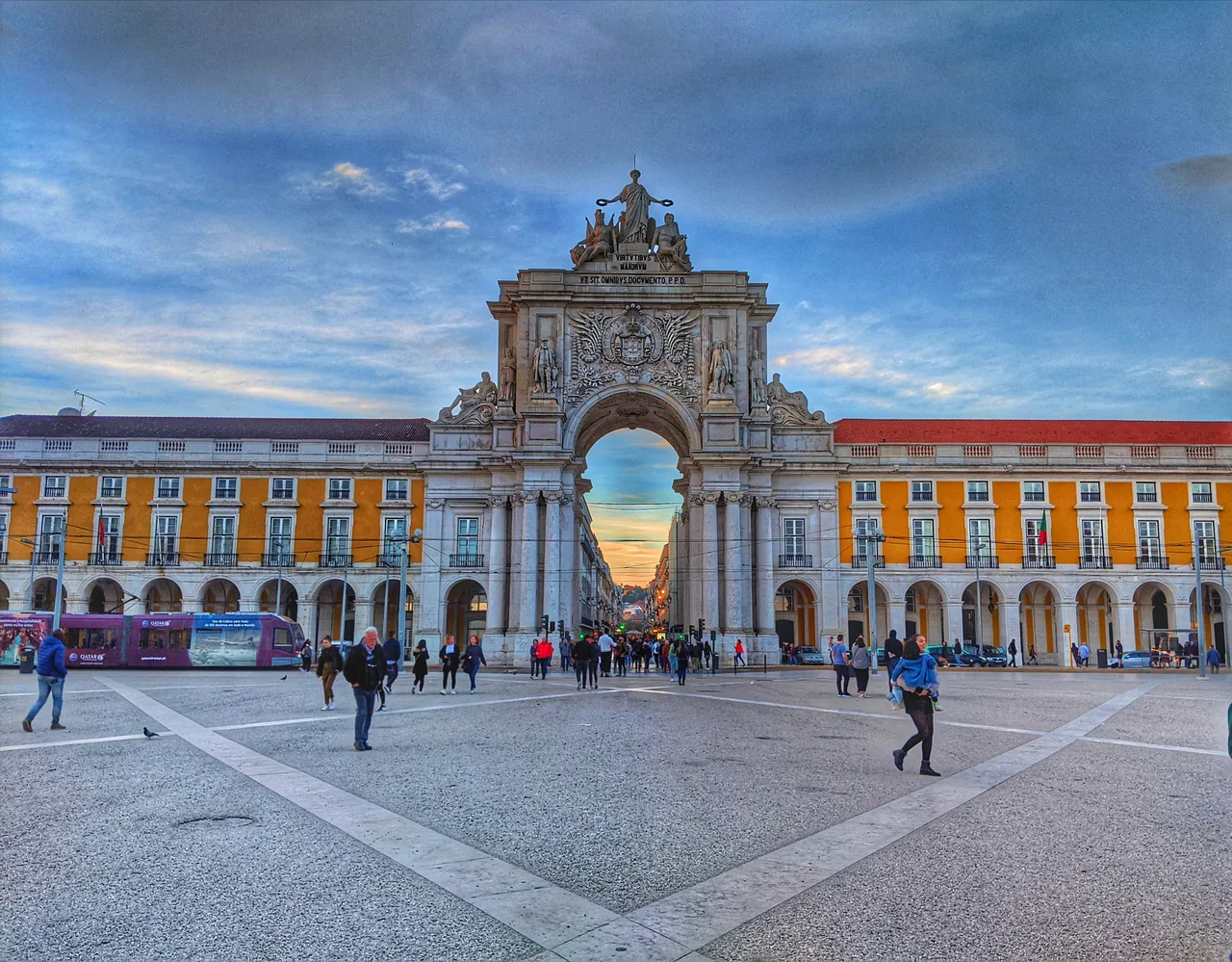
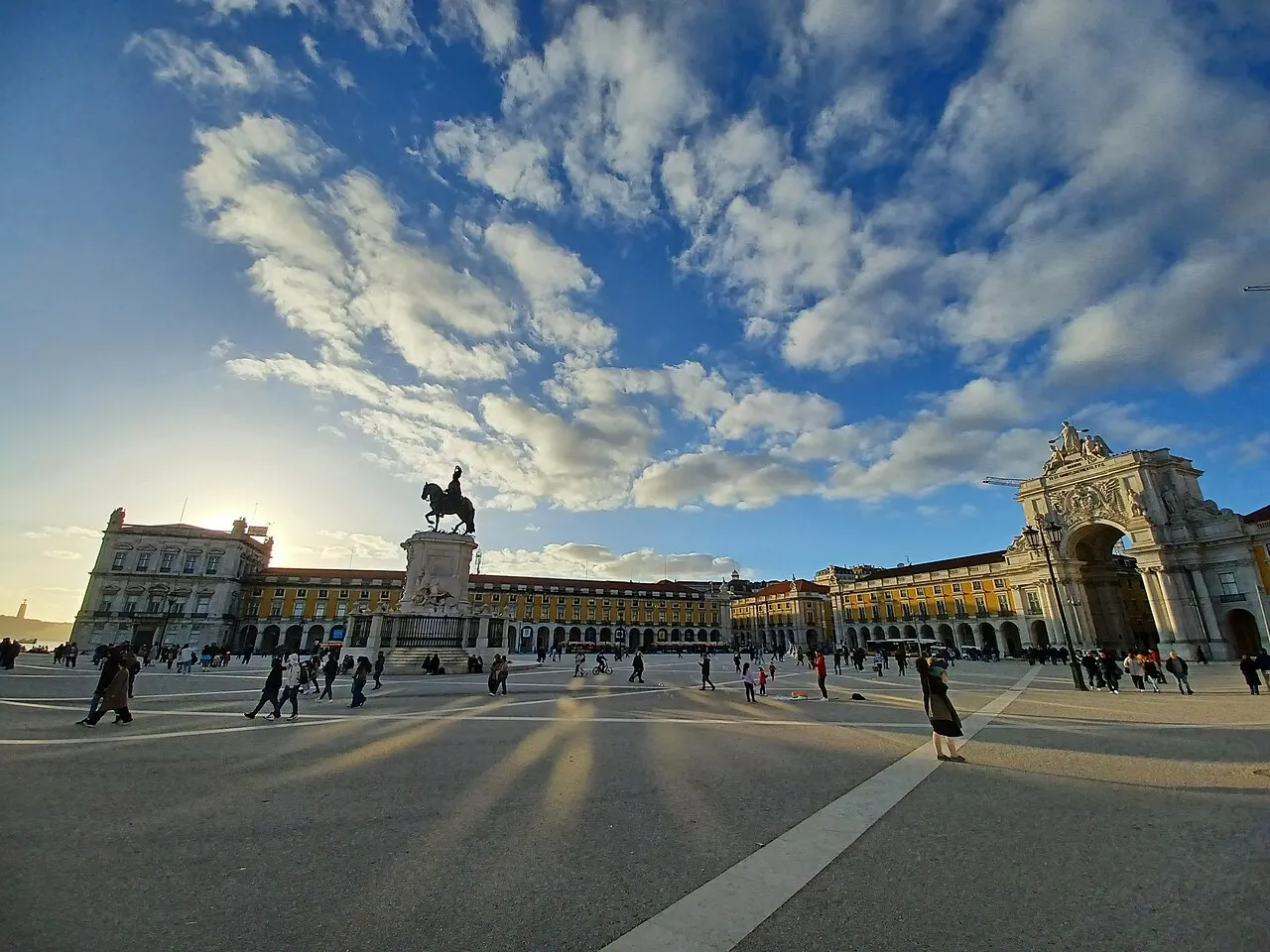
MUDE stands on Rua Augusta, close to the triumphal arch and Praça do Comércio. It is easy to combine with a walk through Baixa without spending much of the day travelling. After the galleries, look at the shopfronts, signs and paving outside: the questions the museum raises about design continue in the street.
Baixa area guideWhat to see, how to get around and where to stay. Open map
Questions about this place
Fashion is an important part of the collection, but the museum also covers furniture, products and other areas of design. It is a broader visit than a sequence of clothing displays.
No. Familiar objects provide an accessible starting point. Looking at materials, proportions and practical use can be just as rewarding as recognising a celebrated designer.
Not necessarily. Works rotate, and clothing in particular needs periods away from display for conservation. If seeing a specific object is essential to your visit, ask the museum about it in advance.
It was the headquarters of Banco Nacional Ultramarino. Surviving banking interiors, including the counter and strongroom, remain an important part of the visit.
More of Lisbon
Visitar editorial team
Based on official visitor information, historical and collection records, and a sample of individual traveller reviews.
Visit times are estimates. The guide is based on published sources; it does not include an on-site inspection. Photographs come from credited sources and may show earlier displays or arrangements.
Content reviewed: · Visitar.com
Image resized for display; full source and licence linked.