The narrated history route
60–90 min
Around an hour for the main sequence, with extra time to replay explanations and explore at a comfortable pace.
City history & audiovisual experience · Praça do Comércio
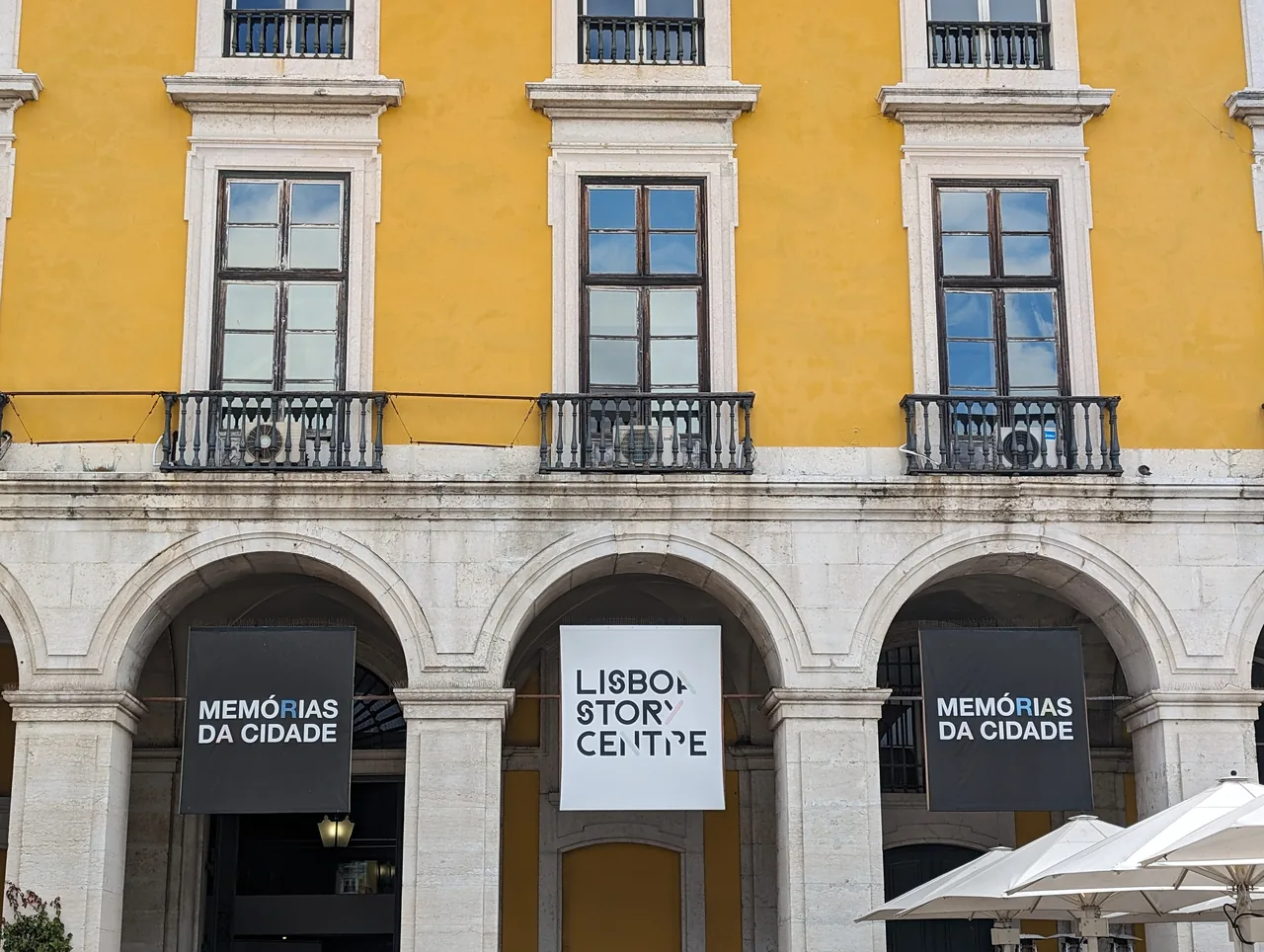
Lisboa Story Centre
Put the city around you into context, then step straight back into the square that tells part of the story.
At a glance
60–90 min
Around an hour for the main sequence, with extra time to replay explanations and explore at a comfortable pace.
Photographs


What to see
Lisboa Story Centre is especially useful near the beginning of a stay. Inside the arcades of Praça do Comércio, an audio-led sequence of scenes and films explains how the city developed, suffered disaster and rebuilt. Afterwards, the ordered streets of Baixa and the great riverside square outside have a clearer place in your mind.
The strength of the visit is its connection with what you can see on foot. Trade, the earthquake and the rebuilding of the centre are not remote subjects here: they help explain the waterfront and street plan immediately around the building. You can leave the exhibition and continue following those themes outdoors without travelling anywhere else.
It suits first-time visitors who want a manageable introduction to the city’s history, particularly those who prefer listening and watching to reading long gallery panels. It is less essential if you already know the broad story well. Children who enjoy narrated history may engage with it, but this is not a roomful of hands-on activities.
Look closer
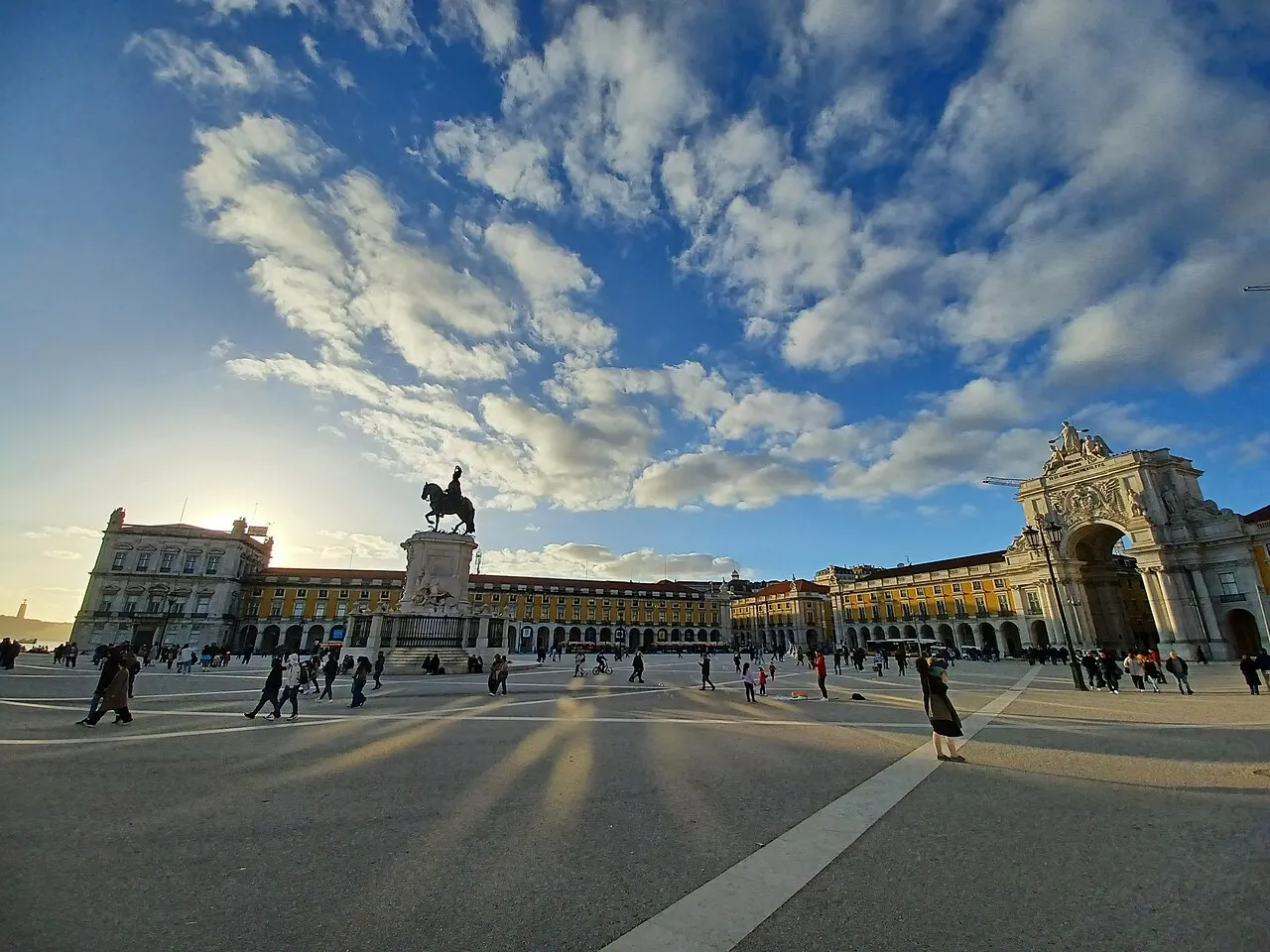
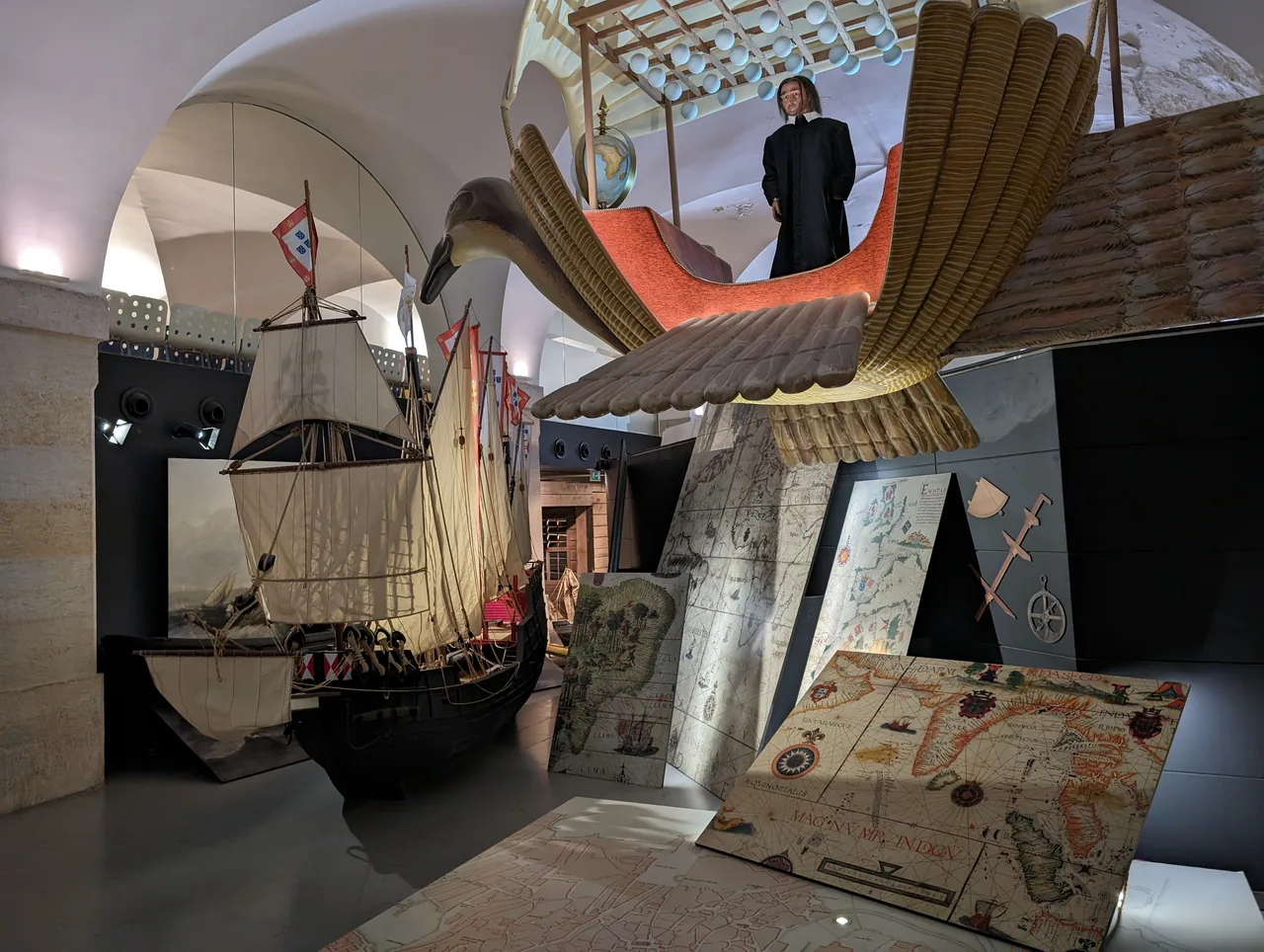
The recreated warehouse and maritime scenes explain why the Tagus mattered to the city’s fortunes. Treat them as an introduction to the movement of people, goods and ideas, then look back towards the real river when you leave. The exhibition gives the square’s imposing scale a purpose beyond being an attractive place for photographs.
The account of 1 November 1755 is the dramatic centre of the visit. An audiovisual presentation conveys the destruction and its consequences. Give it your attention rather than treating it as background to the next display. If you are visiting with a child sensitive to loud or unsettling scenes, ask staff about the presentation before entering.
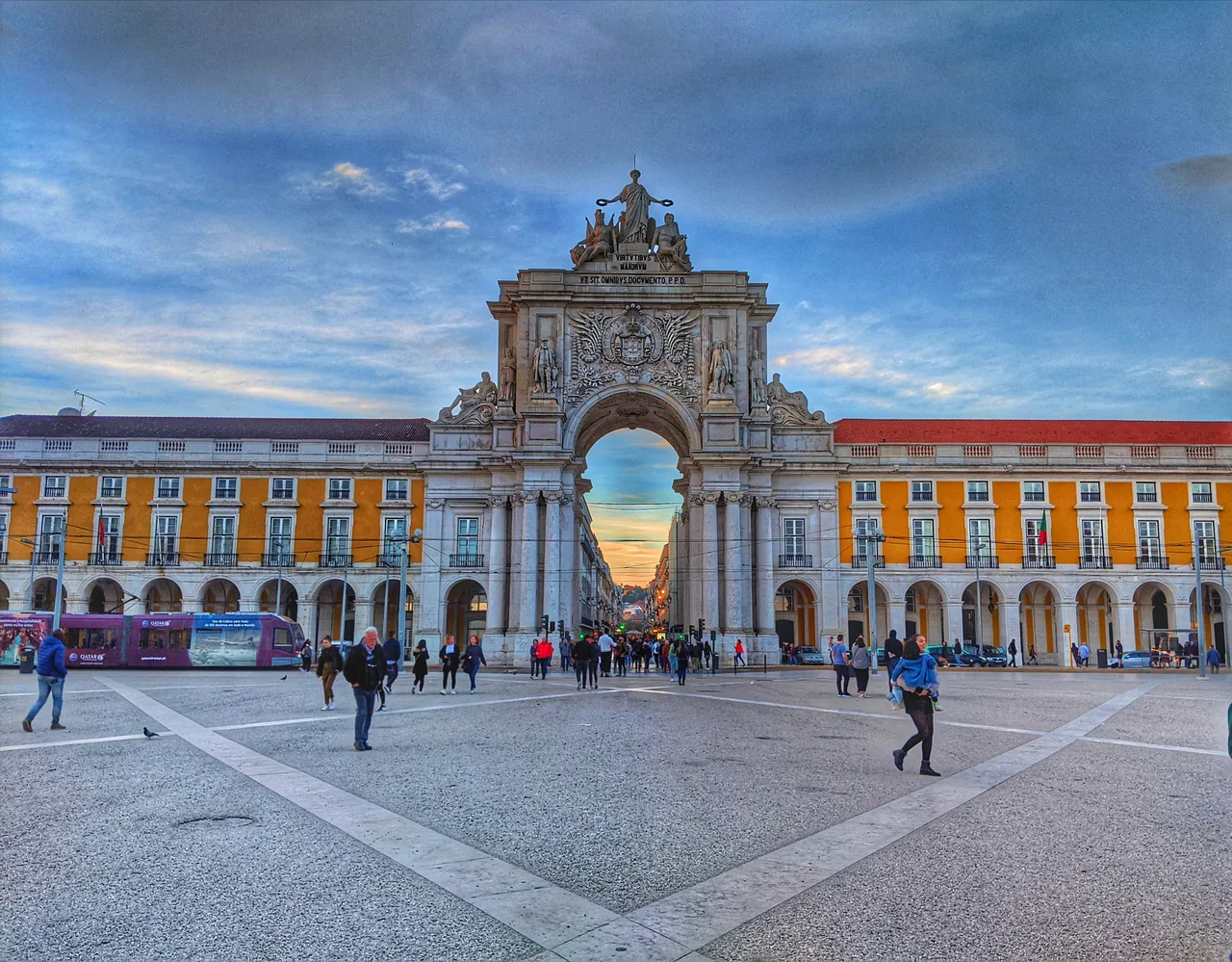
The reconstruction story is particularly useful for understanding Baixa. Notice the emphasis on planning and organisation, then compare it with the regular streets outside. The contrast becomes clearer if you later walk into the older lanes on either side of the centre. The city itself supplies the best follow-up to the explanation.
Terreiro do Paço has been more than a monumental backdrop. The exhibition connects it with politics, commerce and leisure. Before leaving the area, stand somewhere that lets you see both the river and the buildings enclosing the square. It is an easy way to bring several parts of the visit together.
The visitor perspective
Many visitors value the centre as a way to get their bearings. The earthquake presentation makes a strong impression, while the narrated route helps connect events that might otherwise remain separate facts. Several recent accounts recommend coming early in a trip, before exploring the streets and monuments described in the exhibition.
Enjoyment depends partly on how you respond to an audio-led visit. Some people find the explanations engaging; others consider them lengthy or want more depth. Families also differ over the dramatic earthquake scene. A child who likes stories may respond quite differently from one expecting to touch and try things.
Allow the full hour and follow the account carefully. This is most useful as an introduction that continues outdoors. After leaving, spend time in the square and walk into Baixa while the rebuilding story is still fresh, rather than moving immediately to an unrelated attraction.
Visitor feedback reviewed:
The story
The Story Centre was conceived as an introduction to the history of the capital in the very district transformed by the earthquake. It uses staged scenes, moving images and a narrated route to make a large subject manageable within a single visit. Its setting is part of that explanation, not simply a convenient address.
The disaster of 1755 destroyed much of the centre and forced decisions about how a capital should be rebuilt. The broad, ordered spaces around the Story Centre belong to the response that followed. For a visitor, the useful question is not just what was lost, but how the rebuilding changed the way the city works.
The exhibition also places that rupture within a longer history of settlement and maritime connections. It necessarily selects episodes rather than providing an exhaustive account. Use it to establish the outline, then let particular interests lead you towards the city’s more specialised museums, monuments and neighbourhoods.
Planning your visit
For current opening hours and ticket details, visit the official website.
Official visitor information ↗The area
The entrance is beneath the eastern arcades of Praça do Comércio, also called Terreiro do Paço. After visiting, cross the square to look at its river frontage, then pass through the Rua Augusta Arch into Baixa. That short walk gives the account of rebuilding an immediate physical setting. Terreiro do Paço is the nearest riverside metro station.
Baixa area guideWhat to see, how to get around and where to stay. Open map
Questions about this place
No. Lisboa Story Centre is in Praça do Comércio and introduces the wider history of the city. Quake is a separate attraction in Belém focused on the earthquake experience.
Yes. English is among the available audio languages. Ask staff to help with the device before starting if the controls or automatic playback are unfamiliar.
The main experience is designed around an hour. Allow 60–90 minutes if you want to replay sections or spend more time with the displays.
Yes, particularly if Lisbon’s history is unfamiliar. The account of trade, the earthquake and rebuilding provides context for Praça do Comércio and the streets of Baixa immediately outside.
More of Lisbon
Visitar editorial team
Based on official visitor information, historical and collection records, and a sample of individual traveller reviews.
Visit times are estimates. The guide is based on published sources; it does not include an on-site inspection. Photographs come from credited sources and may show earlier displays or arrangements.
Content reviewed: · Visitar.com
Image resized for display; full source and licence linked.