The history of resistance
60–120 min
Time to follow the main exhibition and read a selection of personal accounts. A thorough visit can take two hours or more.
History & resistance museum · Sé
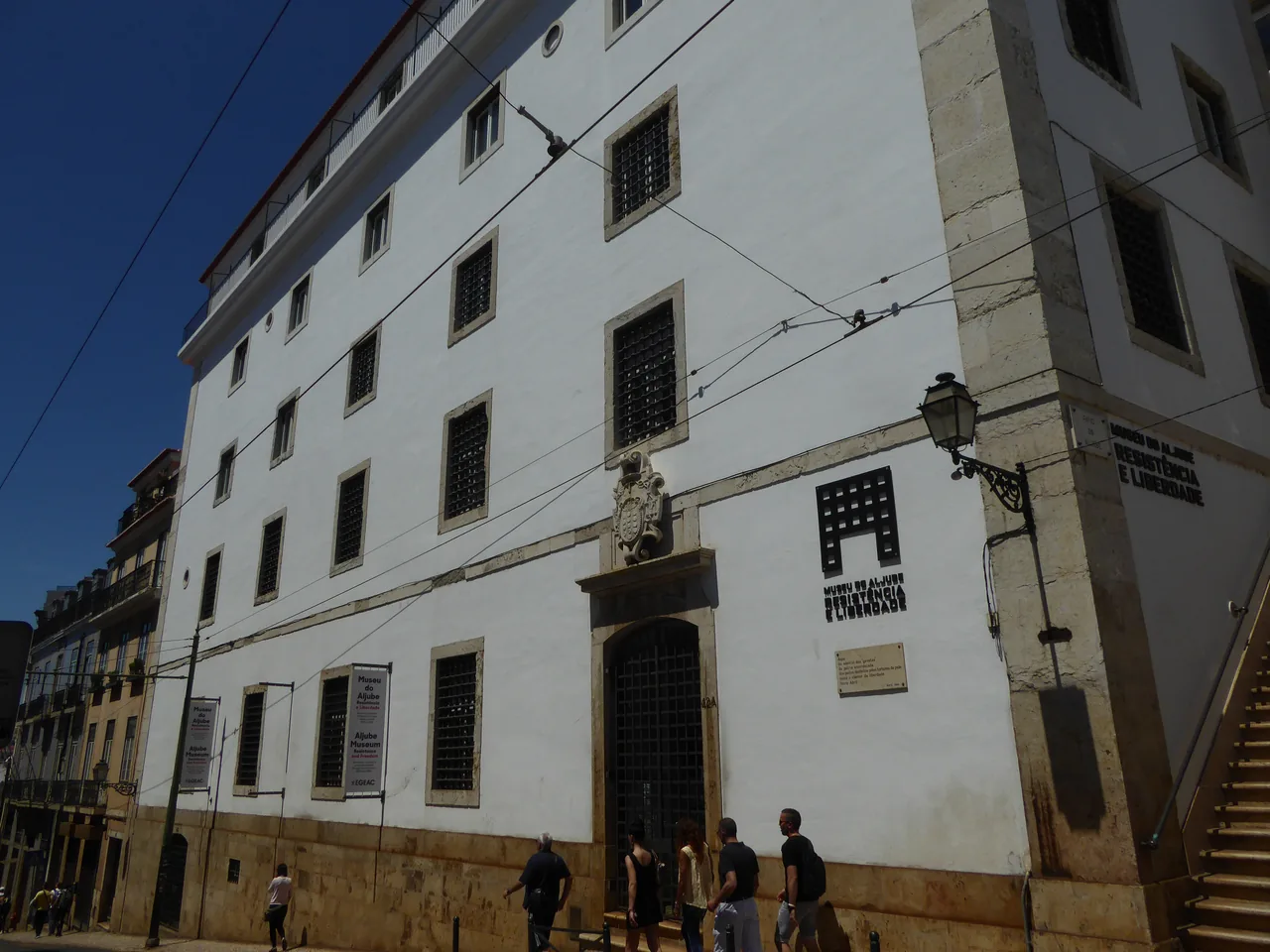
Museu do Aljube - Resistência e Liberdade
A former political prison tells the story of the people who resisted Portugal’s dictatorship.
At a glance
60–120 min
Time to follow the main exhibition and read a selection of personal accounts. A thorough visit can take two hours or more.
Photographs


What to see
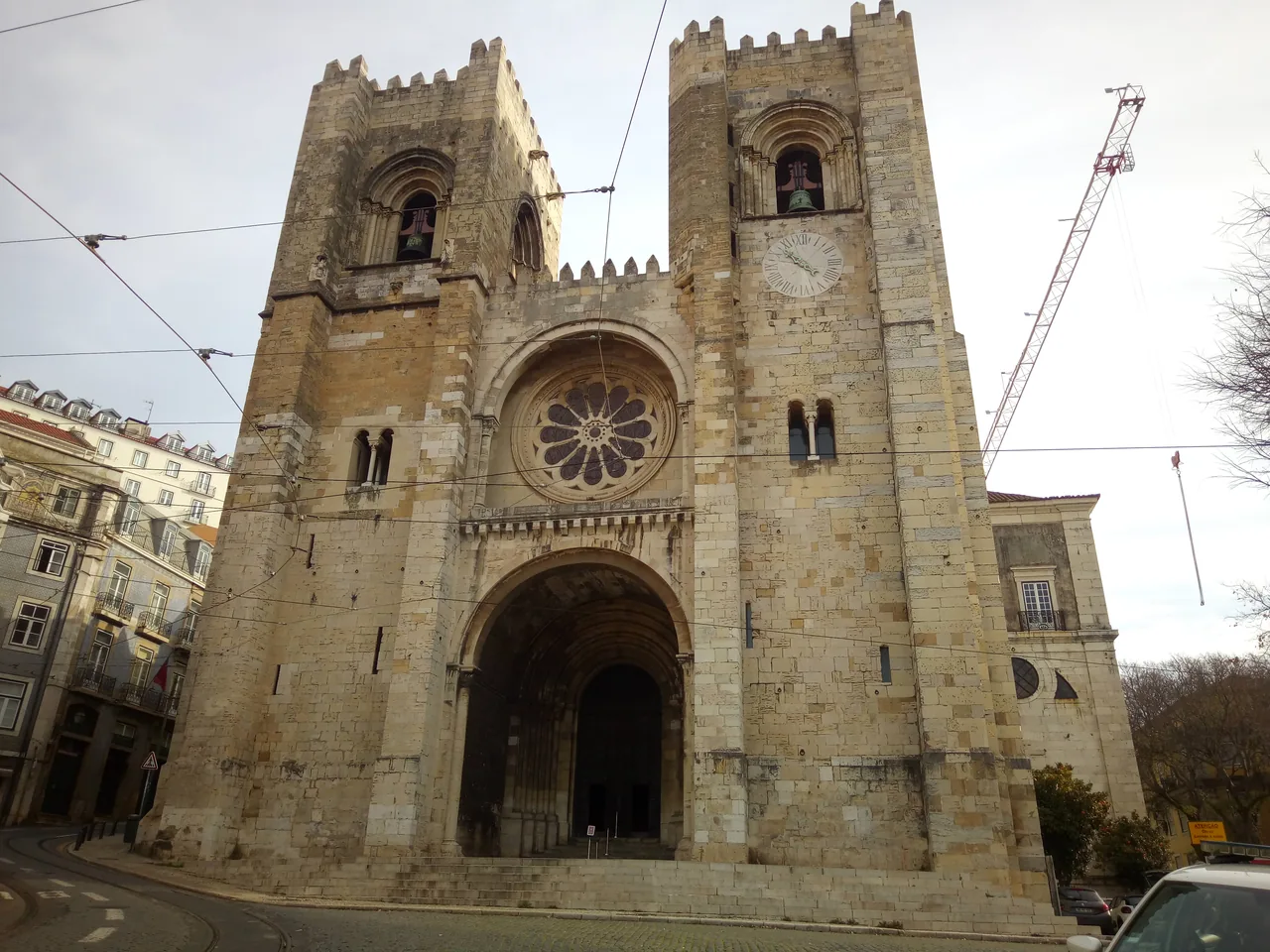
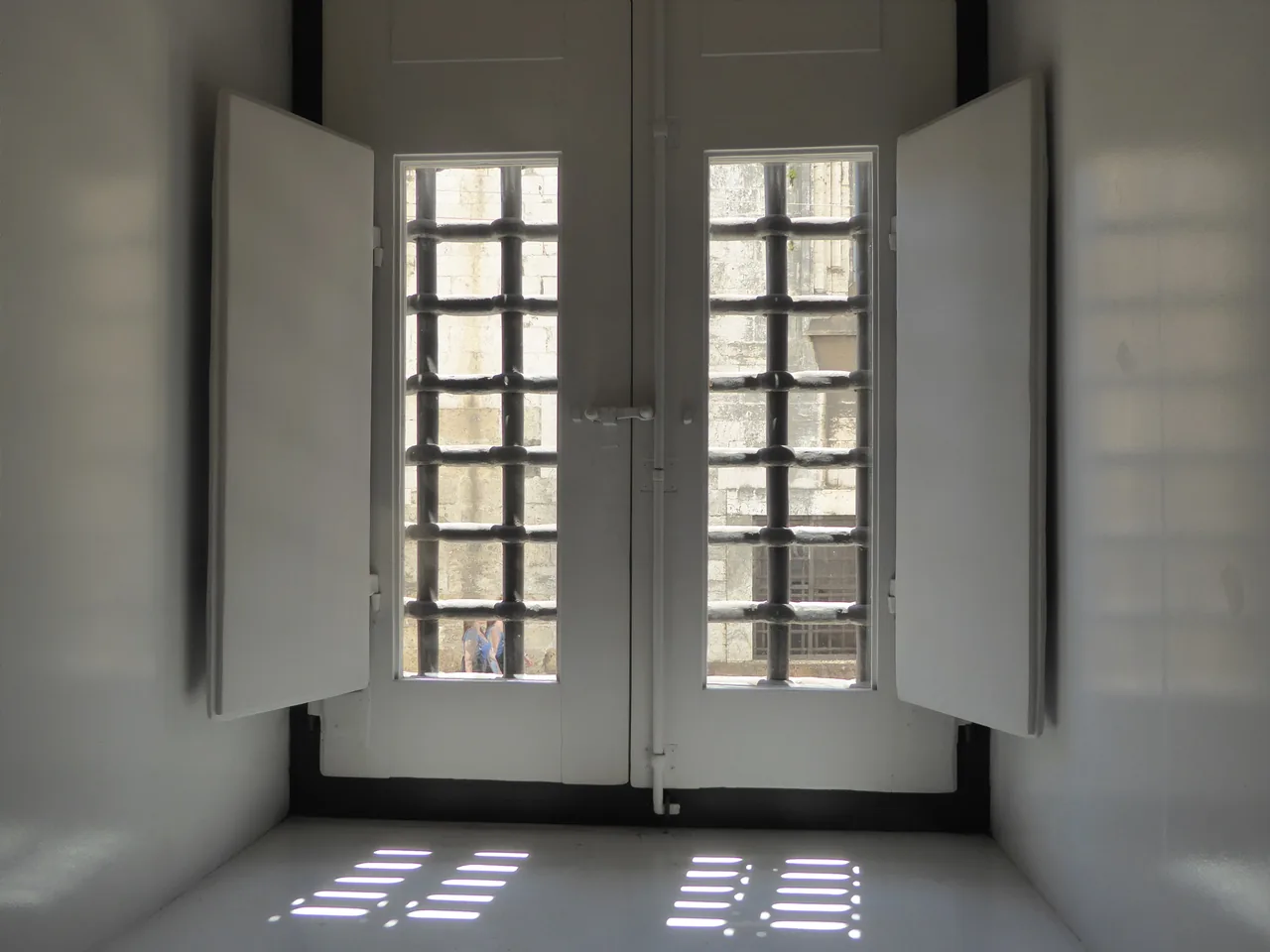
Just beside the cathedral, the Aljube Museum turns your attention from medieval Lisbon to a much more recent past. This building held political prisoners during Portugal’s dictatorship. Its displays examine the machinery of repression and the lives of people who challenged it, giving the place a weight that comes from more than the objects on show.
The visit can change your understanding of a country often introduced through royal monuments and maritime history. Here the central subjects are censorship, imprisonment, resistance and the struggle for democratic rights. It is a demanding story, but one that helps explain the importance of freedom in modern Portuguese public life.
Allow time if you are interested in twentieth-century history, politics or personal testimony. The exhibition involves substantial reading and serious material, including torture and imprisonment. Older children studying these subjects may find it valuable with an adult; it is a less obvious choice for younger children seeking an active, playful visit.
Look closer
The material on censored newspapers, books and other media makes political control tangible. Look at what could be removed from ordinary public life, then consider the risks involved in circulating information outside official channels. A single document studied carefully can be more revealing than a hurried glance at an entire wall of evidence.
Follow a personal account as well as the overall chronology. The museum records resistance by people from different backgrounds, often at great cost to themselves and their families. Reading one story in full gives the wider history a human scale and helps prevent the succession of dates and organisations from becoming abstract.
The exhibition explains detention, interrogation and the use of confined cells. It is the most difficult part of the visit for many people. Pay attention to how the displays distinguish the building’s history from the wider prison system. These spaces should be approached as evidence of repression, with the people who endured it kept in mind.
The later sections connect dictatorship with colonialism, liberation movements and the revolution of 25 April 1974. Keep enough attention for this part of the route. It provides essential context for the ending of the regime and for the museum’s concern with memory and citizenship today.
The visitor perspective
Visitors frequently describe learning a history they knew little about before arriving. The former-prison setting and personal stories make a particular impression. Several accounts call the visit moving or sobering, and people interested in modern European history often regard it as one of the most worthwhile parts of their stay.
The amount of reading is a recurring point. Many appreciate the English interpretation and the depth of material, but a careful visit takes concentration. This is not the lightest museum to add to an already crowded day, and reviewers with children advise thinking about both the subject matter and the attention it requires.
Give it a proper place in the itinerary. The strongest accounts come from visitors who allowed themselves time to follow the story. Even if you arrive knowing little about the dictatorship, a patient visit can provide a much fuller understanding of the country beyond its better-known monuments.
Visitor feedback reviewed:
The story
The building had a long history of imprisonment before the twentieth century. Between 1928 and 1965 it served as a political prison, spanning the military dictatorship and the Estado Novo. Its position beside a busy historic landmark can make that former use particularly startling to a visitor encountering the story for the first time.
The museum opened in 2015 with a clear purpose: to preserve the memory of resistance to the dictatorship and bring it into public discussion. Collecting testimony has been central to that work. The result is both a historical museum and a place that asks visitors to consider the responsibilities that come with democratic freedom.
The account reaches beyond the prison itself. It examines the institutions that sustained the regime and the many forms of opposition to them. That wider frame matters: the building supplies a powerful setting, but understanding what happened here requires the political and social history presented around it.
Planning your visit
For current opening hours and ticket details, visit the official website.
Official visitor information ↗The area
The museum is on Rua de Augusto Rosa, immediately beside the Sé. It fits naturally into a walk between Baixa and Alfama, but deserves its own allowance of time. Do not squeeze it into the last few minutes before heading uphill to the castle. A short walk afterwards gives you space to think about what you have seen.
Alfama area guideWhat to see, how to get around and where to stay. Open map
Questions about this place
Yes. The building held political prisoners from 1928 to 1965. The museum explains that history within the wider account of dictatorship and resistance in Portugal.
English interpretation is available throughout much of the exhibition. The visit still requires time and concentration because the history is substantial and document-rich.
The subjects include imprisonment, torture and political repression. Older children with an interest in history may benefit from visiting with an adult. For younger children, consider the material and their individual sensitivity before deciding.
Allow 60–120 minutes. Visitors who read extensively and watch the audiovisual material should plan towards the longer end, with time afterwards for a break.
More of Lisbon
Visitar editorial team
Based on official visitor information, historical and collection records, and a sample of individual traveller reviews.
Visit times are estimates. The guide is based on published sources; it does not include an on-site inspection. Photographs come from credited sources and may show earlier displays or arrangements.
Content reviewed: · Visitar.com
Image resized for display; full source and licence linked.