Cathedral, upper choir & treasury
45–75 min
Time for the principal visitor spaces, with pauses to look at the architecture and sacred art. Add longer if you enjoy studying individual objects.
Cathedral & sacred art · Sé & Alfama
Sé de Lisboa
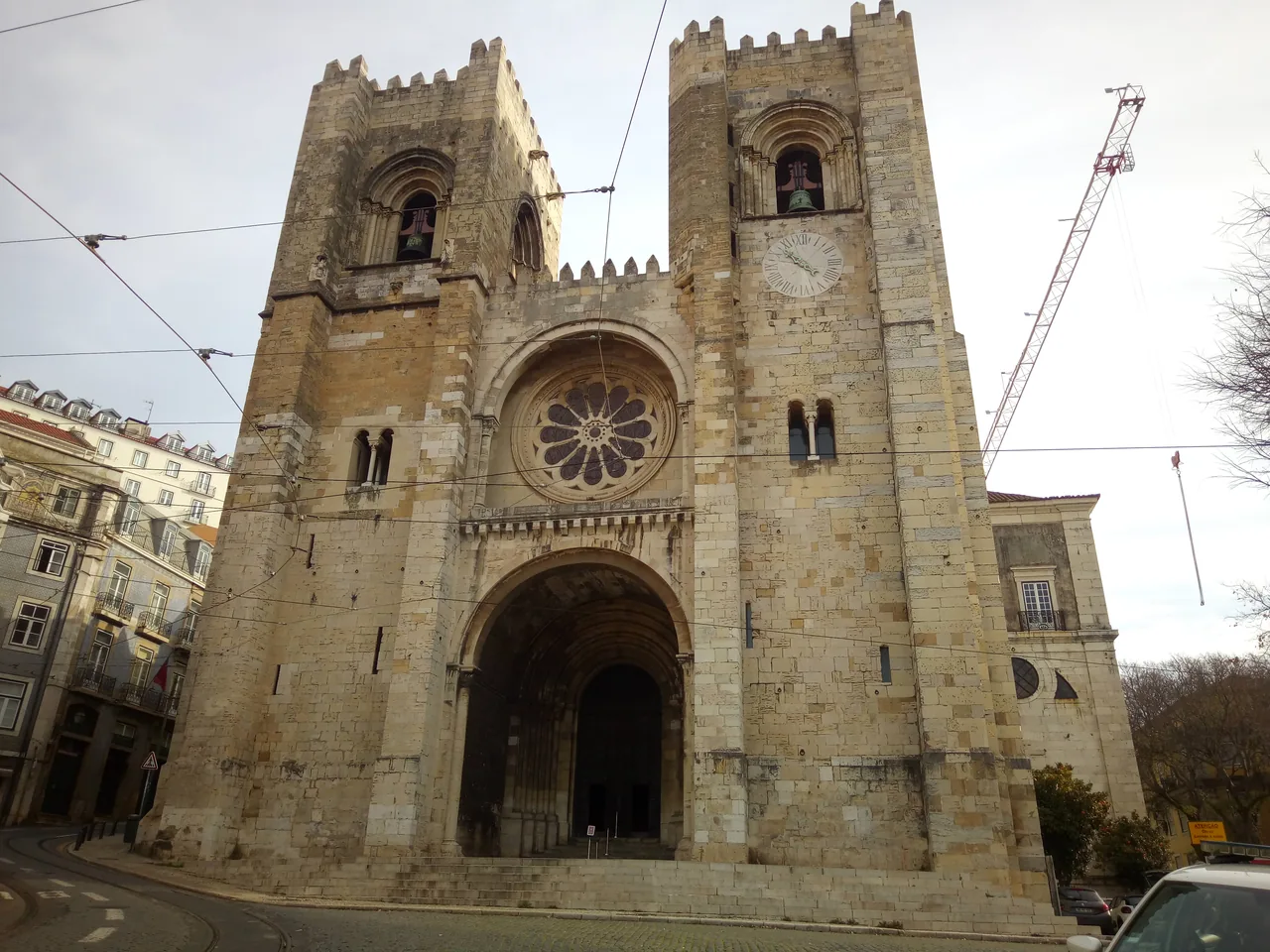
Behind the twin towers of the Sé are centuries of additions and rebuilding. Look up through the nave, study the rose window and leave time for the smaller treasures beyond the first impression.
At a glance
45–75 min
Time for the principal visitor spaces, with pauses to look at the architecture and sacred art. Add longer if you enjoy studying individual objects.
Photographs


What to see
Lisbon Cathedral stands on the slope between Baixa and Alfama. Its twin towers and deep stone entrance give it the appearance of a fortress, but inside the building changes character from one space to the next. Romanesque forms, Gothic chapels and later decorative work reflect a long history of damage, repair and new ambitions.
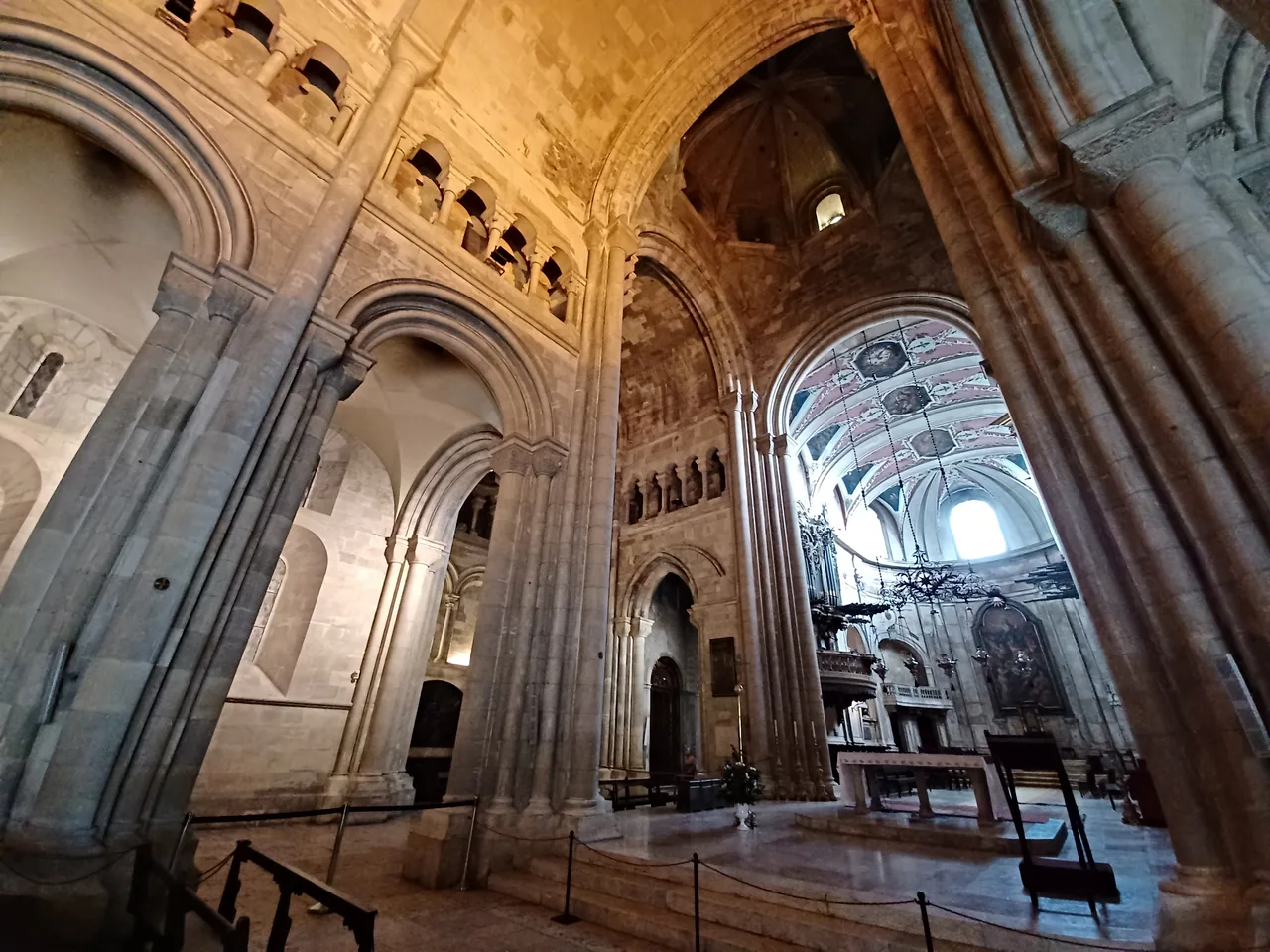
The Sé is most interesting when you look for those differences. The heavy arches of the nave have little in common with the lighter carving of the chapels or the precious metalwork in the treasury. The upper choir offers another view into the church and brings the great rose window closer. Rather than expecting one perfectly preserved medieval interior, enjoy a building that has been repeatedly adapted over many centuries.
The cathedral is a good choice for visitors interested in church architecture, religious art or the history of the older city. You do not need to follow every date to appreciate it. A little context helps, particularly when comparing its severe exterior with the more varied spaces inside.
Look closer
Stand where you can see both towers before approaching the doorway. Their weight and the recessed entrance create the building’s familiar defensive appearance. Then look closer at the carved details around the portal. The façade rewards both distances: a broad view for its mass and a nearer one for the workmanship that is easy to miss from across the street.
Inside, take a moment to follow the rhythm of the arches along the nave. The upper choir gives a different view of those proportions, looking down into the church rather than along it. It also changes your relationship with the west end and its rose window. This is a useful contrast to a visit spent entirely at floor level.
The circular window is a central feature of the façade, but its colour and detail are best appreciated from inside. The stained glass is part of the cathedral’s twentieth-century restoration, not an entirely intact medieval survival. Look at the arrangement of figures around the centre, then notice how the light changes the appearance of the stone nearby.
The Gothic ambulatory and chapels introduce a different style of architecture. Look for the sculpted figures on medieval tombs before turning to the treasury’s smaller works. Reliquaries, vestments and objects made for worship reveal the care given to materials and craftsmanship. Individual displays can change, so follow your interest in the objects in front of you rather than treating the collection as a fixed checklist.
The visitor perspective
The cathedral’s architecture and stained glass attract much of the praise in the accounts we read. Visitors who explore beyond the main floor often value the upper view into the nave and the chance to examine the rose window more closely. For some, those changes of perspective make the interior more rewarding than the façade suggests.
Other visitors find the church plainer than expected or question the value of the paid sightseeing visit. Its appeal is different from that of a lavishly decorated Baroque church. The busy street outside also means the approach can feel less peaceful than the interior.
Look for changes in style and material as you move through the building, then give the treasury a little time. Those changes help explain how the cathedral has developed over the centuries. If you only stop at the entrance, much of that variety is easy to miss.
Visitor feedback reviewed:
The story
Work on the cathedral began after the Christian conquest of Lisbon in 1147, during the reign of Afonso Henriques. The building developed over the following centuries, with Gothic additions changing the earlier Romanesque church. Its long construction history is one reason the different parts do not share a single architectural character.
The earthquake of 1755 caused serious damage, followed by repairs that introduced later styles. Further restoration in the twentieth century altered the cathedral again, partly in pursuit of a more medieval appearance. It is therefore misleading to describe everything visible today as a survival from the twelfth century.
The rose window’s stained glass was made in the 1930s by Ricardo Leone, incorporating surviving older fragments. The upper choir is also a modern intervention. The treasury, meanwhile, preserves objects made and used over several centuries. Seen together, the building and collection show continuity of worship alongside repeated physical change.
Planning your visit
For current opening hours and ticket details, visit the official website.
Official visitor information ↗The area
The cathedral faces Largo da Sé on the climb from Baixa towards Alfama and the castle hill. The street in front carries traffic, including trams, so step away from the roadway when looking up at the façade. From here, continue into Alfama’s smaller streets or towards the terraces around Santa Luzia.
Alfama area guideWhat to see, how to get around and where to stay. Open map
Questions about this place
Sé is the Portuguese word commonly used for a cathedral, referring to the seat of a bishop. Sé de Lisboa and Lisbon Cathedral are names for the same building.
No. It began in the twelfth century, but later additions, earthquake repairs and twentieth-century restoration have all shaped the building. Some features that appear old belong to later efforts to restore a medieval character.
The treasury holds objects associated with worship and the cathedral’s religious life, including precious metalwork, reliquaries and vestments. It adds a more intimate view of craftsmanship after the larger architectural spaces.
Around 45–75 minutes is a useful allowance for the cathedral’s visitor route and treasury. A detailed interest in church architecture or sacred art may justify longer.
It is an active cathedral with a visitor route and collection. Worship takes priority where necessary. Treat the interior as a religious space as well as a historic building, and follow any guidance given during your visit.
More of Lisbon
Visitar editorial team
Based on official visitor information, historical and collection records, and a sample of individual traveller reviews.
Visit times are estimates. The guide is based on published sources; it does not include an on-site inspection. Photograph dates appear in the gallery captions.
Content reviewed: · Visitar.com
Image resized for display; full source and licence linked.