Museum & listening time
60–120 min
Time to explore the instruments and displays, then settle into a selection of recordings. Keen listeners may want longer.
Music & cultural history museum · Alfama
Museu do Fado
Meet the singers, hear the recordings and discover the music behind an evening in an Alfama fado house.
At a glance
60–120 min
Time to explore the instruments and displays, then settle into a selection of recordings. Keen listeners may want longer.
Photographs


What to see
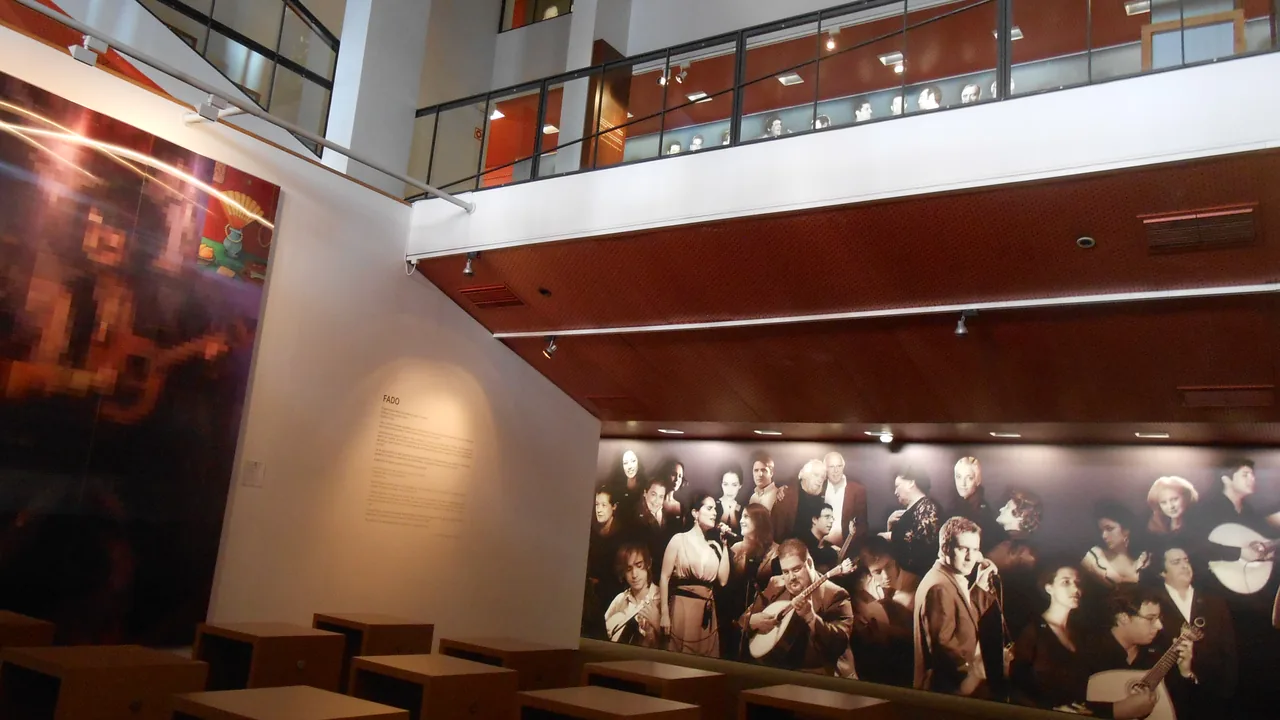
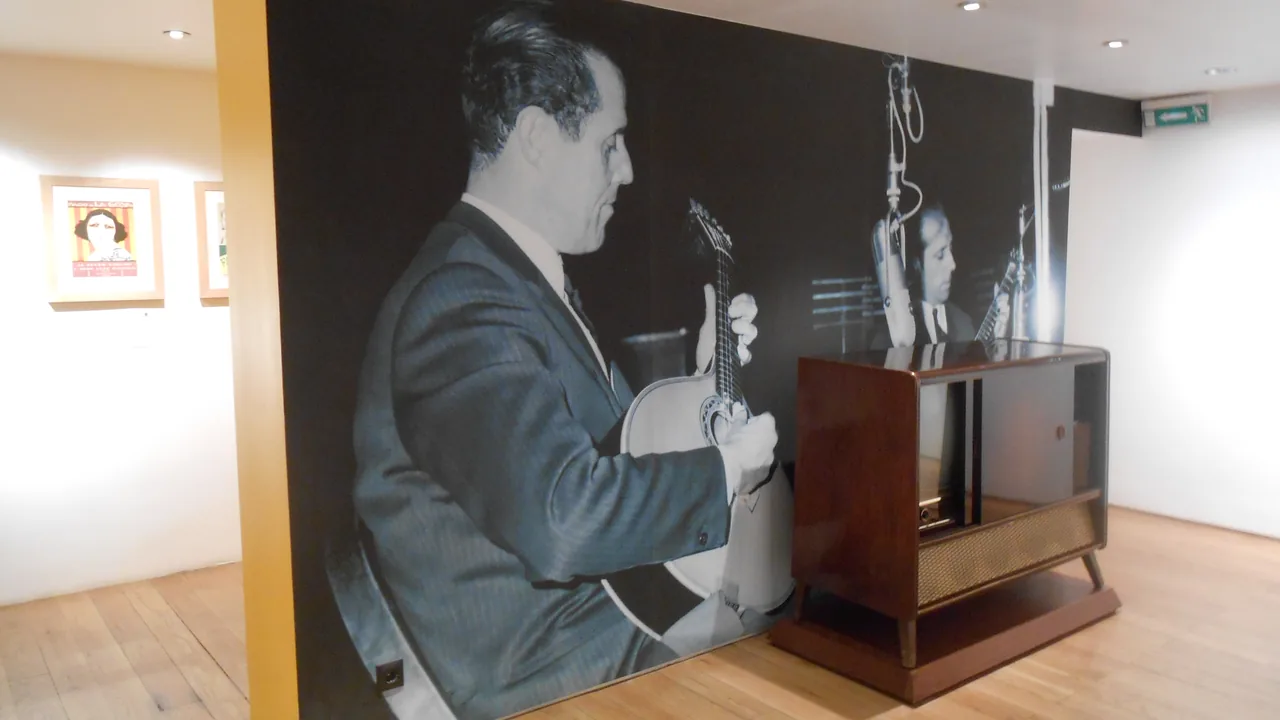
The Fado Museum asks you to listen as much as look. Recordings introduce voices with very different qualities, while guitars, photographs and personal possessions bring the people behind them into view. You do not need to know the singers before arriving. Finding one whose voice makes you stop is a good place to begin.
This is a useful visit before an evening of live fado. A little familiarity with the instruments and the way a singer shapes a phrase can change what you hear later. The museum also gives you something a single performance cannot: the chance to compare generations of musicians and follow the music beyond the small room in which you first encountered it.
Come if you are curious about music, interested in Portuguese cultural life or hoping to understand more of Alfama than its appearance. The collection is compact, but listening takes time. Someone who enjoys comparing recordings could stay considerably longer than a visitor who mainly wants to see the instruments and learn the broad outline.
Look closer
Try several recordings instead of treating each listening point as a box to tick. Listen to the space a singer leaves between phrases, the strength or restraint of the delivery and the way the accompaniment answers. You may hear the differences more clearly on a second attempt. Make a note of a name you would like to explore further.
The rounded body and distinctive headstock make the Portuguese guitar easy to recognise. The museum follows its development alongside the music. Look at the instruments, then listen for their bright, ringing sound in the recordings. Separating that sound from the lower accompaniment helps you follow the musical conversation around the singer.
Portraits, documents and personal objects place celebrated performers alongside the wider community that sustained fado. Songwriters, instrument makers and amateur musicians all mattered. The collection grew through contributions from people involved in the music, giving these objects a connection with working lives as well as public careers.
Amália Rodrigues is an essential reference, but leave time for other voices. Compare what you hear with the photographs and biographical material around you. The pleasure lies in discovering personal styles, not learning a definitive list of great singers. You can carry those discoveries into the rest of your stay.
The visitor perspective
Listening is the part visitors most often single out. Enthusiastic accounts describe discovering unfamiliar singers, comparing expressive voices and leaving with an appetite for more music. Several people wish they had allowed longer. For them, the pleasure comes from spending time with the recordings rather than simply completing a circuit of the displays.
The experience is less consistent when the equipment disappoints. Some reviewers report missing audio or faulty devices. Others would have liked a clearer introduction to fado’s social history. The museum can feel more rewarding to an interested listener than to someone expecting a straightforward lesson from beginning to end.
Pair the visit with a performance on another occasion. Reviewers often describe the two experiences as complementary. If you arrive with little knowledge of the music, choose a few voices to follow and ask staff for guidance instead of trying to absorb every biography.
Visitor feedback reviewed:
The story
The museum opened in 1998 to document a musical tradition deeply rooted in the city’s older neighbourhoods. Its collections were built with the help of singers, musicians, writers and their families. Posters and recordings sit alongside the less glamorous evidence of a profession, including contracts and licences.
Fado’s wider audience grew through theatre, records, radio, cinema and television. The museum traces those connections as well as the intimate setting of the fado house. It is a useful reminder that this music has developed through changing technologies and audiences; it has never belonged solely to an imagined, unchanging past.
Amália helped bring the music to international audiences and broadened its repertoire through poetry and new musical collaborations. Her career offers one route into that history. The museum’s work extends beyond the exhibition, through research, teaching and the preservation of recordings, keeping the people who perform the music closely involved.
Planning your visit
For current opening hours and ticket details, visit the official website.
Official visitor information ↗The area
The museum faces Largo do Chafariz de Dentro, below the steep lanes of Alfama. It makes a practical starting point for exploring the neighbourhood: visit the museum, then head uphill through the streets around São Miguel. Santa Apolónia station lies to the east. The square is also a useful place to pause before tackling the climb.
Alfama area guideWhat to see, how to get around and where to stay. Open map
Questions about this place
No. You can begin with the instruments and listen for differences between singers. The museum is easier to enjoy when you follow a few interests than when you try to remember every name.
The exhibition is based on recordings, objects and interpretation. The museum also organises performances, but these are separate events. Do not assume that an ordinary museum visit includes a concert.
The museum offers an English audio guide. Ask for it on arrival and check that the equipment is working before starting your visit.
A fado house gives you the shared experience of a live performance. The museum lets you explore the history, study the instruments and compare many different singers at your own pace.
More of Lisbon
Visitar editorial team
Based on official visitor information, historical and collection records, and a sample of individual traveller reviews.
Visit times are estimates. The guide is based on published sources; it does not include an on-site inspection. Photographs come from credited sources and may show earlier displays or arrangements.
Content reviewed: · Visitar.com
Image resized for display; full source and licence linked.