Art, objects & performing traditions
90–150 min
Time for the main collection themes and a closer look at selected screens, porcelain and other works of craftsmanship.
Asian art & cultural history museum · Alcântara waterfront
Museu do Oriente
Screens, porcelain and performing arts reveal connections between Portugal and the cultures of Asia.
At a glance
90–150 min
Time for the main collection themes and a closer look at selected screens, porcelain and other works of craftsmanship.
Photographs


What to see
A painted screen or a porcelain dish can tell a surprisingly complicated story. At the Museum of the Orient, objects made in Asia record the tastes, beliefs and trading relationships that carried them across the world. Look closely and you begin to notice how makers responded to unfamiliar customers, how images travelled and how much a small decorative detail can reveal.
The museum offers a different perspective on the maritime history encountered elsewhere in the city. Here the focus is on objects and the cultures that produced them, with Portuguese connections providing one thread through a much wider subject. The collections also reach into performance and religious traditions, giving the visit more range than a display of trade goods alone.
Allow time if you enjoy Asian art, decorative craftsmanship or the history of cultural exchange. This is a museum for patient looking, with rich displays and interpretation that rewards attention. It can also suit older children with an interest in the countries represented, especially if you choose a few objects to explore together rather than attempting every case.
Look closer
Chinese and Japanese screens reward a change of distance. Step back to take in the complete arrangement, then look closely at a section of the painted surface. Figures, buildings and small incidents can turn what first appears to be decoration into a detailed account of a place or encounter. Give one screen enough time for those details to emerge.
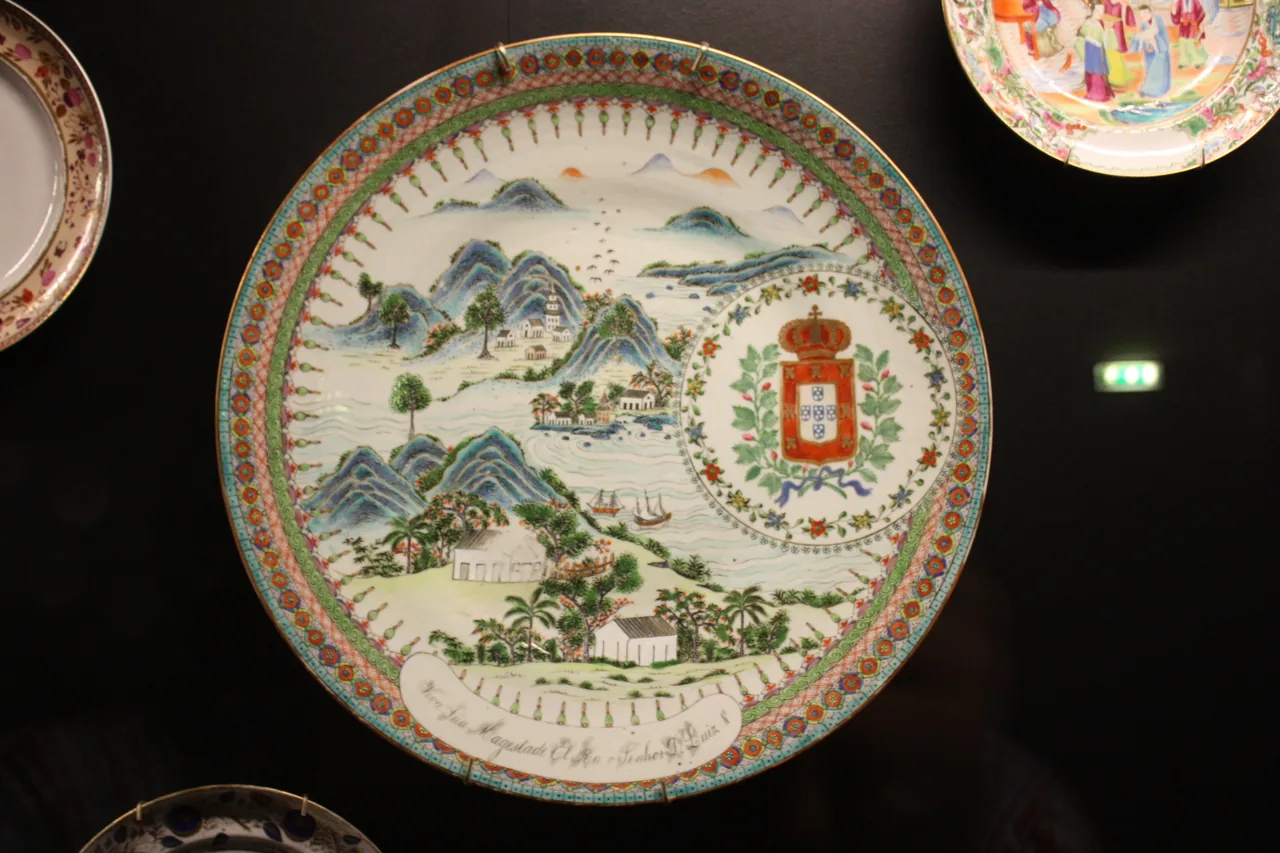
Look for the meeting of Asian workmanship and European taste in porcelain, furniture and other decorative pieces. A coat of arms on a dish is a useful clue to the customer for whom it was made. The most interesting question is often how the maker interpreted the commission, rather than simply where the object ended up.
This collection concerns Asian performance, ritual and popular religious traditions, with holdings that include masks, puppets, costumes and musical instruments. When exploring the selections on display, read about how an object was used. A mask intended for movement and performance means much more once you can imagine it beyond the glass case.
Do not let the scale of the larger pieces draw you past the smaller work. Decoration, joins and tiny painted details can reveal extraordinary patience. Choose a material that interests you, such as porcelain or lacquer, and follow it through a few examples. That gives a varied collection a manageable thread without reducing it to a list of countries.
The visitor perspective
Visitors who enjoy decorative arts often find much more here than they expected. Screens, porcelain and the variety of the collections feature prominently in their accounts. Several describe an absorbing visit away from the busiest sightseeing circuit, with enough material to hold the attention of someone already interested in Asian cultures.
The subdued lighting is a recurring reservation, particularly when reading labels. The quantity of material can also become tiring during a long visit. A few accounts mention difficulty finding the entrance, so it helps to plan the approach rather than assume the waterfront location will make everything immediately obvious.
Give the objects you enjoy most a generous share of your time. The strongest reviews describe discoveries and close attention to particular displays, rather than a quick sweep through every room. A focused visit with time to read is likely to leave a clearer impression than pressing on after your concentration has gone.
Visitor feedback reviewed:
The story
The museum opened in 2008 as a major public expression of the Fundação Oriente’s work. One of its principal collections examines the Portuguese presence in Asia through art and documentary material. Objects from different countries and periods bring trade, belief, collecting and cultural contact into the same account.
The Kwok On collection followed a different path. The scholar Jacques Pimpaneau developed it from objects given to him in 1971 by Kwok On, a Hong Kong banker with a deep interest in Chinese theatre. It grew into a much wider record of Asian performing traditions before being donated to the Fundação Oriente in 1999.
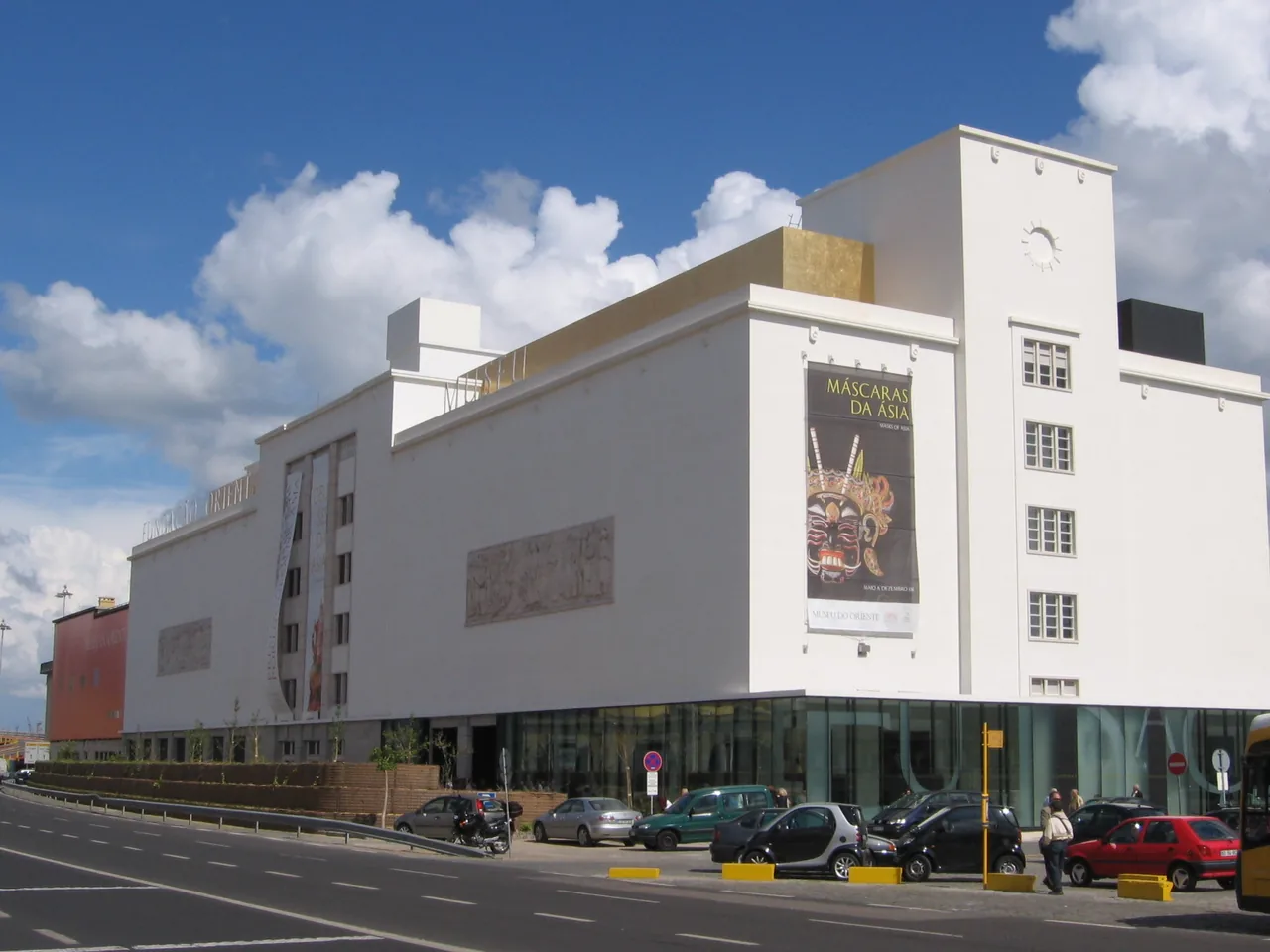
The building has its own connection with the movement of goods. Known as the Pedro Álvares Cabral building, it was constructed as refrigerated storage for cod. Its conversion into a museum preserved a substantial piece of waterfront industrial architecture while giving the interior an entirely different purpose. The plain exterior makes the intricate objects within all the more striking.
Planning your visit
For current opening hours and ticket details, visit the official website.
Official visitor information ↗The area
The museum occupies a large former warehouse beside Avenida Brasília at Doca de Alcântara Norte. Despite its name, it is nowhere near Oriente station or Parque das Nações. Plan for the Alcântara waterfront instead, and use the museum’s full address when arranging transport. Nearby roads and railway lines make it sensible to identify the pedestrian approach before setting off.
 Open map
Questions about this place
No. It is on the Alcântara waterfront, west of the historic centre. Oriente station is in Parque das Nações, in a different part of the city.
No. Portuguese connections with Asia form one major collection theme. The museum also explores Asian art, cultural traditions and performing arts in their own right.
It is a collection relating to Asian performing arts, ritual and popular religious traditions. Its holdings include masks, puppets, costumes and instruments; the selection on display changes.
Allow roughly 90 minutes to two and a half hours, depending on how much interpretation you want to read. If Asian art is a particular interest, choose a longer visit with a break.
More of Lisbon
Visitar editorial team
Based on official visitor information, historical and collection records, and a sample of individual traveller reviews.
Visit times are estimates. The guide is based on published sources; it does not include an on-site inspection. Photographs come from credited sources and may show earlier displays or arrangements.
Content reviewed: · Visitar.com
Image resized for display; full source and licence linked.