The church & dome from below
20–40 min
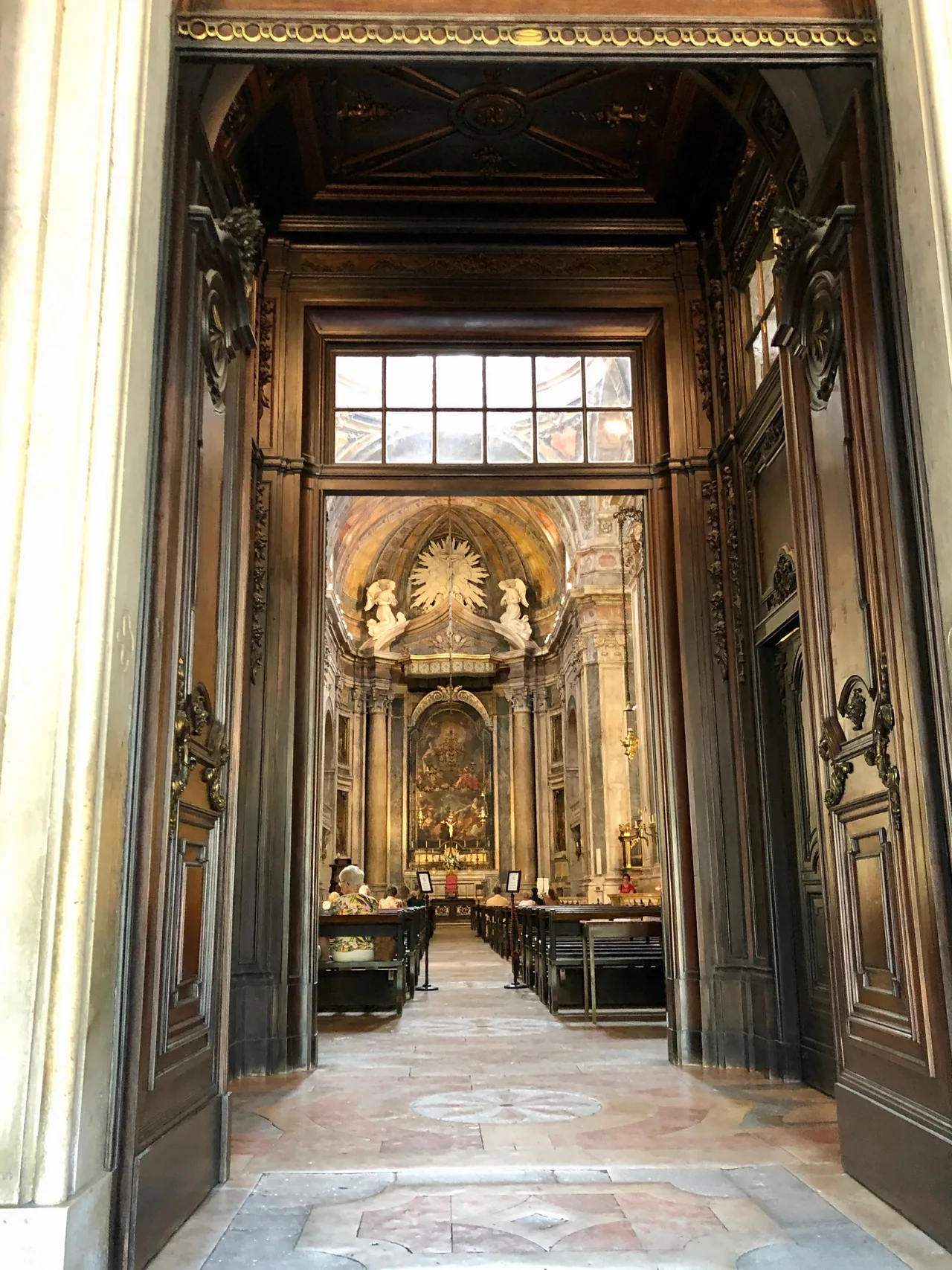
An attentive look at the nave, coloured marble, main altar and dome.
Basilica & sacred art · Estrela
Basílica da Estrela
A great white dome above the neighbourhood, coloured marble within, and a Nativity scene filled with the small details of everyday life.
At a glance
20–40 min
An attentive look at the nave, coloured marble, main altar and dome.
45–75 min
A fuller visit with time to study the Nativity’s small figures, subject to its separate viewing arrangements.
Photographs


What to see
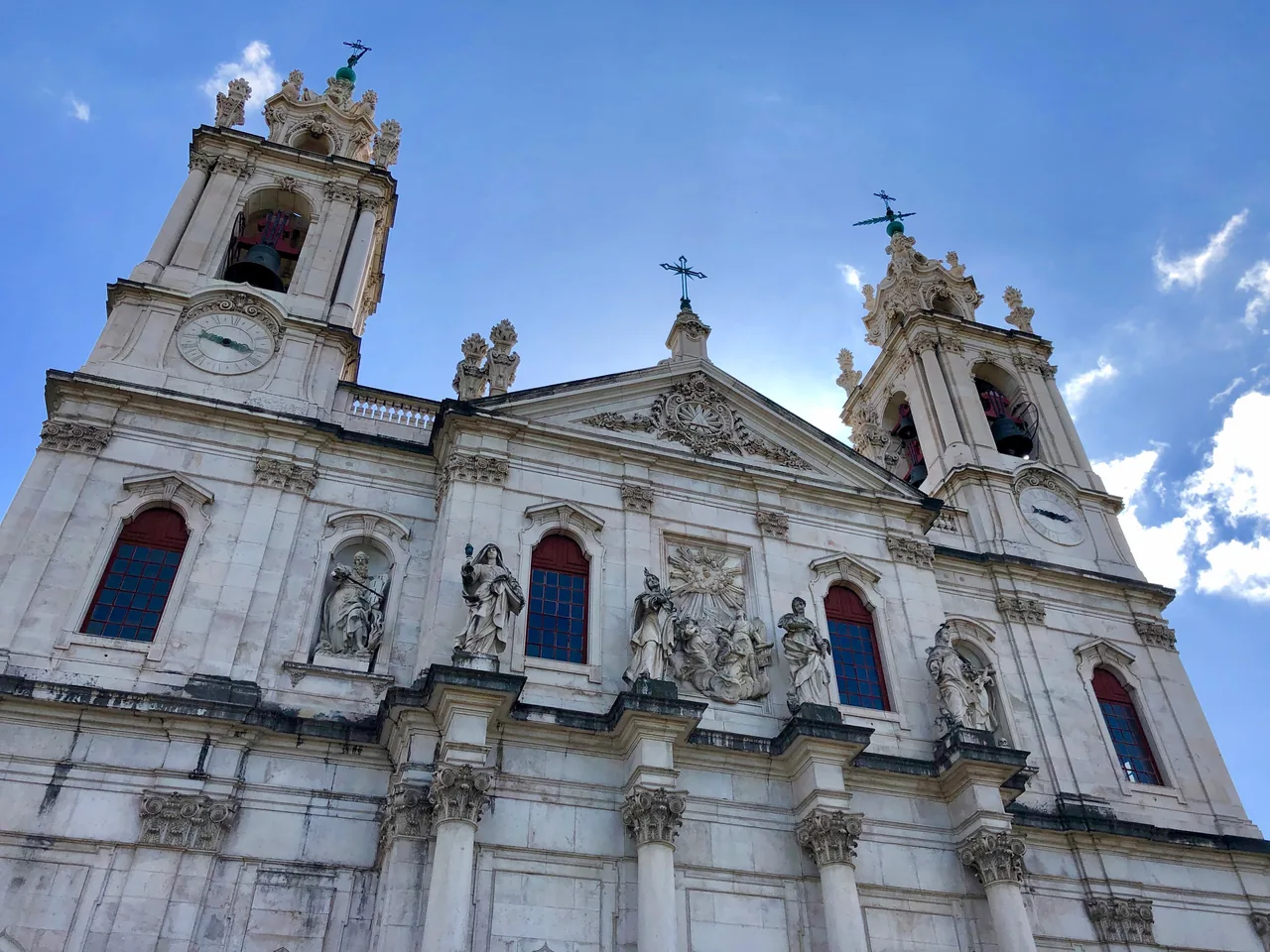
Basílica da Estrela is easy to recognise from a distance: its dome and twin bell towers rise above the streets west of the centre. Close up, the broad façade has a measured grandeur, facing the trees of Jardim da Estrela across the road. The interior deserves more than the brief glance often given from the doorway.
Colour does much of the work here. Pale, pink and darker marbles form patterns around the nave, drawing your eye towards the dome and main altar. The great architectural scale is only part of the visit, however. The elaborate Nativity associated with Machado de Castro’s workshop offers an altogether smaller world of figures, buildings and everyday activity.
The basilica is particularly rewarding for visitors who enjoy decorative arts, church architecture or detailed craftsmanship. It also makes a satisfying neighbourhood outing with the garden opposite. You can choose between a short look around the church and a fuller visit that gives the Nativity proper attention.
Look closer
Walk far enough into the nave to see how the different stones form borders, panels and architectural divisions. The decoration is more controlled than a wall of gilded carving, but no less elaborate. Looking along the floor and then upwards helps you appreciate how the same use of colour organises the whole room.
Pause beneath the crossing and look into the dome. Its height and the light entering from above change the proportions of the interior. The building that looked so solid from the square suddenly feels much more open. Give yourself a moment here before moving towards the altars or smaller details.
The large cork and terracotta Nativity contains hundreds of figures. Alongside the sacred story, look for trades, costumes and ordinary activity drawn from eighteenth-century life. The workmanship rewards patience: start with the overall arrangement, then choose one small group and examine its gestures and surroundings. Ask about viewing arrangements when you arrive.
The queen who commissioned the basilica is commemorated by her tomb inside. Knowing her role makes the building easier to read as an expression of royal devotion as well as an impressive church. It also connects Estrela with the wider story of the Portuguese court, which you can explore at Ajuda.
The visitor perspective
The coloured interior and the calmer atmosphere are recurring pleasures in visitors’ accounts. Some are especially enthusiastic about the Nativity, which can become the highlight of the visit once they find it. The garden opposite also contributes to the appeal of spending time in this part of the city.
Other visitors are content with a brief look around the church. Accounts also show how expectations can go wrong when someone assumes the roof or Nativity follows the same arrangements as the nave. A little clarification on arrival can make a substantial difference.
If craftsmanship interests you, give the smaller details their share of the visit. If you mainly want to see the architecture, an unhurried look at the marble and dome may be enough. There is no need to turn every church stop into a long visit, but Estrela rewards a clear idea of what you came to see.
Visitor feedback reviewed:
The story
Maria I commissioned the basilica in fulfilment of a vow associated with the birth of a son. Work began in the late 1770s, with Mateus Vicente de Oliveira and then Reinaldo Manuel responsible for the design. The architecture belongs to the meeting of late Baroque decoration and a more restrained classical order.
The church was associated with a Carmelite convent. Its imposing scale, sculpture and costly materials reflect royal patronage, but some of its most absorbing work is on a miniature scale. The Nativity from Machado de Castro’s workshop brings scenes of ordinary life into an elaborate religious composition.
The basilica later became the parish church of Lapa. It remains a place of worship within a residential neighbourhood, even as its dome serves as a landmark across the city. That combination of royal monument and everyday church is part of what makes a visit here distinctive.
Planning your visit
For current opening hours and ticket details, visit the official website.
Official visitor information ↗The area
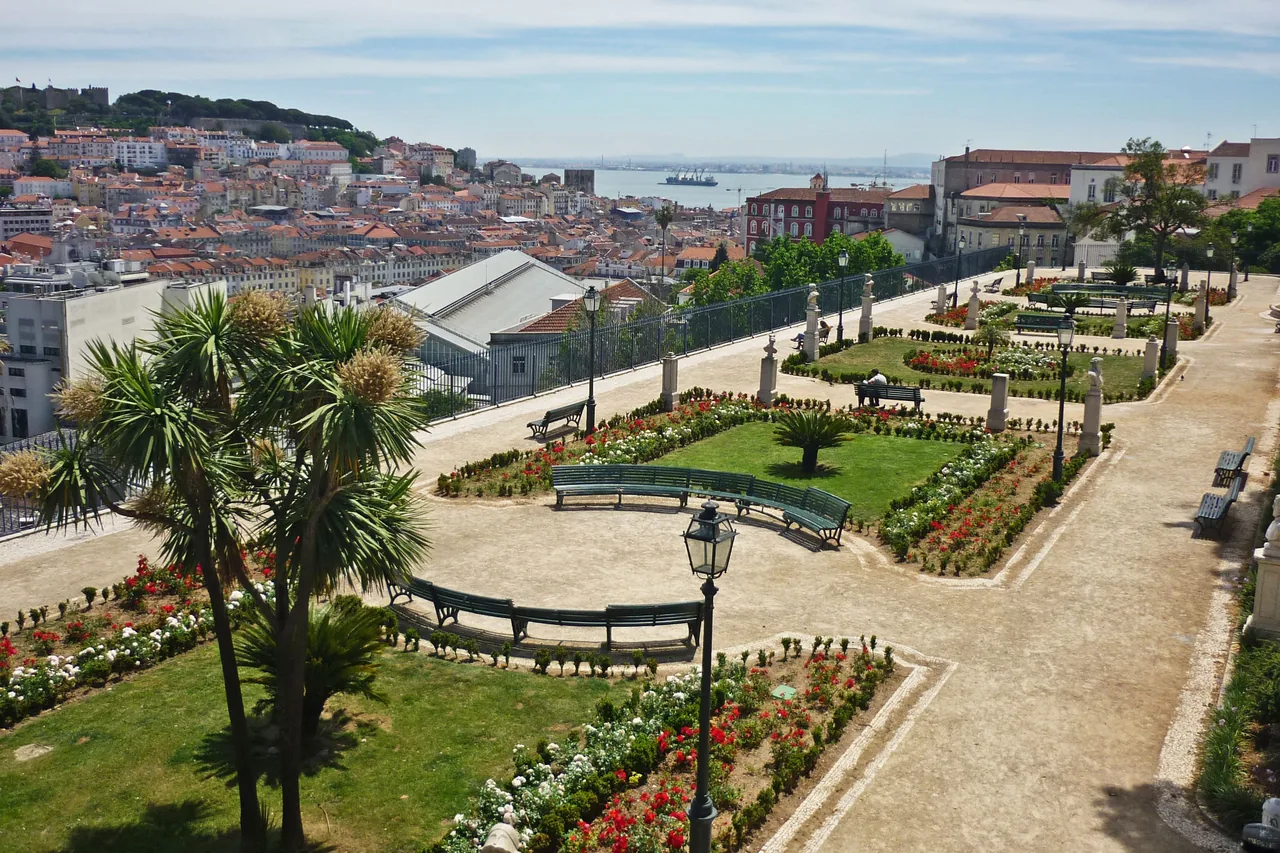
The basilica faces Jardim da Estrela, whose paths and mature trees make a natural pause after the church. From here, streets lead towards Lapa and São Bento. This is a good area for a slower outing, with the basilica as its focus, rather than another stop squeezed between sights on opposite sides of the city.
 Open map
Questions about this place
Its white dome, imposing façade and coloured marble interior. The elaborate Nativity associated with Machado de Castro’s workshop is another important reason to visit.
It is a historic work associated with the basilica, rather than a seasonal set of decorations. It has separate viewing arrangements, so ask on arrival instead of assuming it is part of an unrestricted walk through the nave.
Visitors have been able to visit the upper parts of the basilica under separate arrangements. Ask locally about access for your visit; entering the church does not in itself include a roof visit.
Around 20–40 minutes suits the church alone. Allow roughly 45–75 minutes if you also want to study the Nativity, with additional time for any visit to the upper parts.
No. The public garden is across the road. It combines easily with the church but has its own character, with mature trees, paths and places to sit.
More of Lisbon
Visitar editorial team
Based on official visitor information, historical and collection records, and a sample of individual traveller reviews.
Visit times are estimates. The guide is based on published sources; it does not include an on-site inspection. Photographs come from credited sources and may show earlier displays or arrangements.
Content reviewed: · Visitar.com
Image resized for display; full source and licence linked.