Architecture & waterfront
30–45 min
A walk around the gallery and power-station exteriors, with time for the riverside setting and the public roof route when accessible.
Art, architecture & industrial heritage · Belém
MAAT - Museu de Arte, Arquitetura e Tecnologia
A curving white gallery and a brick power station share the Belém waterfront. Walk around the architecture, then step inside to choose between contemporary art and the machinery that once powered the city.
At a glance
30–45 min
A walk around the gallery and power-station exteriors, with time for the riverside setting and the public roof route when accessible.
90–150 min
Time for Central Tejo, the contemporary programme and a look around outside. Your interest in the exhibitions will determine how long you stay.
Photographs



What to see
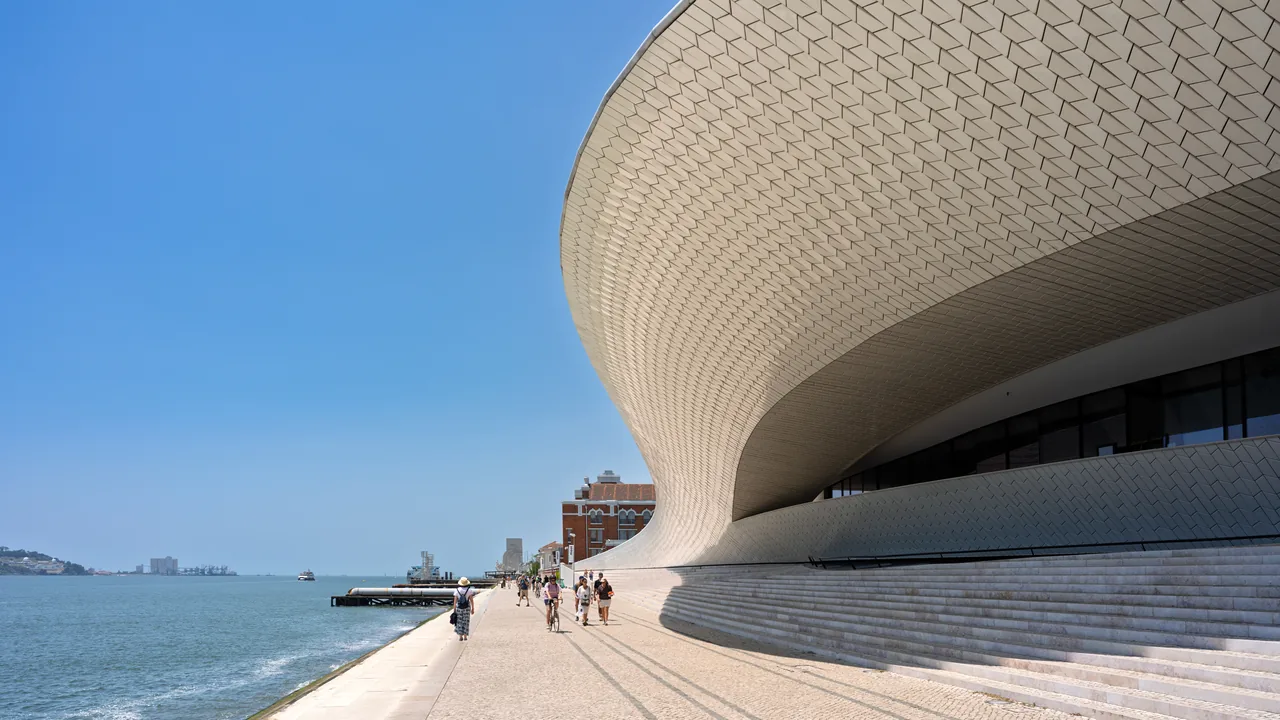
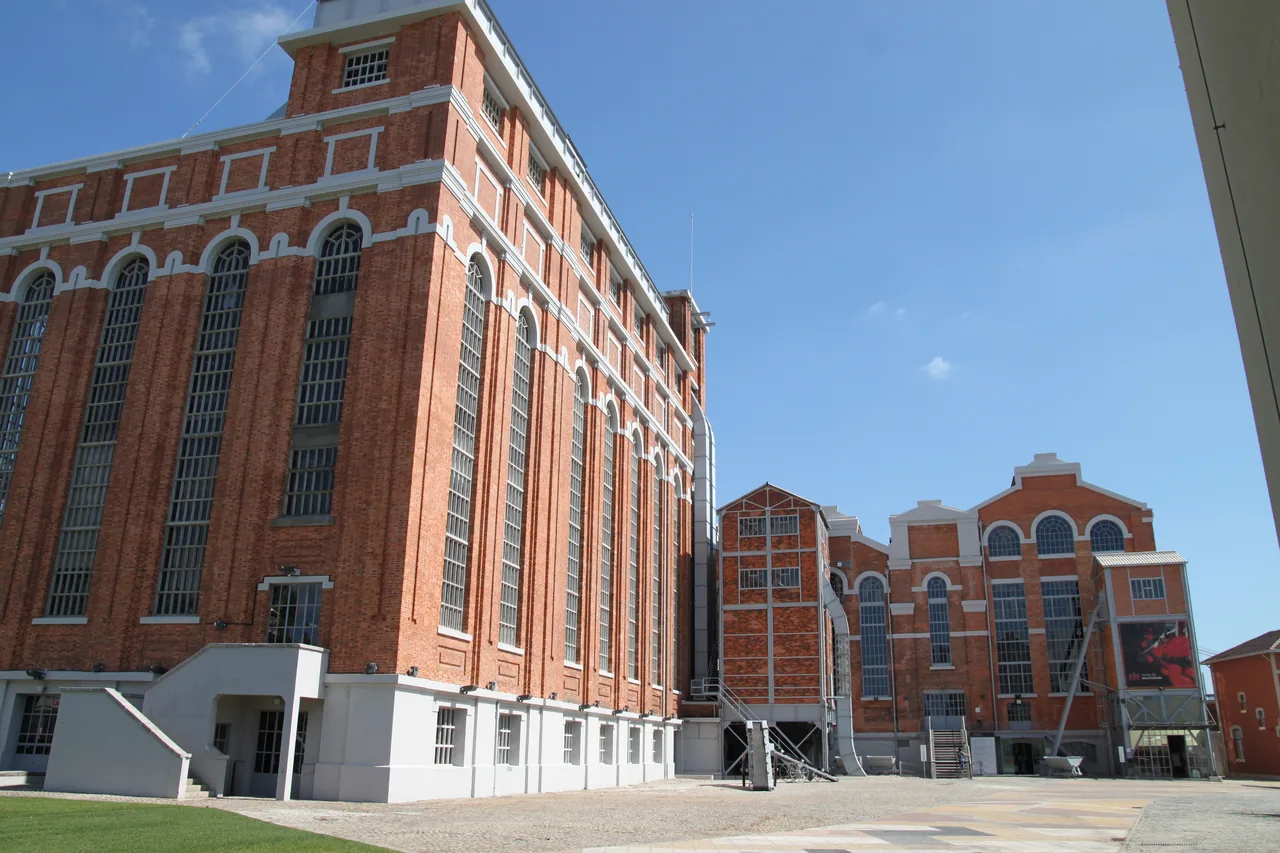
MAAT brings together two very different buildings beside the Tagus. The low, tiled gallery has a roof that becomes part of the riverside walk. Next door, the red-brick Central Tejo preserves the scale and machinery of an old power station. Art, architecture and industrial history each offer a different reason to visit.
The contrast is the starting point. Outside, the gallery changes shape as you walk around it, with light catching the tiles beneath its overhanging edge. Inside the power station, boilers, pipes and metal walkways make the production of electricity feel physical and surprisingly large. The contemporary galleries add another experience, shaped by the exhibition programme rather than a permanent room-by-room display.
MAAT can appeal to several kinds of visitor, but not necessarily in the same way. Architecture enthusiasts may be happiest outside and on the roof; people interested in engineering will find plenty in Central Tejo. Choose the contemporary galleries according to the work being shown, especially if modern art is not usually your first choice.
Look closer
Approach from more than one direction. From the side, the building is a low sweep beside the water; closer to the entrance, its projecting edge becomes much more dramatic. Look underneath as well as at the outline. Light reflected from the river and the pattern of the ceramic surface give the architecture detail that a distant photograph can miss.
The roof forms an outdoor terrace rather than the hidden top of a conventional museum. From the accessible public route, the river and bridge become part of the architectural experience. Walk around the grounds as well: the space between the two buildings helps you appreciate their very different materials and proportions. Follow any restrictions affecting the roof on the day.
Inside the former power station, the original equipment gives the building its purpose. The displays explain how burning coal heated water to produce steam, which drove turbines to generate electricity. The scale is the surprise. Boilers, pipes and walkways surround you, making the building’s working life unusually easy to imagine.
The gallery programme can range across art, architecture and technology. The rooms are designed to accommodate different kinds of work, so the interior experience changes with the exhibitions. Read the programme before deciding how much time to devote to it. If a particular subject interests you, leave room to engage with that work rather than expecting a quick continuation of the power-station visit.
The visitor perspective
The architecture and riverfront setting receive strong praise in the accounts we read. Visitors enjoy walking around the gallery and looking towards the bridge, sometimes without going inside. Among those who explore the interiors, the old power station is a frequent surprise: its machinery and industrial scale can become the most memorable part of the visit.
Responses to the contemporary galleries are more mixed. Some visitors connect with the work on display; others find the exterior more compelling than the exhibitions. A few accounts also reveal confusion about the two buildings, with people discovering too late that they had missed the power station.
Decide what you want from MAAT before arriving. If machinery and industrial history appeal, leave proper time for Central Tejo. Look at the contemporary programme on its own merits, and keep a little time for the waterfront. Giving each part its own time makes the differences between them an advantage.
Visitor feedback reviewed:
The story
Central Tejo began producing electricity in 1909 and expanded over subsequent decades. Its position on the river served an industrial city with a growing demand for power. The brick façades enclose large metal structures and machinery, combining a carefully designed exterior with the practical requirements of an electricity factory.
After its working life ended, the power station was preserved and opened as the Electricity Museum in 1990. Restoration of the buildings and equipment allowed the industrial story to remain visible. The permanent Electricity Factory exhibition now forms a central part of a visit to MAAT Central.
The contemporary gallery opened in 2016, designed by Amanda Levete’s practice AL_A. Rather than placing a conventional box beside the old station, the architects made a low building that visitors could move around and over. Landscape design by Vladimir Djurovic linked the riverside spaces. The resulting site lets the older industrial building and new gallery retain their separate identities.
Planning your visit
For current opening hours and ticket details, visit the official website.
Official visitor information ↗The area
MAAT stands on Avenida Brasília, on the river side of the railway and east of central Belém. The waterfront paths connect the gallery and power station, while pedestrian crossings link the site with the neighbourhood inland. It makes a natural stopping point on a longer walk along the Tagus, with the 25 de Abril Bridge prominent to the east.
 Open map
Questions about this place
It stands for Museu de Arte, Arquitetura e Tecnologia: Museum of Art, Architecture and Technology. The name reflects the different subjects brought together across the site.
The former Electricity Museum at Central Tejo is now part of MAAT. The site includes the red-brick power station, the contemporary gallery beside it and the outdoor spaces between them.
Yes. The riverside setting and the gallery’s exterior are substantial attractions in their own right. The public outdoor route lets you appreciate the architecture, subject to any local restrictions on access.
Start with the Electricity Factory exhibition in Central Tejo. It uses the former power station’s machinery and industrial spaces to explain electricity production. The contemporary gallery offers a different, programme-led experience.
Around 30–45 minutes works for the architecture and waterfront. Allow roughly 90 minutes to two and a half hours for an interior visit across the power station and galleries, depending on the exhibitions and your interests.
More of Lisbon
Visitar editorial team
Based on official visitor information, historical and collection records, and a sample of individual traveller reviews.
Visit times are estimates. The guide is based on published sources; it does not include an on-site inspection. Photograph dates appear in the gallery captions.
Content reviewed: · Visitar.com
Image resized for display; full source and licence linked.