A one-way ride
15–25 min
The ride is usually about 8–12 minutes. This allowance includes getting through the station, but not a walk back along the waterfront.
Riverside cable car · Parque das Nações
Telecabine Lisboa
Glide above the waterfront at Parque das Nações, with the broad Tagus on one side and the park on the other. A one-way ride and a walk back make an enjoyable combination.
At a glance
15–25 min
The ride is usually about 8–12 minutes. This allowance includes getting through the station, but not a walk back along the waterfront.
25–40 min
An allowance for both directions and the station transitions. Leave additional time if you plan to explore the park at the far end.
Photographs


What to see
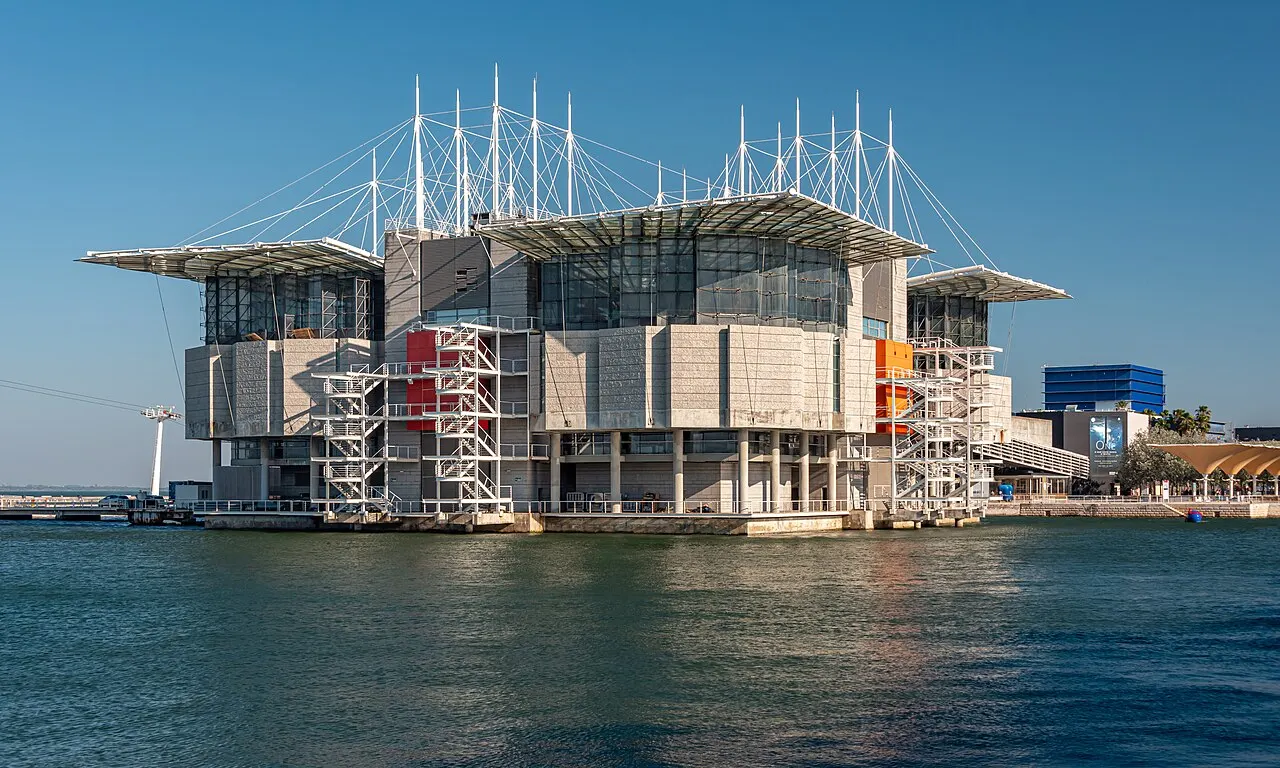
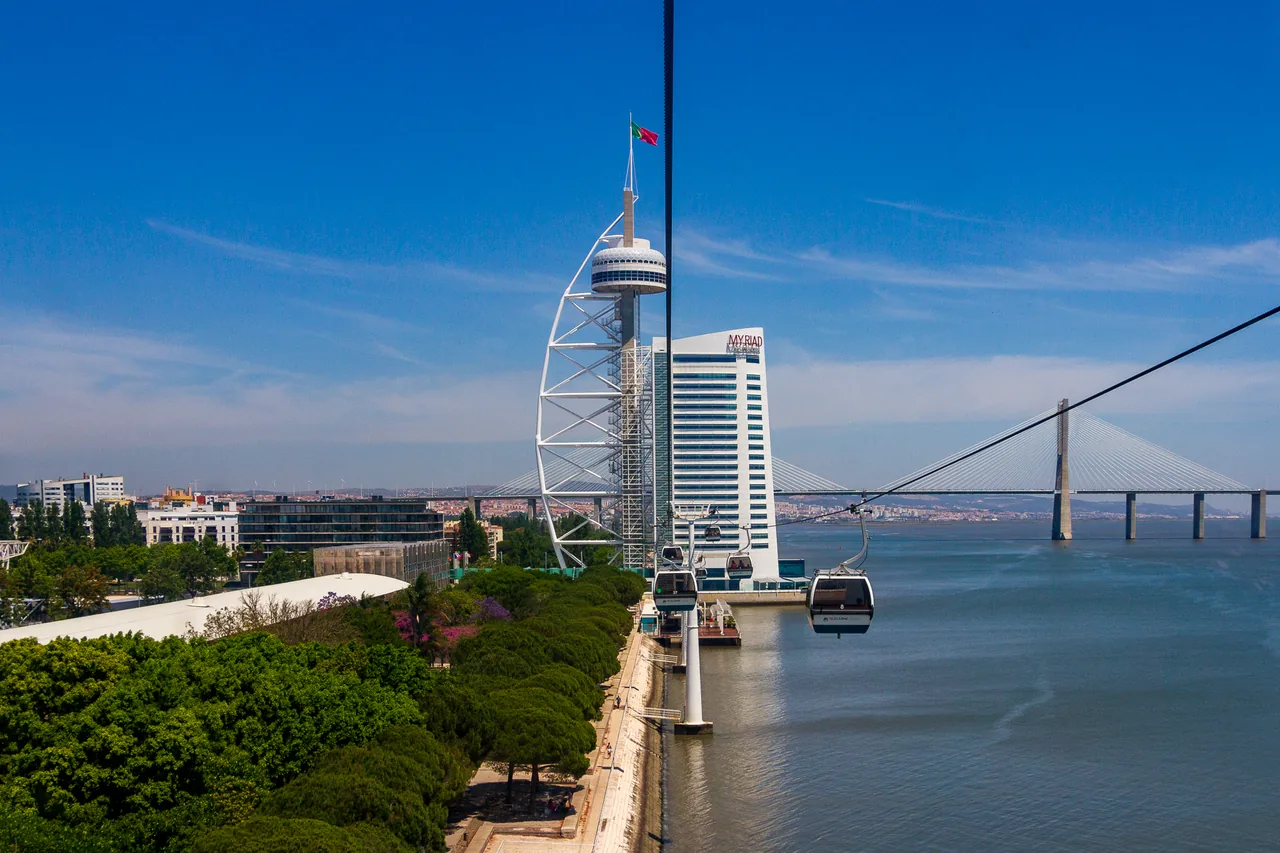
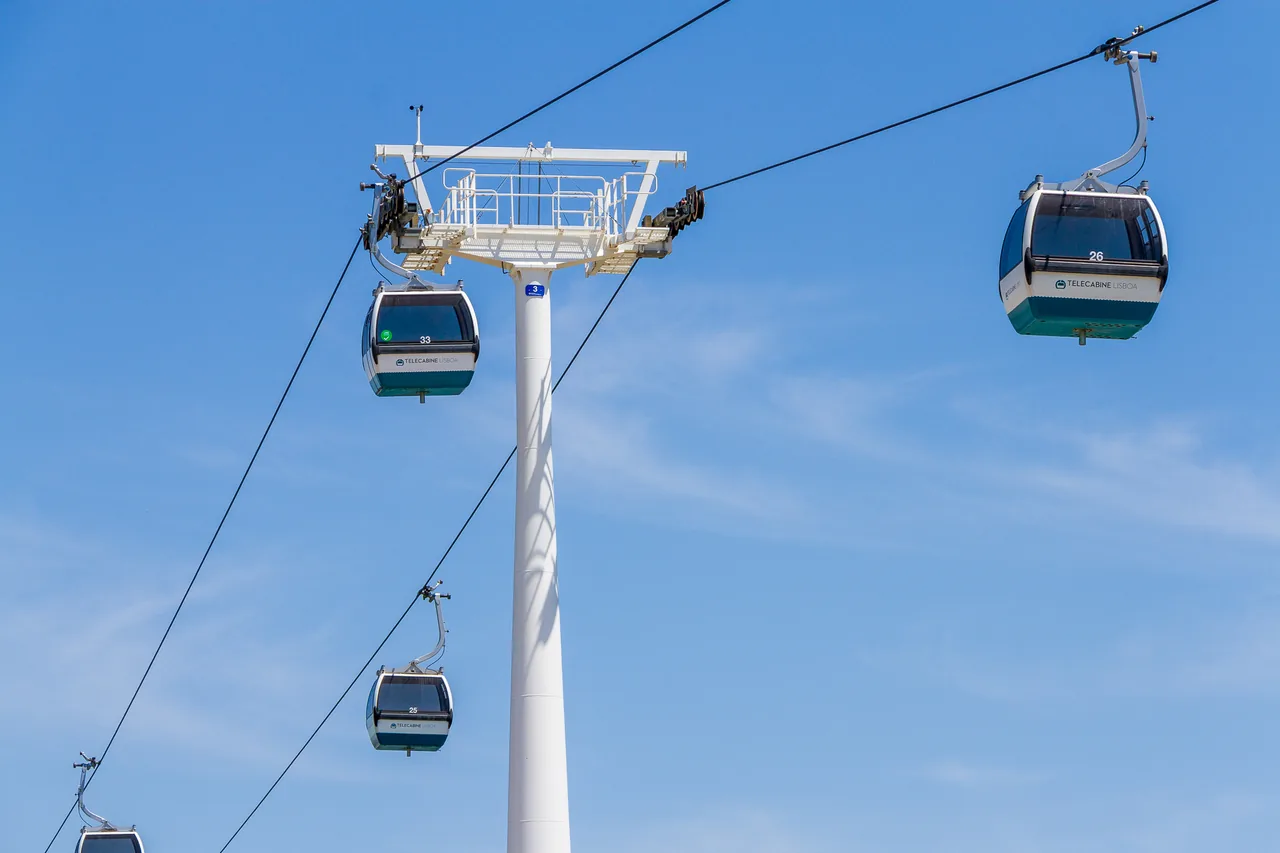
Telecabine Lisboa follows the riverfront at Parque das Nações, between the area beside the Oceanarium and the Vasco da Gama Tower. Its enclosed cabins travel along the edge of the Tagus, giving a gently changing view of the modern waterfront. This is the Lisbon of broad promenades, landscaped spaces and Expo-era buildings.
From above, the relationship between the river, gardens and buildings is much clearer than it is at pavement level. The route is short enough to fit comfortably around another visit in the park. Its most appealing use is often one way by cable car and the other on foot, comparing the elevated panorama with the details of the promenade below.
The ride suits a relaxed outing around Parque das Nações and can be a pleasing change of pace after the Oceanarium. It is less compelling as a long journey across the city solely for a few minutes in a cabin. Anyone expecting views over Alfama or the castle has the wrong part of Lisbon in mind.
Look closer
The most striking part of the ride is the breadth of water beside you. Look along the bank as well as across it: the changing angle reveals the curve of the waterfront and the spaces between the buildings. This is an estuary view, with a much more open feeling than the streets of the historic centre.
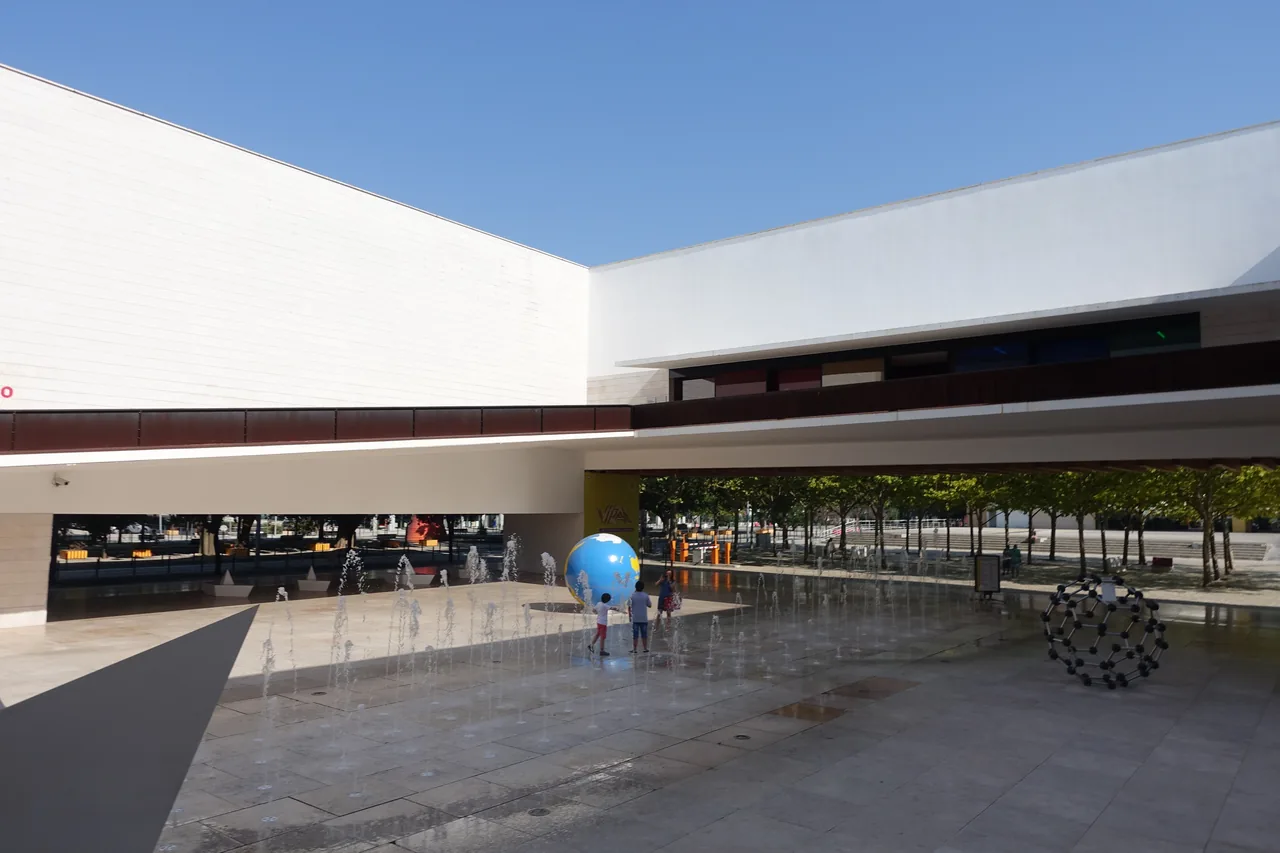
Paths, planted areas and water features form patterns that are harder to appreciate on foot. Use the height to choose somewhere you would like to explore afterwards. A cable-car ride can give you an overview of the district without replacing the slower walk that makes those spaces interesting at ground level.
The tower marks the northern end of the route, while the much larger bridge stretches across the estuary beyond. They are different structures with the same commemorative name. As the cabin approaches the tower, the sense of scale changes; the building becomes part of your immediate surroundings rather than a distant marker.
If you choose a one-way ride, leave time to come back beside the water. The promenade gives you a second view of the same setting, now with the sound and activity of the park around you. It is a simple way to make a short ride part of a more substantial visit to the neighbourhood.
The visitor perspective
The visitors whose accounts we read mainly enjoy the broad river views and the relaxed change of perspective. Several describe it as a pleasant addition to time already being spent in Parque das Nações. Clear weather helps the experience, especially when the park and the distant bridge are easy to see.
The main qualification is its brevity. Some people would not make a separate trip across Lisbon for it, even though they enjoyed the ride itself. That seems a useful way to judge it: a small part of a good waterfront outing, with the surroundings contributing much of the pleasure.
A one-way journey followed by a walk gives the same area two quite different perspectives. Choose a return if you would rather stay in the cabin experience or need to get back to your starting point. There is no need to make the longer option the default.
Visitor feedback reviewed:
The story
The cable car was installed for Expo ’98, the world exhibition that transformed this stretch of eastern Lisbon. The waterfront became a place of public gardens, visitor attractions and large contemporary buildings. The aerial ride was designed as part of that new riverside setting.
The system was built by Doppelmayr and runs for approximately 1.2 kilometres. Cabins circulate between the two stations, moving slowly through them for boarding. The engineering allows the route to operate as a continuous sequence of small cabins rather than a single large car travelling back and forth.
After the exhibition, the cable car remained as part of Parque das Nações. Its lasting appeal depends on the surrounding landscape: the open river, the park and the buildings created during the area’s redevelopment. It offers a view of that chapter of Lisbon’s history, well away from the older hilltop neighbourhoods.
Planning your visit
For current opening hours and ticket details, visit the official website.
Official visitor information ↗The area
The southern station is on Passeio de Neptuno, close to the Oceanarium. The northern station is near the Vasco da Gama Tower on Passeio das Tágides. The line runs along the same bank of the Tagus, so either end can form part of a waterfront walk. This map marks the southern station.
This is a route through the city. The map marks a reference point to help you find your bearings.
 Open map
Questions about this place
No. It runs along the waterfront at Parque das Nações, on the same bank of the river. It is a sightseeing ride beside the estuary, not a crossing to the opposite shore.
This route overlooks Parque das Nações and the Tagus in the eastern part of the city. Choose one of the central hilltop viewpoints for the castle, Alfama and Baixa.
One way works well if you want to walk back along the promenade. Choose a return if you prefer to finish near your starting point without making that walk. Both stations serve the same riverside park.
The operator gives approximately 8–12 minutes for one direction. Allow about 15–25 minutes at the venue for a one-way visit, or 25–40 minutes for a return, with a separate allowance for any substantial queue.
More of Lisbon
Visitar editorial team
Based on official visitor information, historical and collection records, and a sample of individual traveller reviews.
Visit times are estimates. The guide is based on published sources; it does not include an on-site inspection. Photograph dates appear in the gallery captions.
Content reviewed: · Visitar.com
Image resized for display; full source and licence linked.