A market-day browse
45–90 min
Time to explore the stalls and examine a few finds on a Tuesday or Saturday. Collectors can easily spend longer.
Flea market · São Vicente
Feira da Ladra
Old books, mismatched crockery and the occasional find you had no idea you wanted: Feira da Ladra rewards a good rummage.
At a glance
45–90 min
Time to explore the stalls and examine a few finds on a Tuesday or Saturday. Collectors can easily spend longer.
Photographs


What to see
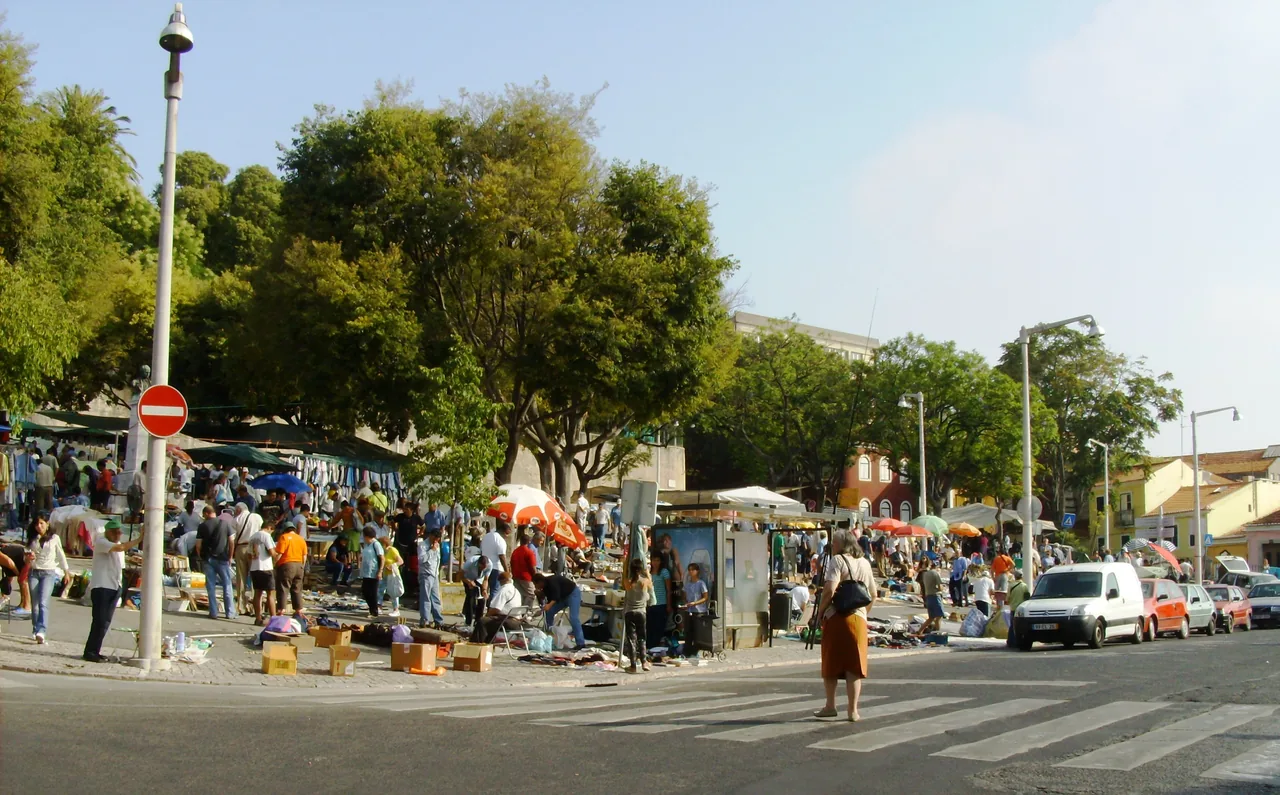
On market days, Campo de Santa Clara fills with an assortment of objects that resists any tidy description. Books sit beside clothes, ceramics beside old household fittings, and carefully arranged stalls beside goods spread close to the pavement. Feira da Ladra is a flea market, with all the uncertainty and pleasure that implies.
Come for the process of looking. You might find something distinctive, or simply spend an hour noticing the things people have kept, discarded and offered for sale again. The mix also includes newer goods and souvenirs, so this is not a carefully selected antiques fair. Its character lies in the unevenness of the stock and the conversations around it.
The market suits people who enjoy second-hand shops, collecting and browsing without a shopping list. It is less likely to impress if you expect guaranteed bargains or stalls devoted entirely to traditional crafts. You can enjoy the atmosphere without buying anything, particularly as part of a walk around São Vicente.
Look closer
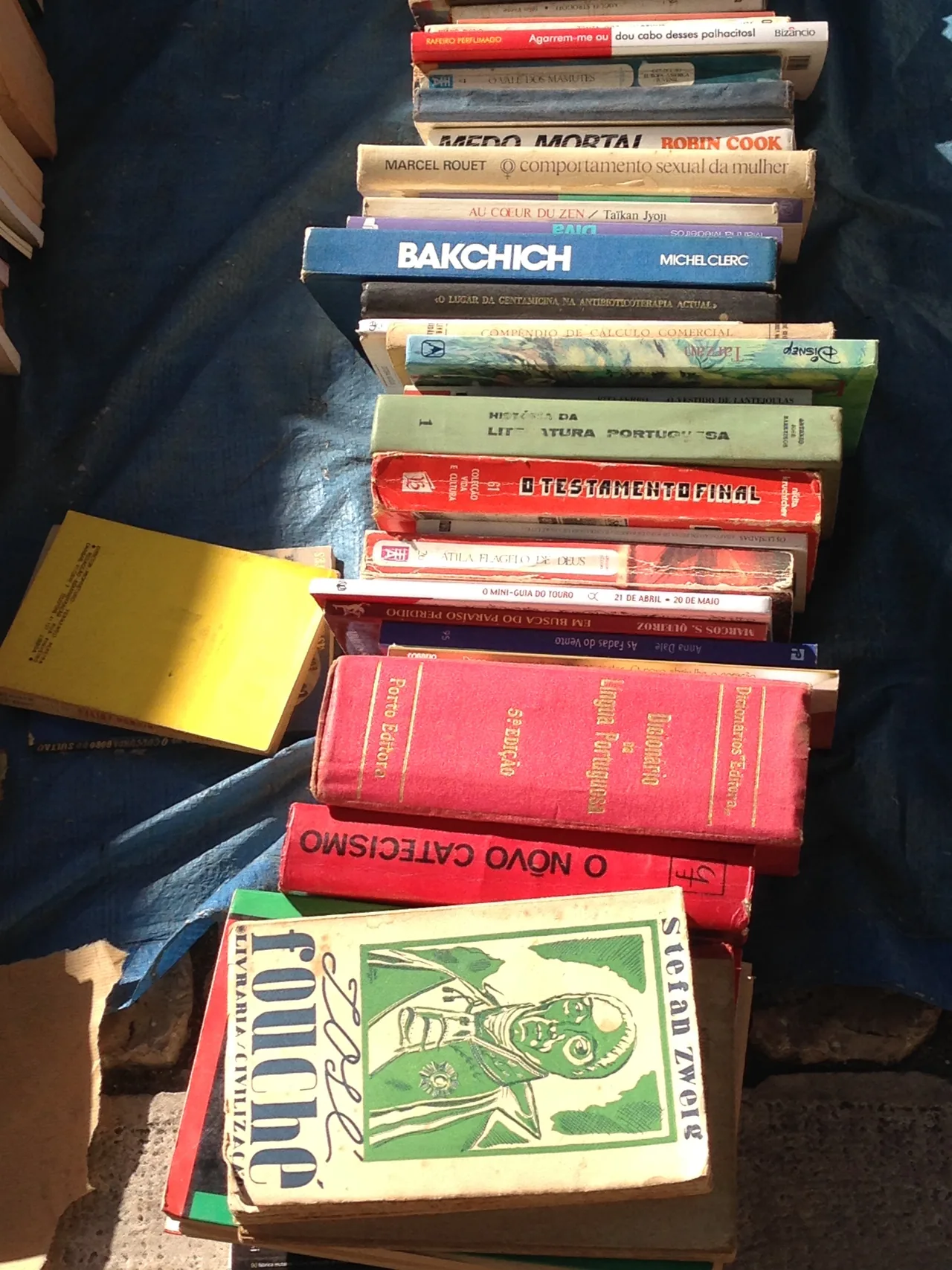
Look beyond the first obvious display. A box of books, a group of old photographs or a collection of household objects can be more interesting than the most conspicuous souvenir stall. The stock belongs to individual sellers and changes constantly. There is no fixed set of treasures to work through, which is precisely why some visitors return.
Ceramics, metal fittings and everyday domestic pieces can reveal more than a polished souvenir. Examine the condition, turn an object over with the seller’s permission and ask what they know about it. Buy something because you like it and understand what you are paying for, rather than because an unverified story makes it sound valuable.
These are good sections to browse slowly. Covers, illustrations and older editions can hold an interest even when the text is in Portuguese. If you collect a particular subject or format, allow enough time to look through the less orderly boxes. A quick walk along the middle of the street is unlikely to reveal much.
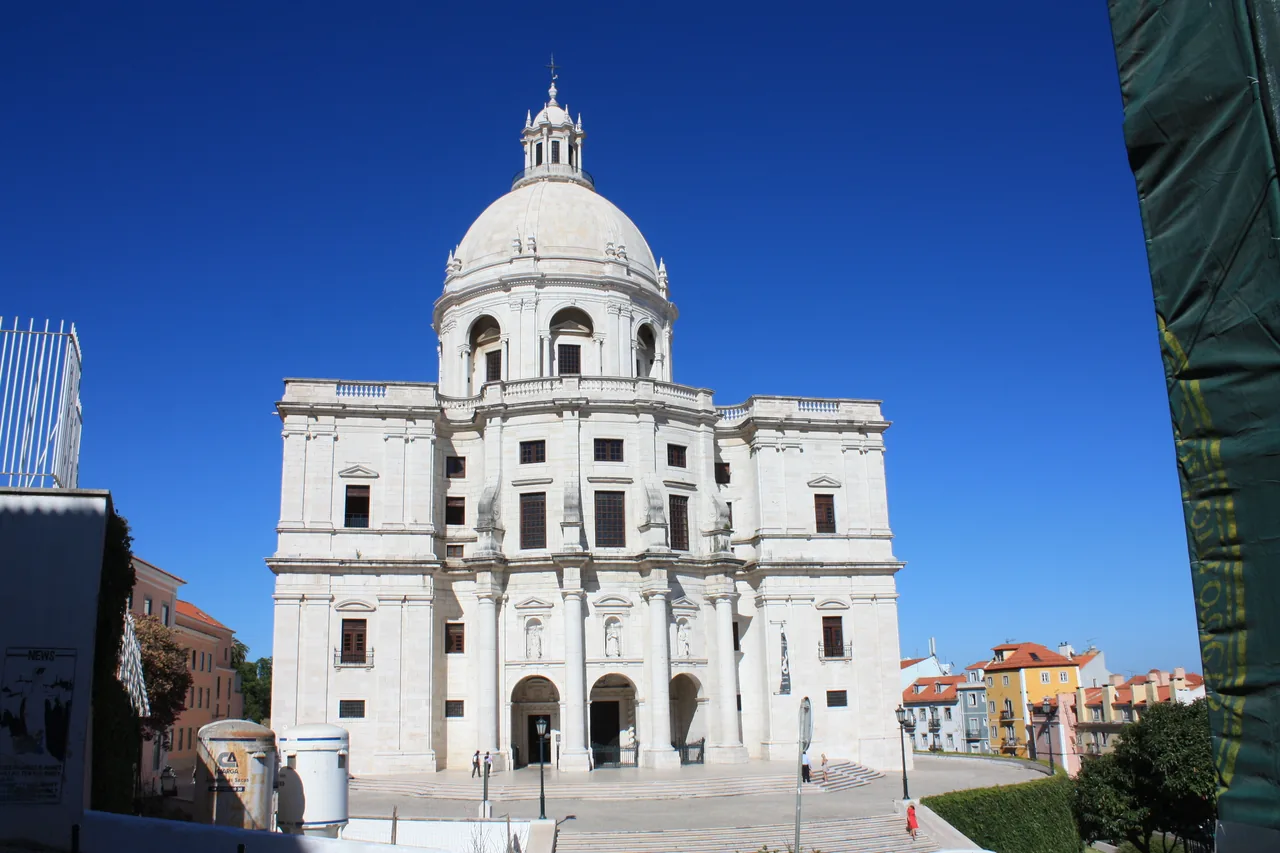
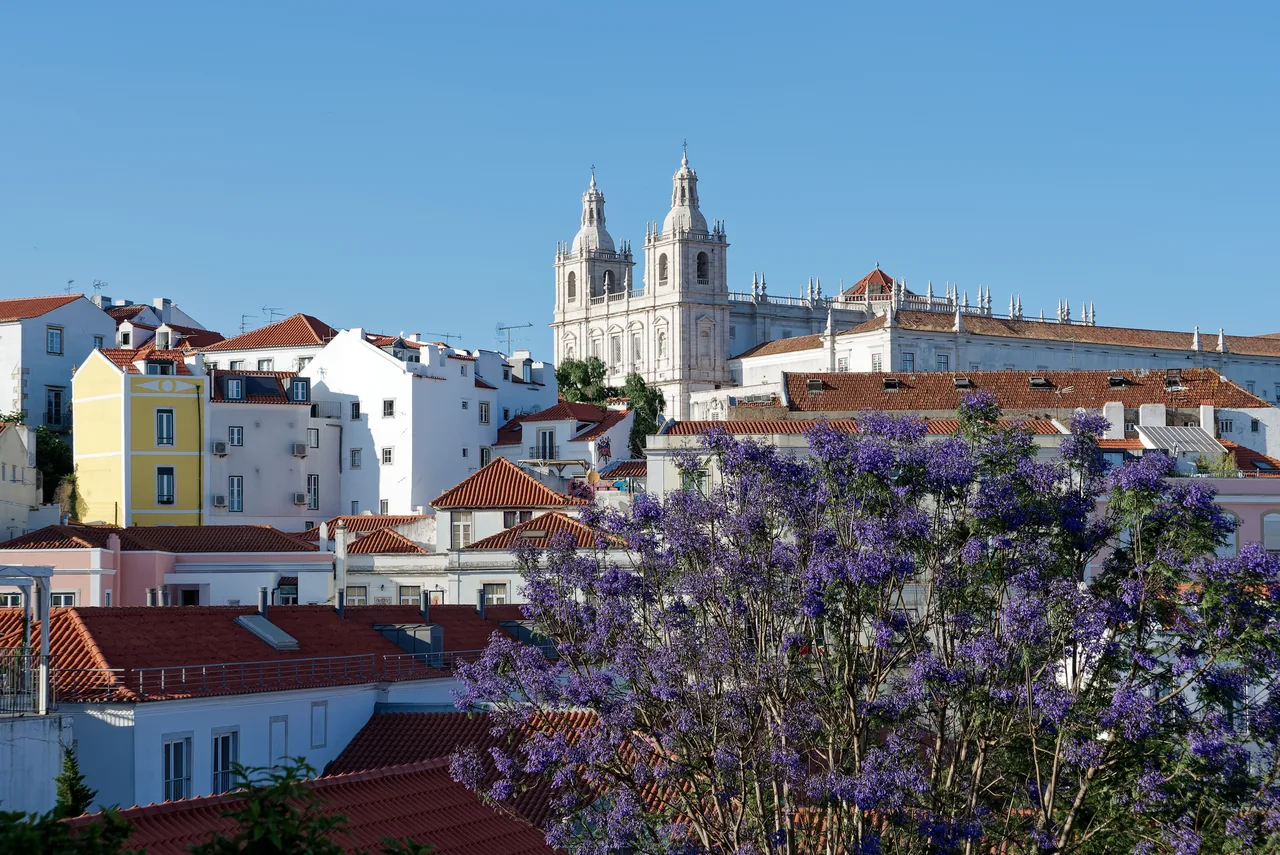
The National Pantheon’s dome and the buildings around São Vicente give the market a distinctive backdrop. Look up occasionally from the tables. Part of the pleasure is seeing ordinary buying and selling taking place in these streets, and then continuing your walk once you have had enough of browsing.
The visitor perspective
Enthusiastic visitors enjoy the rummaging as much as the purchases. The accounts we read describe the excitement of finding an unexpected object and the pleasure of talking to sellers. For people who already like flea markets, the untidy variety is a large part of the attraction.
Other visitors see too many tourist souvenirs, ordinary trinkets or ambitious prices. These are not contradictory experiences so much as different responses to the same mixture of stalls. Feira da Ladra is neither a curated antiques fair nor a guarantee of cheap finds.
Come with curiosity and a flexible budget, and make the market part of a walk around the neighbourhood. If you discover something you love, that is a bonus. If nothing appeals, the nearby monuments give the outing another focus without requiring you to force a purchase.
Visitor feedback reviewed:
The story
The market’s history reaches back to medieval Lisbon. It occupied several locations before settling at Campo de Santa Clara in 1882. That long movement through the city is a useful corrective to the idea that every old market has always belonged to the square where visitors find it today.
Its familiar Tuesday and Saturday pattern was established in the early twentieth century. The municipal market system makes room for both regular traders and occasional sellers. That helps explain the mixture of professional displays and more informal assortments of personal possessions.
The name is usually translated as Thieves’ Market, but the colourful label should not be treated as a reliable description of the goods. What has endured is a place for objects to change hands: used belongings, collectable pieces and less remarkable odds and ends, alongside the newer merchandise that attracts visitors today.
Planning your visit
For current opening hours and ticket details, visit the official website.
Official visitor information ↗The area
The market spreads around Campo de Santa Clara, between the National Pantheon and São Vicente de Fora. That makes it easy to combine browsing with either monument and the surrounding streets. The area has a different character away from market days, so plan the flea-market visit for a Tuesday or Saturday rather than assuming the stalls are permanent.
Alfama area guideWhat to see, how to get around and where to stay.This is a route through the city. The map marks a reference point to help you find your bearings.
 Open map
Questions about this place
Its regular market days are Tuesday and Saturday. The stalls are not a daily attraction, even though the surrounding streets and permanent shops remain part of the neighbourhood.
Some traders sell antiques and collectable objects, but the market is much broader. Expect second-hand household items, books, clothes, bric-a-brac and newer goods alongside them.
No. Browsing and watching the market are part of the appeal. It helps to enjoy the process of looking rather than arrive expecting to find a particular item.
Around 45–90 minutes works for a leisurely browse. A dedicated collector may spend much longer; someone with little interest in second-hand goods may be happy with a shorter circuit.
More of Lisbon
Visitar editorial team
Based on official visitor information, historical and collection records, and a sample of individual traveller reviews.
Visit times are estimates. The guide is based on published sources; it does not include an on-site inspection. Photographs come from credited sources and may show earlier displays or arrangements.
Content reviewed: · Visitar.com
Image resized for display; full source and licence linked.