The full museum experience
90–110 min
The core sequence lasts about 90 minutes. Allow a little more time at the venue for arrival and the transition into and out of the experience.
Immersive history museum · Belém
Quake - Museu do Terramoto de Lisboa
Step into a reconstruction of eighteenth-century Lisbon, experience the earthquake sequence and discover how the city was rebuilt. Quake puts the history behind the streets into an absorbing visitor experience.
At a glance
90–110 min
The core sequence lasts about 90 minutes. Allow a little more time at the venue for arrival and the transition into and out of the experience.
Photographs


What to see
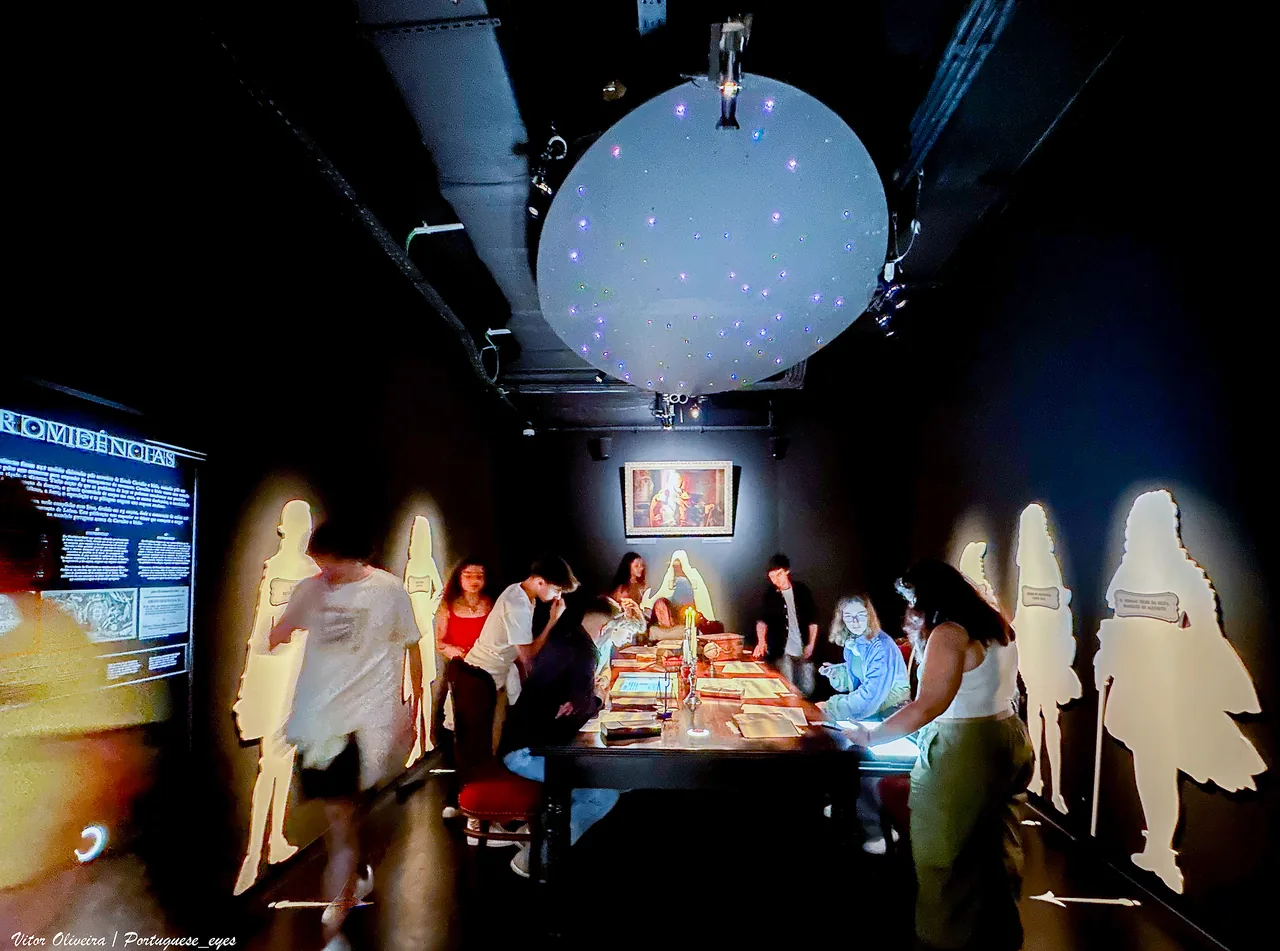
Quake is a modern museum in Belém devoted to the earthquake of 1755 and its aftermath. You move through a sequence of rooms combining recreated settings, projected images, sound and an earthquake simulator. The story begins with the city before the disaster and continues into the decisions that shaped its reconstruction.
Many places in Lisbon refer to the earthquake without explaining how profoundly it changed the city. Quake gives that history a clear narrative and a physical setting. Reconstructed streets make the old city easier to imagine; the later sections connect destruction with questions of science, government and rebuilding. The most useful result may come afterwards, when Baixa’s straight streets and regular façades begin to make more sense.
This suits visitors who enjoy history presented through sets and audiovisual storytelling. It can also engage children who find a conventional room of objects difficult to follow. The simulation is only part of the visit, so choose Quake for the whole story rather than expecting an extended thrill ride.
Look closer
The reconstructed street scenes introduce the setting before the earthquake. Look at the shops, objects and domestic details rather than waiting impatiently for the shaking to begin. These are modern interpretations, not surviving rooms from 1755, but they give the historical account a scale that a date on a museum label cannot provide.
Moving platforms, sound and projected imagery stage the earthquake within a recreated setting. Its purpose is to make the story physically immediate. Follow the sequence as a piece of interpretation: it does not reproduce every aspect of a real disaster, and the experience is much broader than this one section.
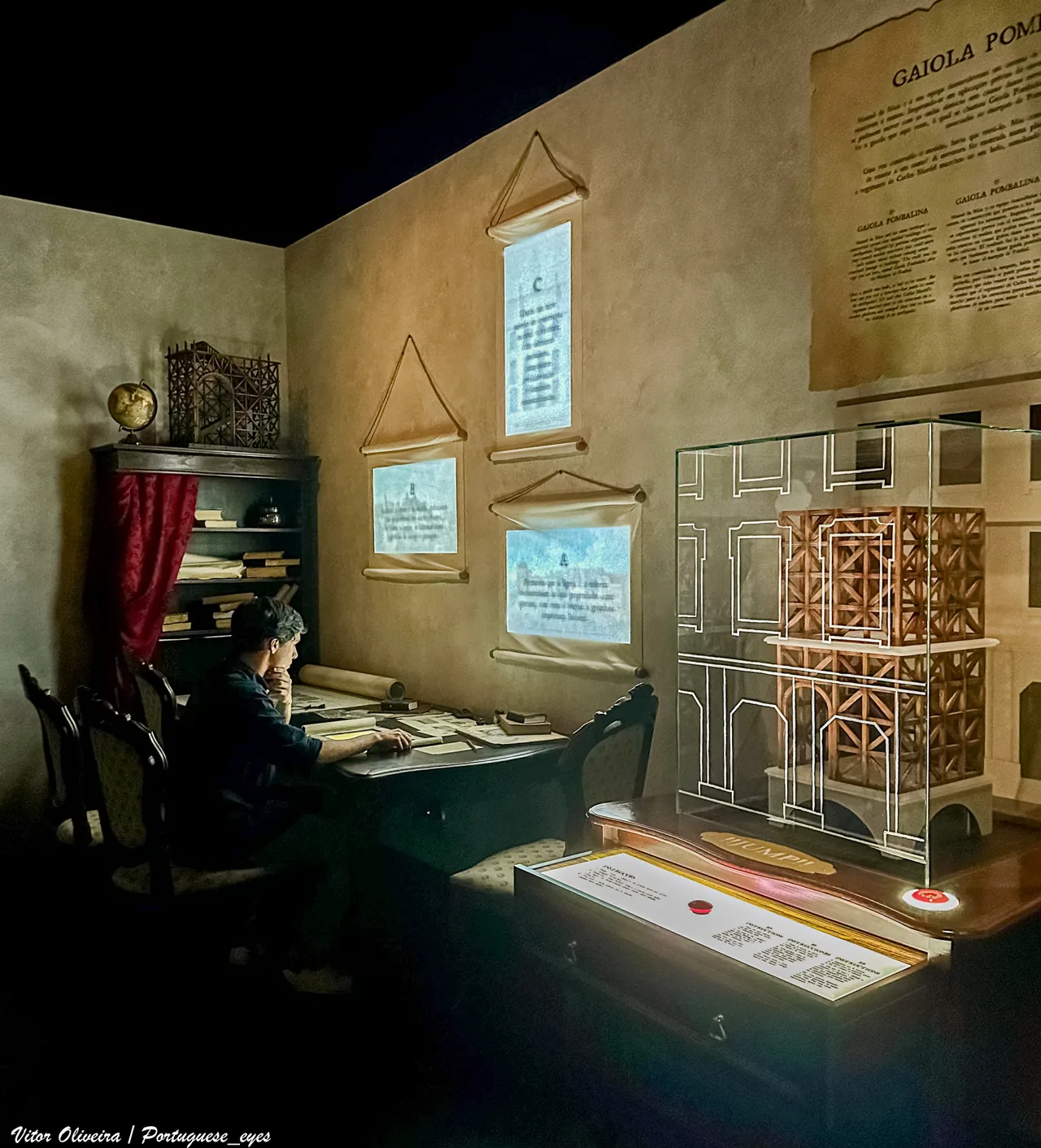
The reconstruction story explains why the lower city acquired wider streets and a regular plan. Look for the models and drawings associated with the timber-framed building system known as the gaiola pombalina. Its braced structure was intended to improve resistance to earthquake movement. The building technique and the new street plan belonged to the same larger ambition.
The museum also considers how earthquakes happen and how their effects are understood. After 1755, officials gathered observations from parishes across the country. That effort to compare evidence offers a different kind of drama from the simulator: people trying to understand something that had overturned their assumptions about the world.
The visitor perspective
Visitors who enjoy Quake tend to praise how it brings the earthquake and the rebuilding of Lisbon into focus. The sets and audiovisual presentation help make a complicated history approachable, including for some families. Several accounts describe seeing the city differently afterwards, which is a more lasting benefit than the few moments spent on the simulator.
Expectations make a noticeable difference. Some visitors hoped for a more dramatic ride, while others valued the historical explanation. A few found the presentation overly elaborate. The strongest reason to come is an interest in the subject combined with an appetite for theatrical storytelling.
There are also comments about the pace, with some people wishing for longer to absorb particular sections. Arrive ready to follow the narrative and listen as well as look. Treating every room mainly as a photograph opportunity risks losing the thread of the experience.
Visitor feedback reviewed:
The story
On 1 November 1755, a major earthquake struck Lisbon. The disaster was compounded by a tsunami and fires, leaving much of the lower city devastated. Its consequences extended beyond the destruction of buildings, provoking arguments about nature, religion and the responsibilities of government.
In 1756, Sebastião José de Carvalho e Melo, later the Marquês de Pombal, arranged an inquiry through the country’s parishes. Questions covered shaking, changes in water levels, damage and loss of life. The surviving responses are important because they record observations from many places rather than relying on a single dramatic account.
The rebuilding of Baixa introduced a regular street plan and new approaches to construction. Quake draws on historical and scientific research to interpret that story through a modern exhibition. The sets should therefore be understood as a way of explaining the past, with the surviving city outside providing the next chapter of the visit.
Planning your visit
For current opening hours and ticket details, visit the official website.
Official visitor information ↗The area
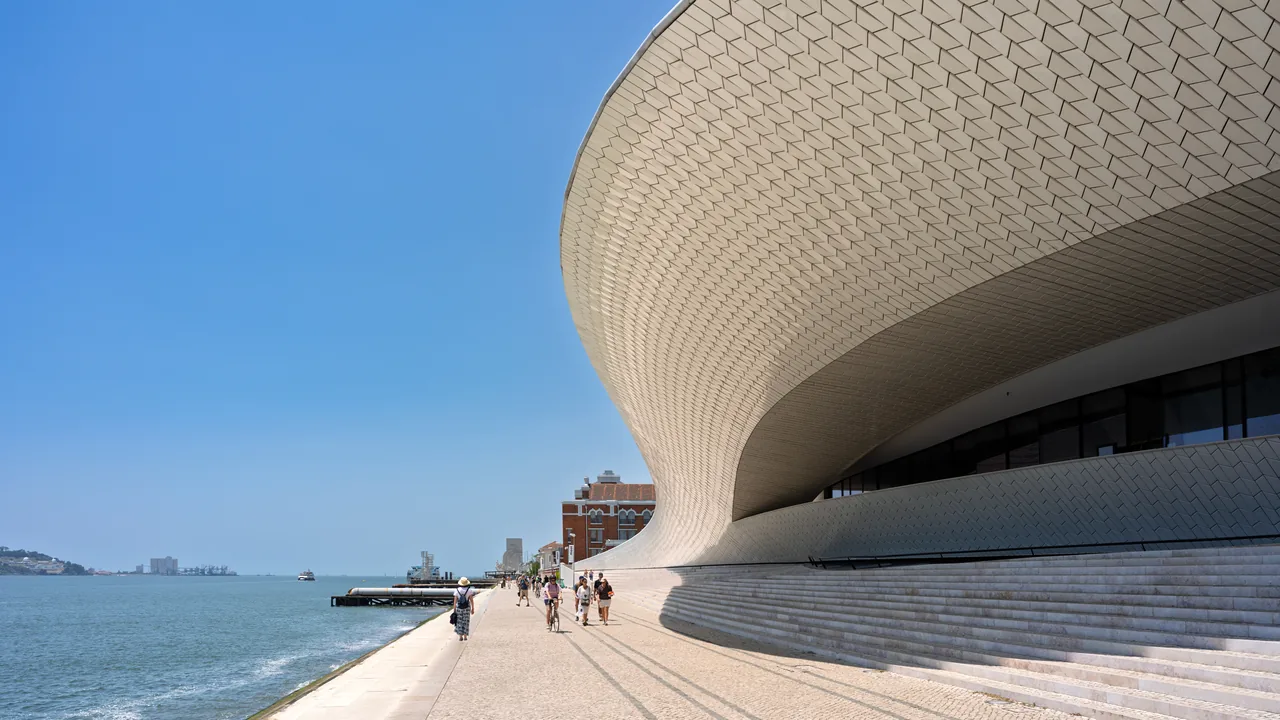
Quake is on Rua Cais da Alfândega Velha, near Belém station and the National Coach Museum. MAAT and the riverside lie nearby, making this a useful indoor part of a wider day in the area. The experience follows a scheduled sequence, so leave enough space between your arrival in Belém and the start of your visit.
 Open map
Questions about this place
It is a history and science experience told through a sequence of exhibition rooms. An earthquake simulator forms part of that sequence, alongside recreated streets, projections and the story of the city’s reconstruction.
The main experience follows a scheduled progression with a group. It is different from an ordinary museum where you can move freely between every gallery or remain in one room indefinitely.
The main sequence lasts approximately 90 minutes. Allow around 90–110 minutes at the venue, plus the arrival margin requested with your booking.
Age and participation rules differ for the simulator and younger visitors. Check the museum’s current guidance for the ages in your party before booking. Children who dislike loud sound, darkness or dramatic scenes may find the format less enjoyable even when they meet the entry rules.
No. They are modern reconstructions used to tell the story of eighteenth-century Lisbon. Quake interprets the historical event; it is not an excavated earthquake site.
More of Lisbon
Visitar editorial team
Based on official visitor information, historical and collection records, and a sample of individual traveller reviews.
Visit times are estimates. The guide is based on published sources; it does not include an on-site inspection. Photograph dates appear in the gallery captions.
Content reviewed: · Visitar.com
Image resized for display; full source and licence linked.