The furnished palace rooms
90–120 min
Time for the state apartments and private interiors, with a closer look at the furniture and decorative arts. The separate treasury is not included in this estimate.
Royal palace & decorative arts · Ajuda
Palácio Nacional da Ajuda
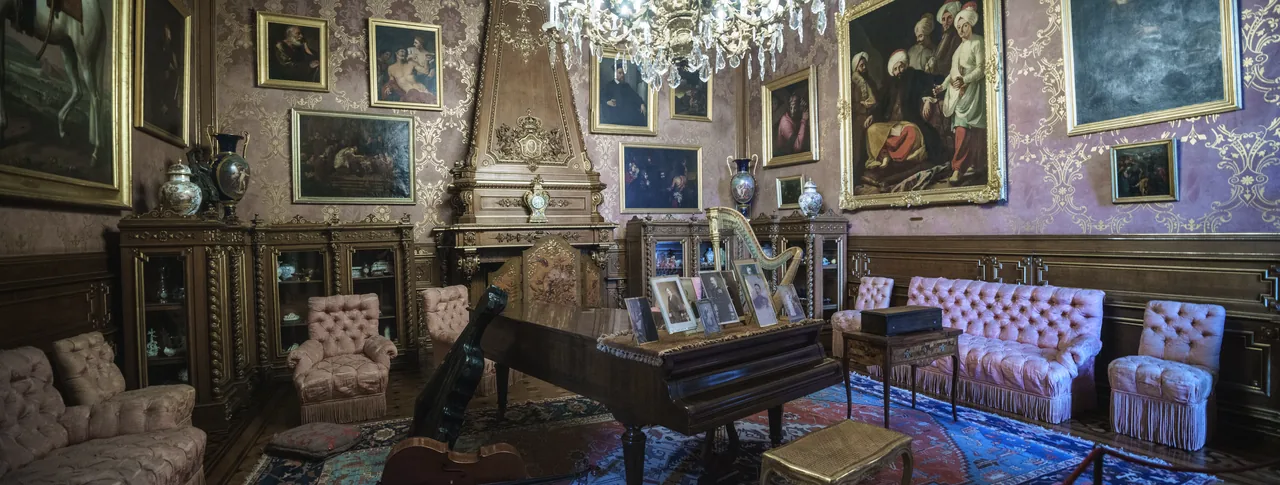
Chandeliers, richly furnished sitting rooms and a table laid for a royal banquet fill Ajuda Palace. The smaller domestic details are often as absorbing as the rooms designed to impress.
At a glance
90–120 min
Time for the state apartments and private interiors, with a closer look at the furniture and decorative arts. The separate treasury is not included in this estimate.
Photographs


What to see
Palácio Nacional da Ajuda stands on the hill above Belém. Inside its formal neoclassical exterior, the rooms preserve much of the atmosphere of a nineteenth-century royal household. This is a palace to explore through furniture, fabrics, paintings and the arrangements of daily life, with ceremonial grandeur never far away.
Ajuda has the obvious spectacle of thrones and chandeliers, but it also offers rooms crowded with the possessions of people who lived here. Move from a great reception space into a smaller furnished room and the scale changes completely. A writing table, a family portrait or an unusual chair can hold your attention longer than a ceiling full of gilding. That mixture of state occasion and private taste gives the visit its character.
The palace is particularly rewarding for anyone interested in interiors, decorative arts or royal history. It also suits visitors who enjoy looking closely at domestic objects without needing to follow every dynastic detail. Plan it as a deliberate outing uphill from Belém, rather than assuming it sits among the waterfront monuments.
Look closer
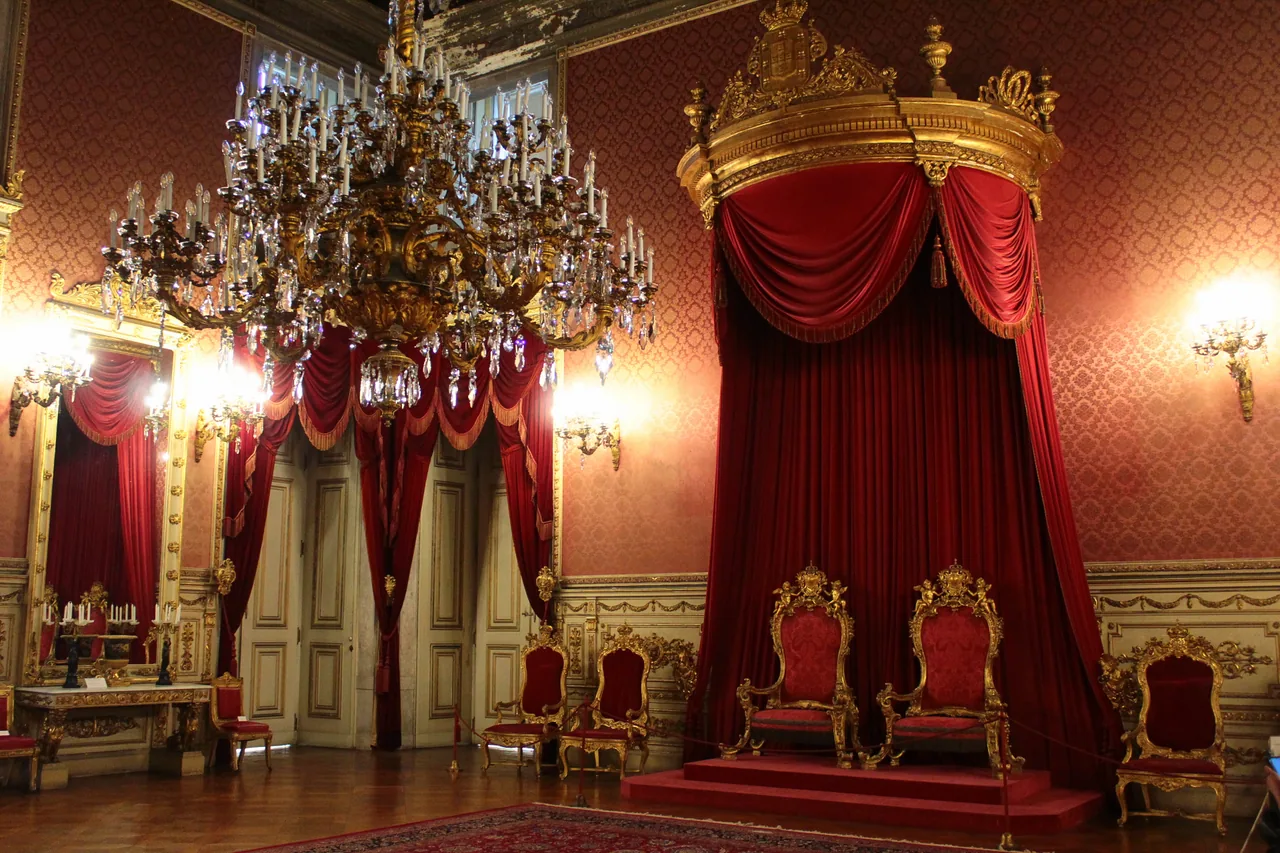
The paired thrones, heavy drapery and chandeliers create a room arranged around royal ceremony. Look at the space left in front of the seats as well as the seats themselves. The proportions, furniture and decoration were intended to shape the behaviour of everyone entering, making the distance between monarch and visitor quite explicit.
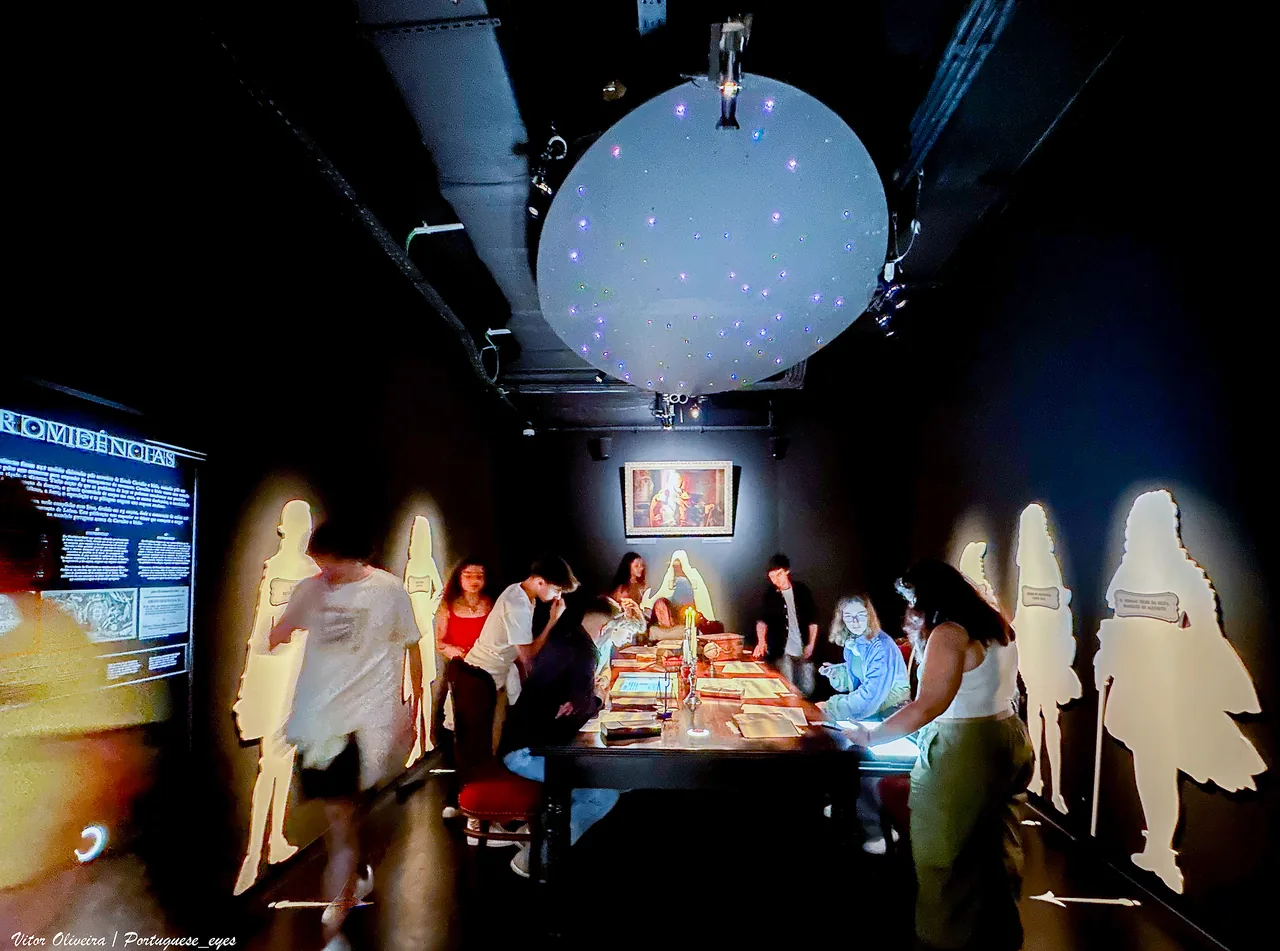
A long table transforms the dining room from a collection of objects into an imaginable occasion. Notice the repeated place settings, the chairs and the lighting overhead. Then look at the carved wood around the room. Some older pieces were incorporated into the nineteenth-century decoration, so the apparent unity of the interior conceals several histories.
The more intimate interiors show a different kind of luxury: upholstered furniture, pictures, ornaments and useful objects gathered closely together. Queen Maria Pia’s taste helped shape the palace as a lived-in home. Give these rooms time even if you have come mainly for the grand state apartments. Their density makes the inhabitants easier to imagine.
The palace’s material about the royal table draws attention to the service behind the ceremony. Washing, heating, storing and carrying were as necessary here as in any household, though on a very different scale. Copper and brass equipment and the arrangements around dining provide a useful counterpoint to all the polished surfaces in the reception rooms.
The visitor perspective
The furnished interiors are what visitors praise most strongly in the accounts we read. Grand rooms, chandeliers and elaborate tables make an impression, but several people also enjoy the smaller objects that suggest a royal home. For some, the sheer amount left to look at is the surprise.
That richness can feel dense, and a few accounts mention dim rooms or closed shutters. Others appreciate the quieter atmosphere they encountered compared with better-known monuments. It is best to arrive interested in the contents of the rooms, rather than expecting every interior to be brightly lit for photographs.
Make a proper allowance for getting uphill from Belém, and give the palace time once you arrive. If you also want to see the treasury, plan that separately. Trying to cover both as a brief detour is likely to leave the smaller rooms and their details underappreciated.
Visitor feedback reviewed:
The story
The neoclassical project took shape in the early nineteenth century under Francisco Xavier Fabri and José da Costa e Silva. It was interrupted when the royal court left for Brazil in 1807. The ambitious original scheme was reduced, leaving a palace whose building history was far less orderly than its formal façade suggests.
Luís I made Ajuda his residence in 1861. His marriage to Maria Pia of Savoy the following year brought a queen whose interest in decoration and collecting had a lasting effect on the interiors. The palace became both a setting for official occasions and a family home, with private rooms below and state apartments above.
The collections now encompass furniture, textiles, ceramics, paintings, photographs and lighting. Their interest lies partly in their relationships: objects can be seen within rooms rather than solely in isolated display cases. The dining spaces are especially rich evidence of the household’s habits, ambitions and the labour required to sustain them.
Planning your visit
For current opening hours and ticket details, visit the official website.
Official visitor information ↗The area
The palace faces Largo da Ajuda, inland and uphill from the riverfront. It belongs comfortably in a day around Belém, but reaching it takes a separate journey or an uphill walk. The Royal Treasure Museum occupies part of the same palace complex; follow the entrance information for the collection you have chosen to visit.
 Open map
Questions about this place
Yes. Its rooms contain extensive collections of furniture, textiles, paintings, ceramics and other objects associated with royal life. The interiors are the main reason to visit.
The palace became the residence of Luís I in 1861. He and Queen Maria Pia, whom he married in 1862, are particularly important to the appearance and character of the furnished rooms.
It is a separate museum within the palace complex. Check the particular visit you are arranging rather than assuming that access to one gives you access to the other.
Around 90 minutes to two hours gives you time to see the rooms without hurrying past their smaller details. Visitors with a strong interest in decorative arts may want longer.
More of Lisbon
Visitar editorial team
Based on official visitor information, historical and collection records, and a sample of individual traveller reviews.
Visit times are estimates. The guide is based on published sources; it does not include an on-site inspection. Photograph dates appear in the gallery captions.
Content reviewed: · Visitar.com
Image resized for display; full source and licence linked.