Waterfront & exterior
20–30 min
A walk along the waterfront, with time to look at the tower’s carved stonework and take photographs.
Historic monument · Belém
Torre de Belém
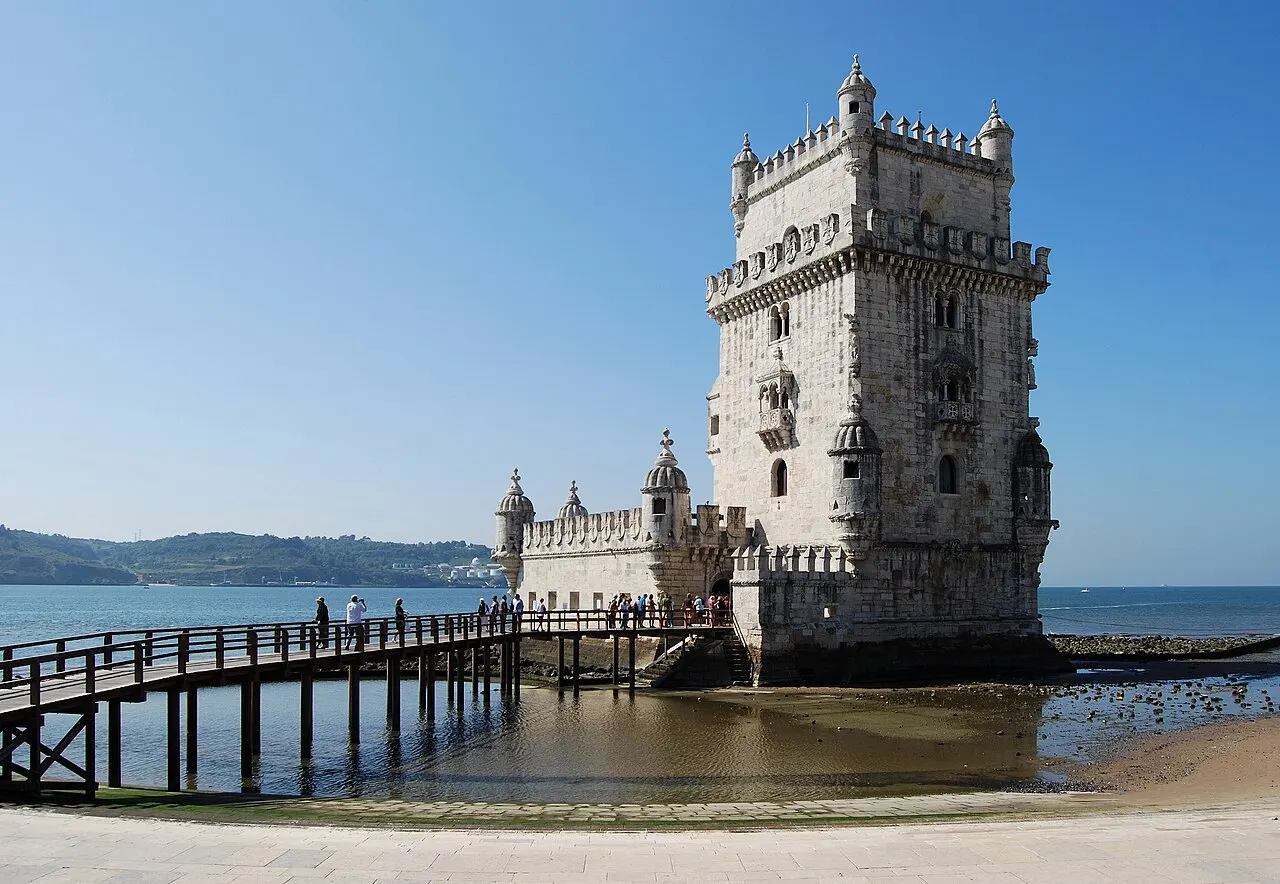
Carved balconies, domed turrets and a bastion built to house the cannons that defended Lisbon's harbour: Belém Tower is one of the finest sights along the Tagus waterfront.
At a glance
20–30 min
A walk along the waterfront, with time to look at the tower’s carved stonework and take photographs.
45–60 min
Time to explore the rooms and terraces once you are inside. Allow extra time for any queue at the entrance.
Photographs



What to see
Belém Tower stands beside the Tagus in western Lisbon. Its carved ropes, royal emblems and river-facing balconies make it unusually ornate for a fortress. Even if you stay outside, there is plenty to see from the waterfront.
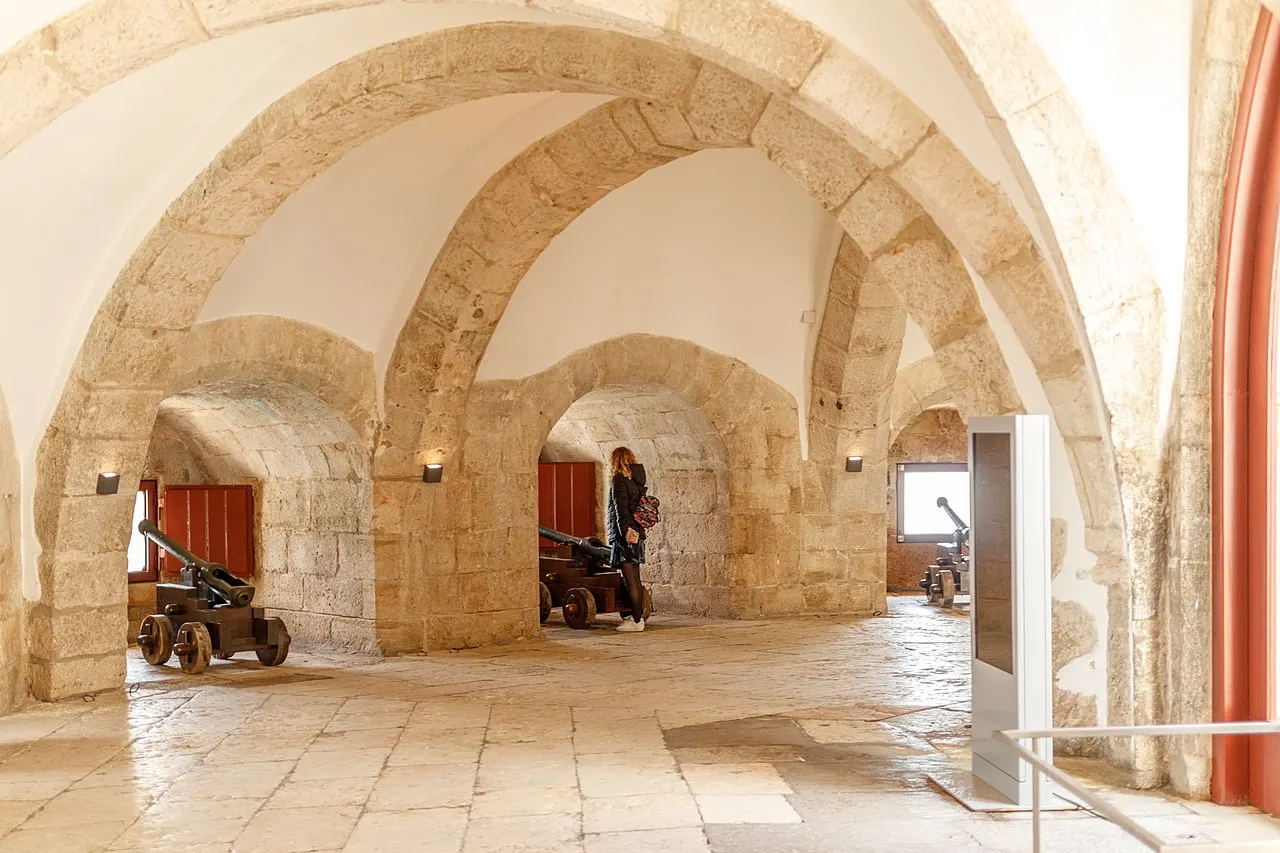
A walk around the tower reveals how much decoration went into this fortress. Stone ropes frame the windows, small domed turrets project over the water and a rhinoceros peers out from beneath one corner. Inside, the vaulted artillery chamber gives a better sense of the building's defensive purpose. The upper terraces offer views across the Tagus and Belém, though much of the finest carving is visible from outside.
Architecture and maritime history are the main reasons to visit. Photographers will also want time on the waterfront, where you can see the tower against the river and pick out the details of its façade.
Look closer
Look around the windows and balconies for stone ropes, knots, armillary spheres and crosses of the Order of Christ. These were familiar symbols during Manuel I's reign. Seen close up, the carving is unusually elaborate for a building intended to defend a harbour.
The small watch turrets are among the tower's most recognisable features. Their domed roofs sit above the battlements and artillery platform, softening the outline of the fortress. Walk around the outside to see how they project from the corners.
Beneath the north-west turret is a small carved rhinoceros head. It is easy to miss among the larger architectural details, so look for it while you are outside. This is one of the tower's more curious decorations.
Inside the bastion, the vaulted artillery chamber shows how the tower was used to defend the river. From here, the upper levels reveal how the narrow tower rises above the much broader platform below. The terraces look across the Tagus and the Belém waterfront.
The visitor perspective
The waterfront setting earns some of the warmest praise in the reviews we read. Visitors admire the carved stonework and the tower's position at the water's edge, often describing it as a highlight of a walk through Belém. Even people who are less enthusiastic about the interior enjoy seeing the fortress from outside and taking photographs beside the river.
Opinions about going inside are more mixed. Some visitors enjoy the historic rooms and views from the terraces; others find the spaces smaller than expected and feel there is less to see than the exterior suggests. The difference often comes down to how much you want to explore the building itself.
If you are interested in the tower's construction and defensive role, an interior visit adds something to the walk along the waterfront. If you chiefly want to admire the architecture and take a photograph, you can do much of that from outside. Either way, it is worth leaving time to see the tower from several points along the river.
Visitor feedback reviewed:
The story
Manuel I commissioned the tower in the early sixteenth century as part of the defences at the entrance to Lisbon's harbour. Its architect, Francisco de Arruda, joined a tall tower to a low artillery bastion. The cannon protected the river approach; the elaborate stonework advertised the wealth and authority of the king.
The tower originally stood further out from the riverbank. As the shoreline changed, the gap between the fortress and the land narrowed, leaving the building much closer to the waterfront you see today. UNESCO added Belém Tower and the nearby Jerónimos Monastery to its World Heritage List in 1983. Together, they are two of the best-known monuments from the reign of Manuel I.
Planning your visit
For current opening hours and ticket details, visit the official website.
Official visitor information ↗The area
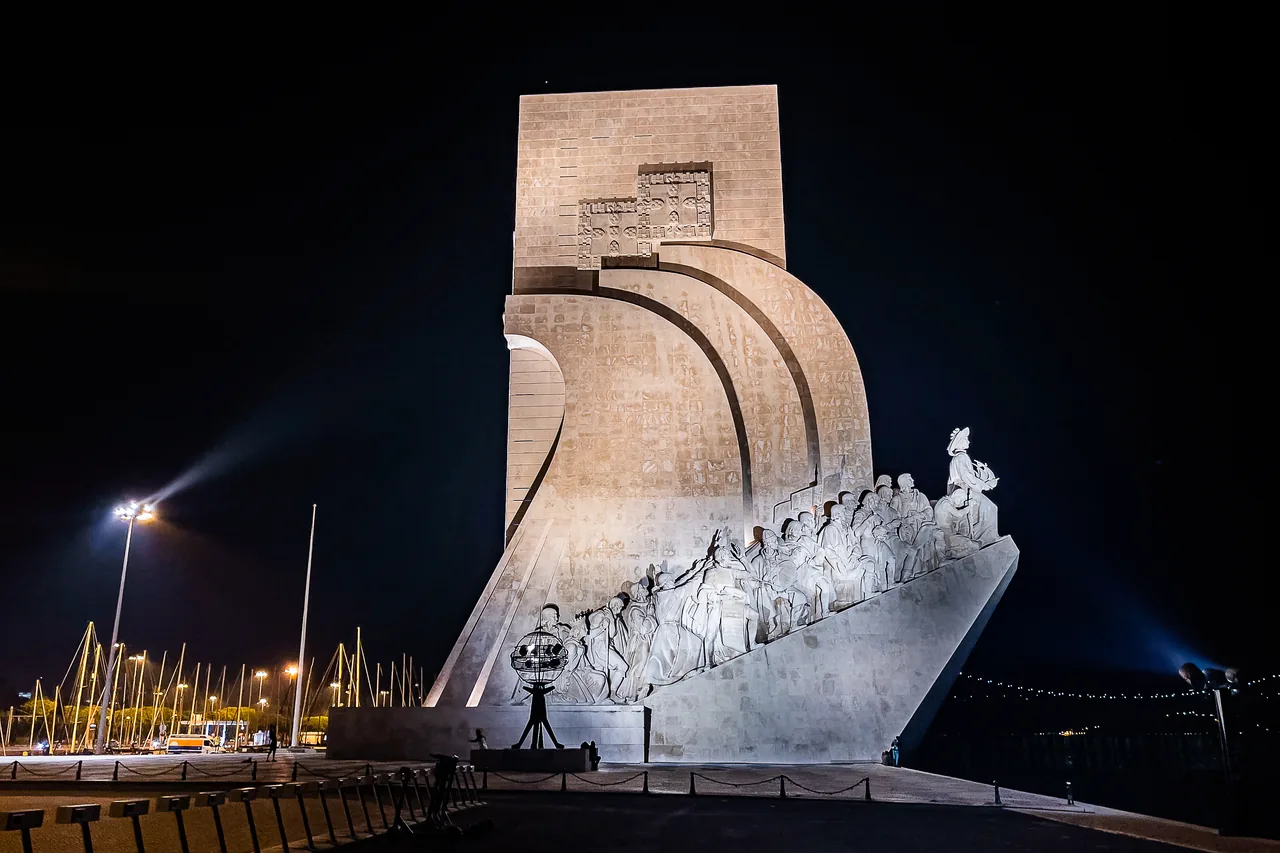
The tower stands on Belém's waterfront, west of Jerónimos Monastery. Follow the river east towards the Monument to the Discoveries, then turn inland for the monastery and the gardens of Praça do Império. You can visit all three on the same outing, with a walk along the river between them.
 Open map
Questions about this place
Allow about 20–30 minutes to see the exterior and take photographs, or 45–60 minutes to explore the interior. Add time for your journey and any queue at the entrance.
Yes. The surrounding waterfront gives you a good view of the tower, its carved exterior and the bastion beside the river. You need separate admission to explore the rooms and terraces inside.
The operator describes access for visitors with reduced mobility as limited to the ground-floor bastion. Narrow, steep stairs lead to the upper levels. Contact the tower before booking if you need to check a particular route or arrangements for a pushchair.
More of Lisbon
Visitar editorial team
Based on official visitor information, heritage records and a sample of traveller reviews.
Visit times are estimates. The guide is based on published sources; it does not include an on-site inspection. Photograph dates appear in the gallery captions.
Content reviewed: · Visitar.com
Image resized for display; full source and licence linked.